
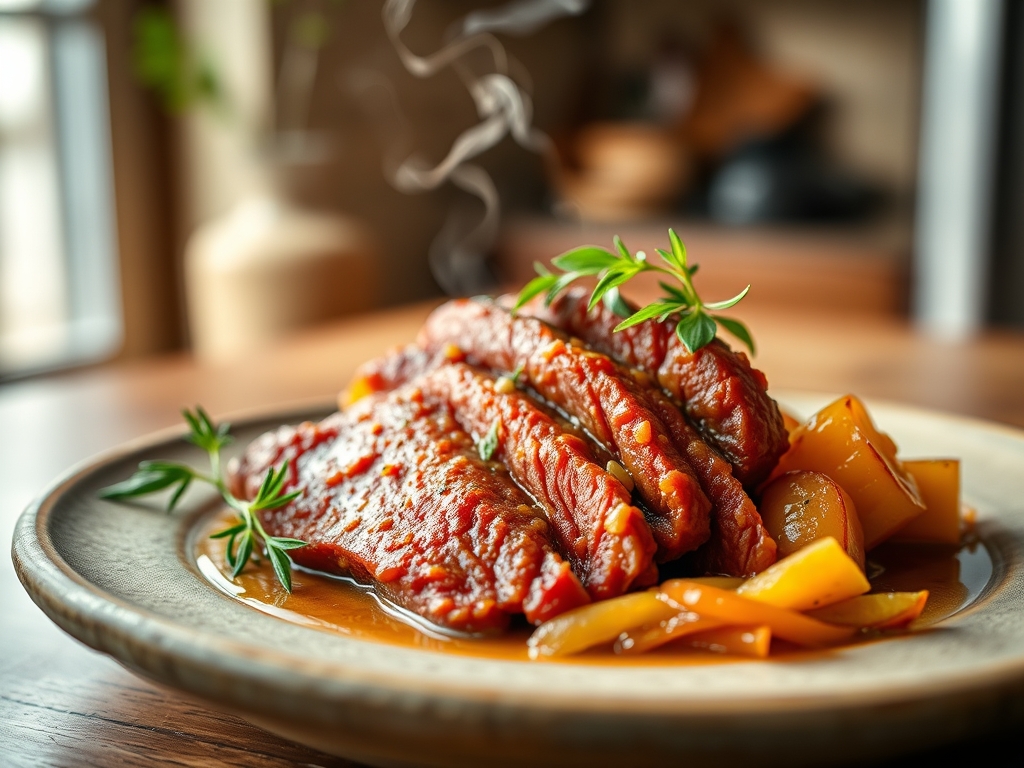
Imagine the scent of toasted coriander and warming cloves swirling through your kitchen; it is a fragrant promise of the tender, salt-cured brisket waiting inside your pressure cooker. When it comes to mastering corned beef recipes instant pot methods are the ultimate game changer for achieving that melt-in-your-mouth texture without the six-hour wait. We are moving beyond the grey, boiled dinners of the past to embrace a succulent, ruby-red masterpiece that balances salt, fat, and acid with scientific precision. By utilizing high-pressure steam, we can force moisture into the dense muscle fibers of the brisket, breaking down tough collagen into silky gelatin in a fraction of the time. This is not just a meal; it is a culinary transformation that turns a humble cut of meat into a centerpiece worthy of a celebration. Grab your favorite apron and let us dive into the molecular magic that makes this dish a perennial favorite for both busy weeknights and festive gatherings alike.
The Gathers:
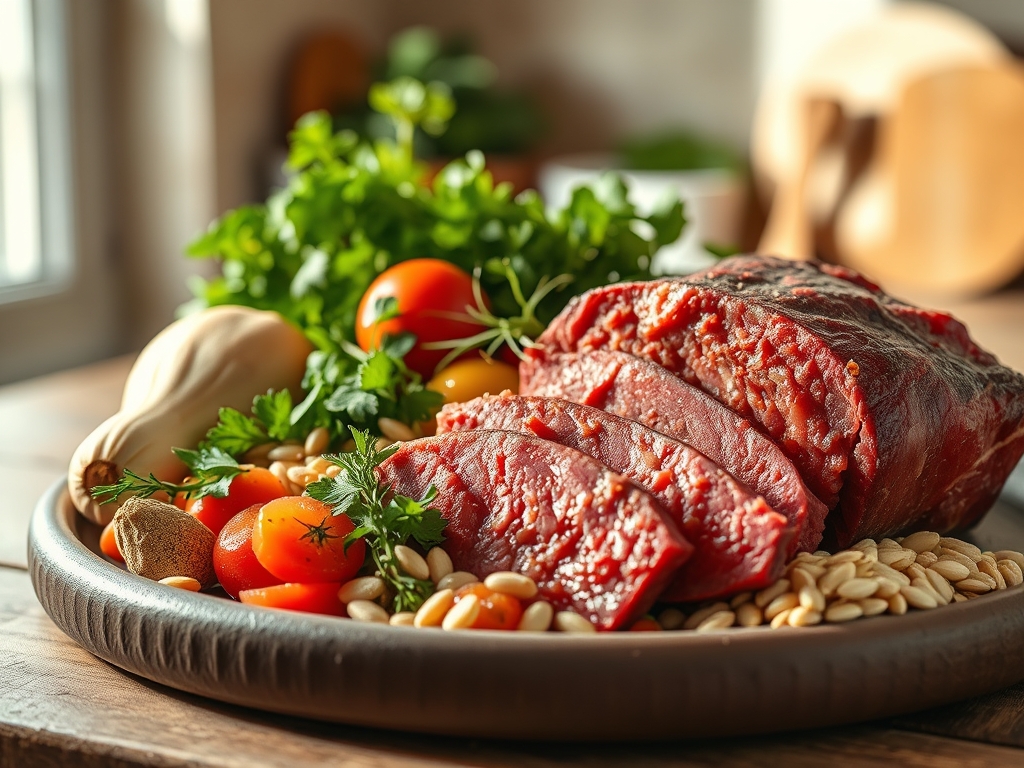
To begin, you need a high-quality brisket flat or point cut, usually weighing between three and four pounds. The flat is leaner and easier to slice with a bench scraper or sharp carving knife, while the point contains more intramuscular fat, which will render into a more luscious, flavorful bite. You will also need the signature spice packet, but we are elevating it. Gather whole black peppercorns, mustard seeds, coriander, and a few bay leaves. For the liquid base, skip the plain water and reach for a viscous stout or a dry hard cider to add a piquant depth to the braising liquid.
Your mise-en-place should also include aromatic root vegetables: carrots, yellow onions, and red potatoes. Use a microplane to zest a bit of fresh horseradish into your mustard sauce later for an extra kick. If you find yourself missing an ingredient, consider these Smart Substitutions. No stout? Use a low-sodium beef bone broth mixed with a tablespoon of molasses to mimic that dark, fermented complexity. If you are watching your sodium, you can leach some of the brine from the meat by soaking it in cold water for an hour before cooking. This ensures the final result is seasoned, not salty.
The Clock:
Efficiency is the soul of a great kitchen. The "Chef's Flow" for this recipe requires about 15 minutes of active prep time and 90 minutes of pressurized cooking. You must also account for the natural pressure release, which takes roughly 20 minutes. Total time from counter to table is approximately two hours. While the beef is under pressure, use that window to prep your cabbage and whisk together a stone-ground mustard aioli. This staggered workflow ensures that the vegetables remain vibrant and the meat has ample time to rest before the first slice.
The Masterclass:
1. The Sear and Deglaze
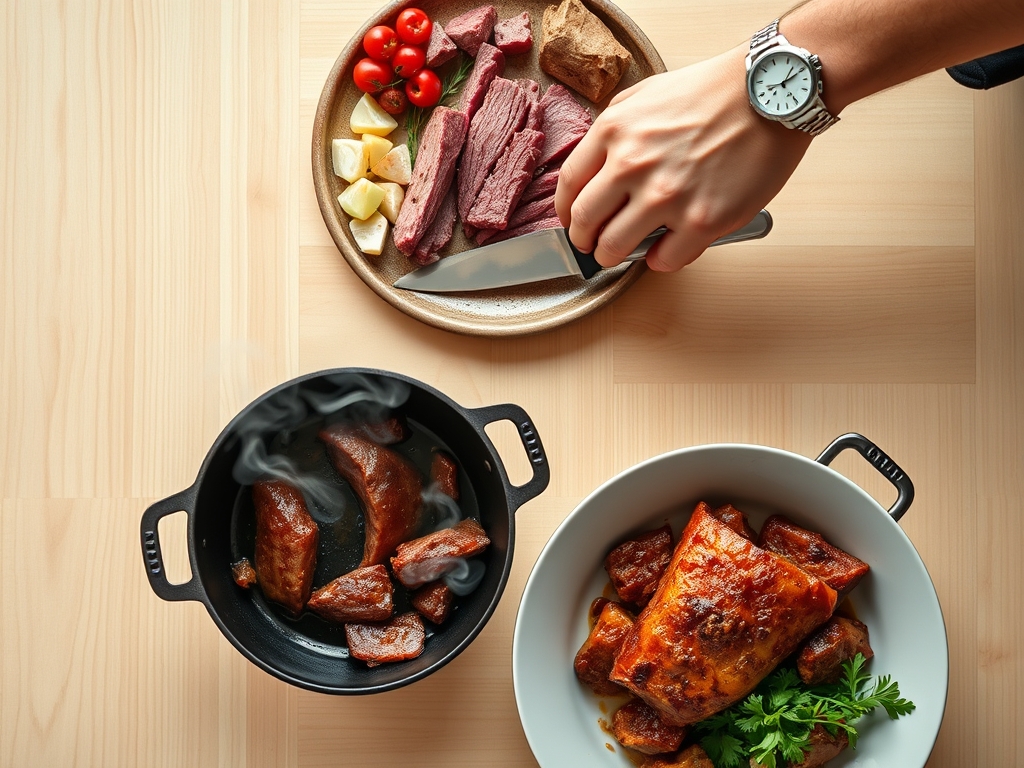
Start by hitting the saute function on your Instant Pot. Add a splash of high-smoke-point oil and sear the brisket for three minutes per side until a light crust forms. Remove the meat and use a splash of your stout to deglaze the bottom of the pot, scraping up the browned bits with a wooden spoon.
Pro Tip: This creates a Maillard reaction, a chemical reaction between amino acids and reducing sugars that gives browned food its distinctive, savory flavor profile.
2. The Infusion Phase
Place the trivet inside the pot and set the brisket on top, fat-side up. Pour in your liquid and sprinkle the spices directly onto the meat. Lock the lid and set the manual high pressure for 85 minutes.
Pro Tip: Placing the meat on a trivet prevents the bottom from overcooking via direct contact with the heating element, ensuring a more uniform thermal distribution throughout the muscle.
3. The Natural Release
Once the timer beeps, resist the urge to flick the quick-release valve. Let the pot sit undisturbed for at least 20 minutes to allow the pressure to drop naturally.
Pro Tip: A slow release prevents the muscle fibers from seizing up and squeezing out all their moisture; this is the secret to a juicy, non-stringy texture.
4. The Vegetable Bath
Remove the beef and tent it with foil on a warm platter. Add your potatoes, carrots, and cabbage wedges to the remaining liquid. High pressure for 4 minutes is all they need.
Pro Tip: Cooking the vegetables in the residual beef liquor allows them to infuse with the salt and spices, creating a cohesive flavor bridge across the entire plate.
5. The Slicing Technique
Use your tongs to steady the meat and a long carving knife to slice against the grain. Look for the direction the muscle fibers are running and cut perpendicular to them.
Pro Tip: Cutting against the grain shortens the protein fibers, making each bite significantly more tender and easier to chew.
The Deep Dive:
From a nutritional standpoint, corned beef is a powerhouse of protein and B vitamins, though it is notably high in sodium and saturated fats. A standard 4-ounce serving contains roughly 280 calories. For those with specific needs, Dietary Swaps are easy. For a Keto version, simply swap the potatoes for radishes or extra cabbage. For a Gluten-Free version, ensure your stout or broth is certified GF.
If you encounter "The Fix-It" scenarios, do not panic. If the meat is tough, it simply needs more time; return it to pressure for another 10 minutes. If the liquid is too salty, add a peeled, halved potato to the pot to absorb excess brine. If the cabbage is mushy, you likely overcooked it; next time, use the "zero-minute" trick where the residual heat of the liquid cooks the greens. For Meal Prep, store leftovers in the cooking liquid. When reheating, use a saucier over low heat to gently warm the meat without drying it out, maintaining that "day-one" quality.
The Wrap-Up:
Mastering corned beef recipes instant pot style is about more than just pressing a button; it is about understanding how heat and pressure interact with salt-cured proteins. By following these seven secrets, from the initial deglaze to the patience of a natural release, you are guaranteed a result that is tender, aromatic, and deeply satisfying. Whether you are serving it with a side of creamy horseradish or piling it high on rye bread the next day, this method ensures culinary excellence every single time. Now, go forth and conquer that brisket with confidence!
The Kitchen Table:
How do I keep my corned beef from being tough?
Ensure you allow for a full 20-minute natural pressure release. This prevents the muscle fibers from contracting too quickly and releasing their juices. Always slice against the grain to break up the long, tough protein strands before serving.
Can I cook the cabbage and meat at the same time?
It is not recommended. The meat requires 80 plus minutes, while cabbage only needs 4 minutes. Cooking them together will turn the vegetables into a grey, flavorless puree. Always cook the vegetables separately in the leftover liquid.
Is it necessary to rinse the brisket before cooking?
Yes, rinsing the meat under cold water removes excess surface brine and salt. This prevents the final dish from being over-salted and allows the nuances of your added spices and stout to shine through more clearly.
What is the best liquid to use for braising?
A dark stout or Guinness provides the best flavor profile, adding earthy, bitter notes that balance the salt. If you prefer a lighter taste, use a mix of beef bone broth and apple juice for a touch of sweetness.