
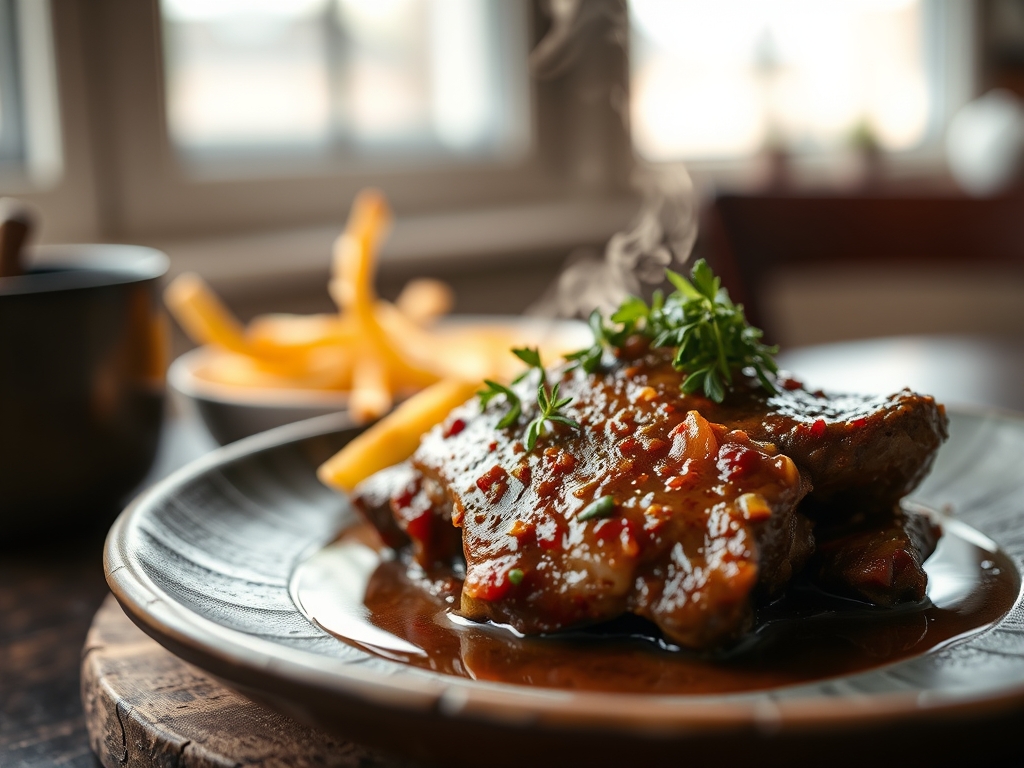
Imagine the scent of searing iron and toasted fat hitting a heavy bottomed skillet; it is the olfactory equivalent of a warm hug on a rainy Tuesday. Mastering cheap beef recipes is not about settling for less; it is about high level chemistry that transforms tough collagen into silk. We are turning the "scraps" into culinary gold today.
The secret to a budget friendly kitchen is understanding that price does not dictate flavor profile. When you choose a chuck roast or a package of ground beef, you are buying a canvas for the Maillard reaction. This chemical process occurs when amino acids and reducing sugars rearrange under heat; it creates that savory, umami crust we all crave. By the time we finish this list, you will be treating a five dollar pound of beef with the same reverence a Michelin chef gives a wagyu ribeye. We are focusing on ten distinct ways to stretch your dollar without sacrificing the luxurious mouthfeel of a high end meal. From slow simmered stews that rely on connective tissue breakdown to snappy stir fries that use baking soda to velvet the meat, these techniques are your new secret weapons. Let us get your apron on and your cast iron seasoned.
The Gathers:
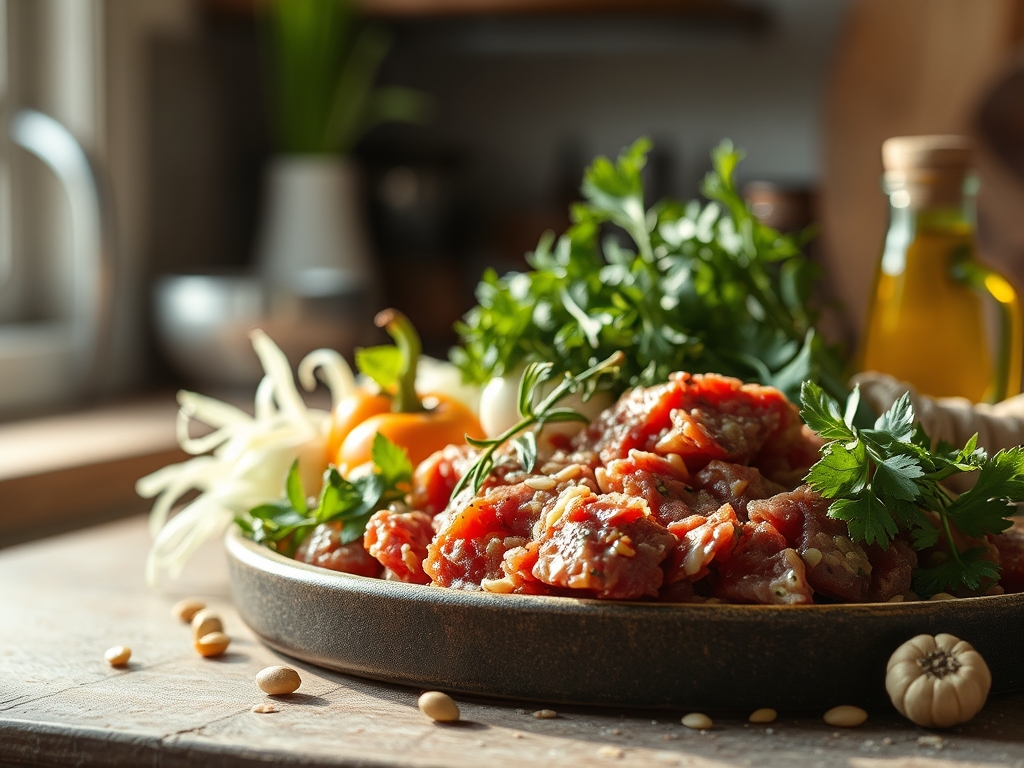
To execute these cheap beef recipes, your mise en place must be precise. Gather your aromatics first. We are looking for a classic mirepoix: onions, carrots, and celery. These provide the foundational sugars for caramelization. You will also need high smoke point fats like avocado oil or rendered tallow; do not use butter for the initial sear, as the milk solids will scorch at the temperatures required for a proper crust.
The Essential Tool Kit:
- Heavy Bottomed Skillet: Essential for even heat distribution and thermal mass.
- Digital Scale: Precision is key when balancing salt to protein ratios.
- Microplane: For finely grating garlic and ginger to maximize surface area for infusion.
- Bench Scraper: To move your chopped aromatics from the board to the pan without losing a single drop of juice.
Smart Substitutions:
If you cannot find flank steak for your stir fry, use a top round. It is leaner and tougher, but we will fix that with a velveting technique using cornstarch and egg whites. If beef stock is too expensive, use water infused with dried shiitake mushrooms and a splash of soy sauce. This creates a viscous, piquant liquid that mimics the depth of a long simmered bone broth at a fraction of the cost.
The Clock
Efficiency in the kitchen is about Chef's Flow. This is the art of overlapping tasks so that no minute is wasted. For our slow cooked recipes, your active prep time is roughly twenty minutes. This involves the "Hard Sear" and the "Aromatic Sweat." Once the liquid is added and the pot is covered, the thermal energy does the work for you over three to six hours.
For the quick fire recipes, like our beef tacos or Korean style ground beef bowls, the clock moves faster. You are looking at a ten minute prep and a ten minute cook. The key here is to have your saucier ready and your garnishes sliced before the meat ever touches the heat. In a professional kitchen, we call this "staying ahead of the tickets." If you are chopping while the beef is browning, you risk overcooking the protein, leading to a grainy texture rather than a juicy one.
The Masterclass
1. The Hard Sear and Deglaze
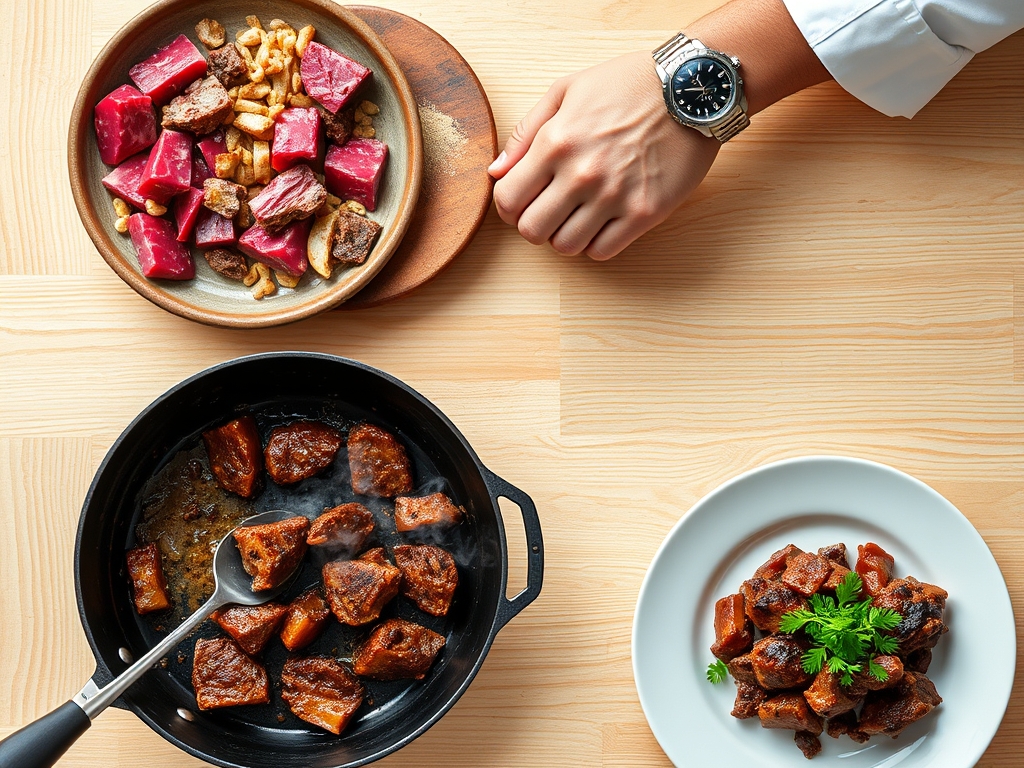
Start by patting your beef bone dry with paper towels. Moisture is the enemy of the Maillard reaction. Place your heavy skillet over medium high heat until the oil shimmers. Add the beef in a single layer, ensuring you do not crowd the pan. Once a deep brown crust forms, remove the meat and deglaze the pan with a splash of acidic liquid like red wine vinegar or stock.
Pro Tip: This is about Leaching. The brown bits (the fond) are concentrated flavor molecules. Deglazing pulls them back into your sauce, ensuring no flavor is left behind.
2. Sweating the Aromatics
Lower the heat and add your onions and carrots. You are not looking for color here; you want to translucently soften them. This releases the internal sugars and creates a flavor base that supports the heavy beef notes. Use your bench scraper to keep the vegetables moving.
Pro Tip: This is Enzymatic Browning prevention. By controlling the heat, you allow the vegetables to release moisture slowly, which prevents them from burning while the beef rests.
3. The Low and Slow Braise
Return the beef to the pot and submerge it halfway in liquid. Cover with a tight fitting lid. The goal is to keep the temperature between 180 and 200 degrees Fahrenheit. This is the "sweet spot" where collagen transforms into gelatin.
Pro Tip: This is Hydrolysis. The heat breaks down the tough triple helix of collagen fibers into soft, silky gelatin, which provides that rich, lip smacking mouthfeel.
4. The Emulsification Finish
Once the meat is tender, remove the lid and turn up the heat. You want to reduce the liquid until it coats the back of a spoon. Whisk in a cold knob of fat or a slurry of cornstarch to create a glossy finish.
Pro Tip: This creates a Stable Emulsion. By whisking in fat at the end, you suspend tiny droplets of oil within the water based sauce, creating a luxurious texture that clings to the beef.
The Deep Dive
Macro Nutrition:
Cheap beef cuts often have a higher fat content than premium steaks. This is actually a benefit for satiety. A standard 4 ounce serving of chuck provides roughly 25 grams of protein and 20 grams of fat. To balance this, pair your beef with high fiber complex carbohydrates like pearl barley or roasted root vegetables.
Dietary Swaps:
- Vegan: Replace the beef with "meaty" mushrooms like King Oyster or Portobello. Use liquid smoke to mimic the charred flavor.
- Keto: Skip the flour dredges. Use xanthan gum to thicken your sauces and serve over cauliflower rice.
- GF: Ensure your soy sauce is replaced with Tamari or coconut aminos to avoid hidden gluten.
The Fix-It:
- Tough Meat: If it is still chewy, you simply have not cooked it long enough. Put the lid back on and give it another forty minutes.
- Too Salty: Do not add water; it dilutes the flavor. Add a peeled potato to the pot for fifteen minutes to absorb excess salt, then discard the potato.
- Greasy Sauce: Use a bread slice to skim the surface, or drop in an ice cube. The fat will congeal around the cold cube, allowing you to scoop it out easily.
Meal Prep Science:
When reheating, do not use the microwave on high. This causes the protein fibers to tighten and become rubbery. Instead, reheat on the stove with a splash of water to create steam. This rehydrates the gelatin, returning the dish to its "day one" silky glory.
The Wrap-Up
You are now officially a wizard of the budget cut. By focusing on the science of the sear and the patience of the braise, you have turned affordable ingredients into a feast. Remember, the most expensive tool in your kitchen is your own technique. Keep your pans hot, your knives sharp, and your curiosity piqued. Go forth and cook something legendary!
The Kitchen Table
What is the best cheap beef cut for stew?
Chuck roast is the undisputed king. Its high collagen content breaks down into gelatin during the braising process; this creates a rich, thick sauce and fork tender meat that leaner, more expensive cuts simply cannot match.
How do I make cheap beef tender quickly?
Use the "velveting" technique. Toss thin slices of beef with a teaspoon of baking soda and let it sit for fifteen minutes before rinsing. This raises the pH level on the meat's surface, preventing the proteins from bonding tightly when heated.
Can I overcook beef in a slow cooker?
Yes. While it is hard to do, eventually the muscle fibers will lose all their internal moisture and become "mushy" yet dry. Aim for the point where the meat pulls apart easily with two forks, then stop the heat immediately.
Why is my browned beef turning grey?
You are likely crowding the pan. When too much meat is added at once, the temperature drops and moisture is released. This causes the beef to steam in its own juices rather than searing. Cook in small, separate batches instead.