
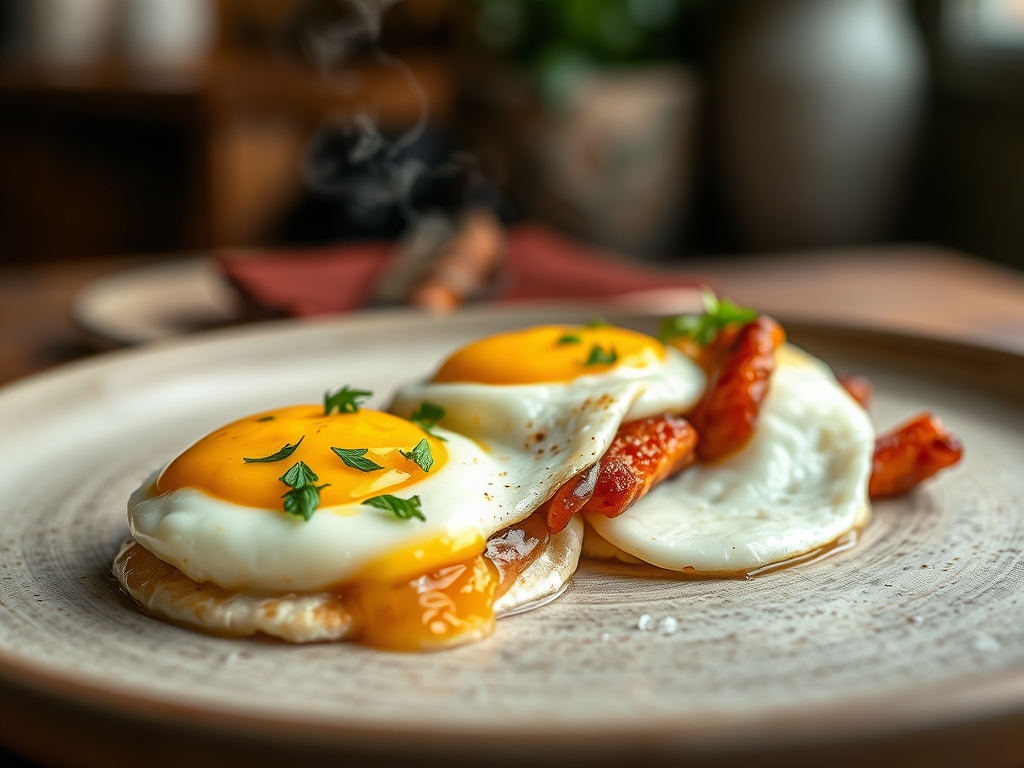
Imagine the scent of rendered fat meeting a searing hot surface; it is the olfactory equivalent of a warm hug. When you prioritize egg and beef recipes for your morning fuel, you are not just eating; you are engineering a day of sustained cognitive clarity and metabolic fire. These two powerhouses represent the gold standard of bioavailable protein and essential lipids.
The magic happens when the iron-rich depth of grass-fed beef meets the creamy, golden richness of a perfectly poached yolk. It is a culinary marriage that balances the savory, umami notes of the meat with the delicate, sulfurous sweetness of the egg. We are moving beyond the basic scramble. We are talking about silken textures, crispy edges, and the kind of satiety that keeps you humming until dinner. Whether you are prepping for a heavy lifting session or a marathon of meetings, these recipes provide the precise amino acid profile your body craves. Let us dive into the chemistry of the perfect breakfast.
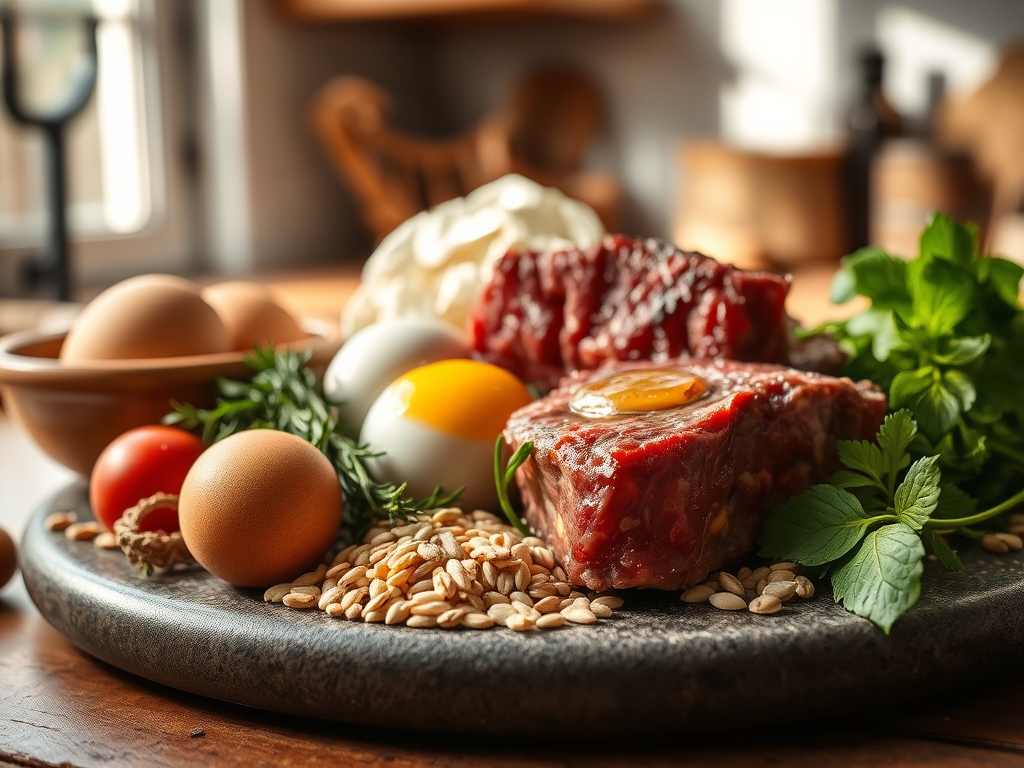
The Gathers:
To execute these egg and beef recipes with professional precision, your mise-en-place must be flawless. Start with your protein source. For the beef, look for lean ground sirloin or thinly shaved ribeye; the intramuscular fat provides the necessary lubrication for the pan. Your eggs should be pasture-raised to ensure a high lecithin content, which creates a more stable emulsion in sauces and scrambles.
You will need a heavy-bottomed skillet (cast iron is preferred for its thermal mass) and a microplane for grating aromatics like garlic and ginger. Do not forget the "Brights": fresh cilantro, scallions, and a piquant squeeze of lime to cut through the richness.
Smart Substitutions:
If you are avoiding red meat, ground bison offers a similar iron profile with less saturated fat. For a plant-based twist on the beef texture, use crumbled tempeh seasoned with liquid smoke and soy sauce to mimic the savory depth. If you are out of fresh eggs, a silken tofu scramble seasoned with black salt (kala namak) provides that signature sulfurous aroma and viscous mouthfeel.
The Clock
Efficiency in the kitchen is about the Chef's Flow. This is the art of overlapping tasks so that no heat is wasted. For these egg and beef recipes, the total active time is approximately 15 minutes, with a 10-minute prep window.
Start by tempering your beef; let it sit at room temperature for 10 minutes. This prevents the pan temperature from dropping, which would cause the meat to steam rather than sear. While the beef renders, use your bench scraper to organize your chopped aromatics. The "Flow" dictates that you cook the beef first to utilize the rendered tallow as the cooking medium for your eggs. This infuses the eggs with a deep, savory flavor profile that butter alone cannot achieve.
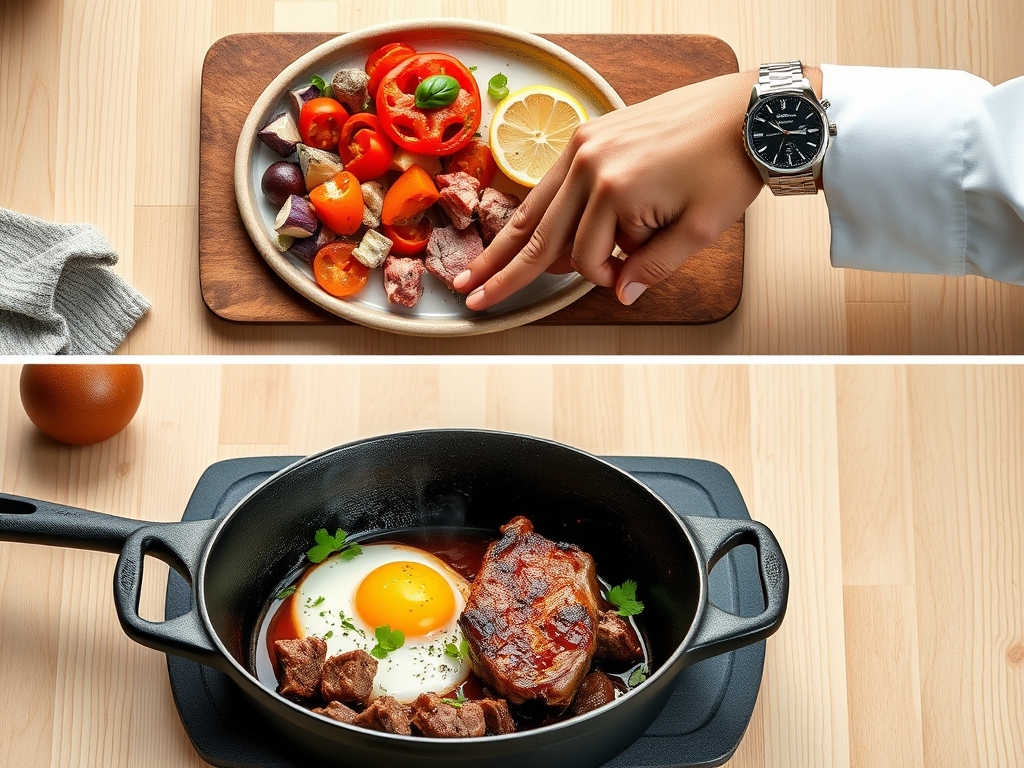
The Masterclass
1. Sear the Foundation
Place your beef in a preheated heavy-bottomed skillet. Use tongs to spread the meat into a single layer. Do not move it for at least three minutes. This allows the Maillard reaction to occur, creating a complex crust of rearranged amino acids and sugars.
Pro Tip: This enzymatic browning only happens above 285 degrees Fahrenheit. If you crowd the pan, the moisture release will drop the temperature, and you will lose that crucial flavor depth.
2. Deglaze and Infuse
Once the beef is browned, move it to the perimeter of the pan. Add your aromatics (garlic, shallots) to the center. Use a splash of beef bone broth or dry sherry to deglaze the pan, scraping up the "fond" (the brown bits stuck to the bottom) with a wooden spoon.
Pro Tip: Deglazing captures the concentrated flavor molecules trapped in the pan. This liquid then reduces, coating the beef in a glossy, savory glaze.
3. Temper the Eggs
Crack your eggs into a small bowl and whisk gently with a fork to aerate them slightly. Do not over-whisk; you want to maintain some structural integrity between the whites and the yolks for a variegated texture.
Pro Tip: Adding a pinch of salt now allows the salt to break down the protein strands (denaturation), resulting in a more tender, less rubbery curd once heat is applied.
4. The Gentle Fold
Lower the heat to medium-low. Pour the eggs over the beef. Use a silicone spatula to gently pull the eggs from the edges toward the center. This creates large, silken folds rather than tiny, dry crumbs.
Pro Tip: Remove the pan from the heat when the eggs look slightly "wet." Thermal carryover means the eggs will continue to cook for 60 seconds after leaving the burner, reaching the perfect custardy consistency on the plate.
5. The Acid Finish
Just before serving, use your microplane to zest a lemon over the dish and add a handful of fresh herbs. The acidity brightens the heavy fats and balances the palate.
Pro Tip: Volatile oils in citrus zest are highly sensitive to heat. Adding them at the very end ensures the aroma hits the nose before the first bite.
The Deep Dive
When we look at the macro nutrition of these egg and beef recipes, we are seeing a powerhouse profile. A single serving typically yields 35g of protein, 22g of healthy fats, and near-zero carbohydrates. This makes it a cornerstone for Keto and Paleo lifestyles. For those following a Gluten-Free protocol, ensure your seasonings (like tamari instead of soy sauce) are certified.
The Fix-It:
- Rubbery Eggs: You overcooked them. Fix: Whisk in a teaspoon of heavy cream or Greek yogurt before cooking to buffer the proteins.
- Greasy Beef: You didn't drain the fat. Fix: Tilt the pan and use a spoon to remove excess tallow before adding eggs, leaving just enough to coat the surface.
- Bland Flavor: You didn't season in layers. Fix: Salt the beef during the sear and the eggs during the whisking phase.
Meal Prep Science:
To reheat without losing quality, avoid the microwave. Use a saucier over low heat with a tablespoon of water or broth. Cover with a lid to create a steam chamber. This rehydrates the proteins without toughening them through electromagnetic agitation.
The Wrap-Up
Mastering egg and beef recipes is your ticket to a high-performance morning. By understanding the chemistry of the sear and the delicacy of the egg curd, you transform basic ingredients into a gourmet experience. This is not just breakfast; it is fuel for your finest self. Now, grab that skillet and start rendering!
The Kitchen Table
Can I use frozen ground beef for these recipes?
Yes, but you must thaw it completely in the refrigerator first. Excess moisture from ice crystals will prevent the Maillard reaction, resulting in gray, boiled meat rather than a savory, browned crust. Pat the meat dry before searing.
What is the best way to keep the eggs fluffy?
Cook them over low heat and remove them while they still appear slightly underdone. The residual heat in the beef will finish cooking the eggs to a perfect, creamy texture without making them rubbery or dry.
How long can I store cooked beef and eggs?
Store in an airtight container for up to three days. For the best texture, reheat gently on the stovetop with a splash of liquid to prevent the proteins from becoming tough and dehydrated in the microwave.
Is grass-fed beef really better for breakfast?
Grass-fed beef typically contains higher levels of Omega-3 fatty acids and CLA. These healthy fats pair perfectly with the choline found in egg yolks to support cognitive function and long-term heart health throughout your busy day.