
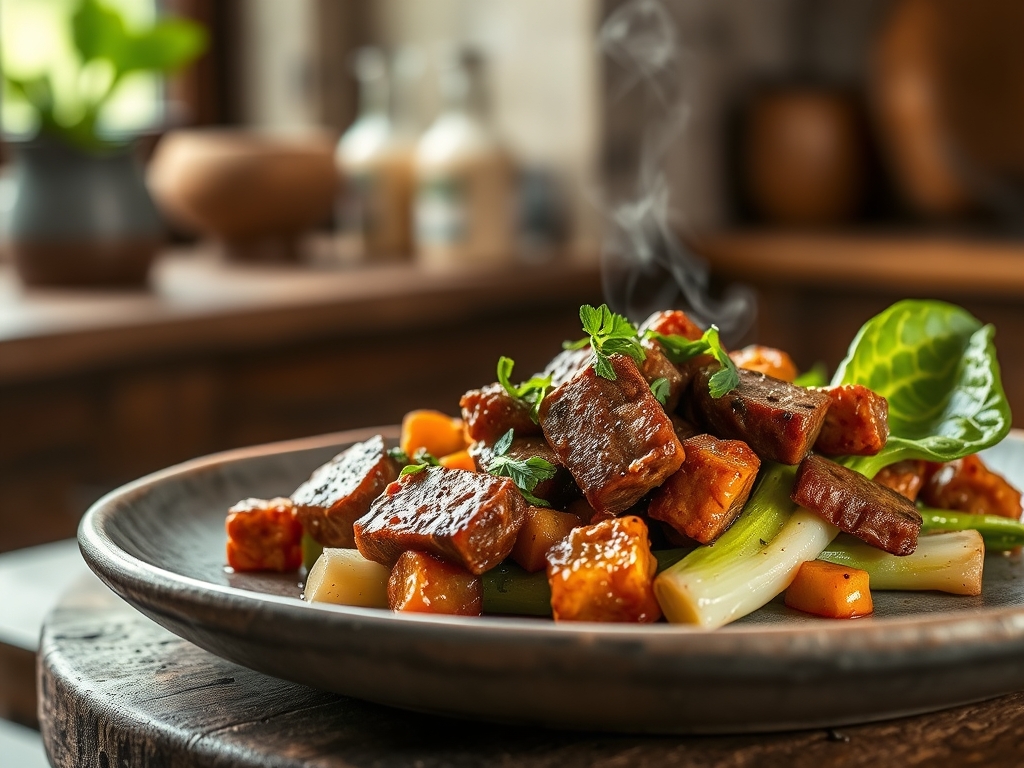
Imagine the hiss of a heavy-bottomed skillet meeting cold, marbled protein. It is the sound of a perfect Tuesday night. When you are craving something that balances the deep, savory weight of a ribeye with the crisp, mineral snap of greens, nothing hits quite like these bok choy beef recipes. We are talking about a literal collision of worlds; the iron-rich intensity of the beef acts as a foil to the watery, peppery sweetness of the brassica. It is a dish that feels like a hug but tastes like a five-star kitchen.
The secret to mastering this pairing lies in the contrast of textures. You want that beef to have a crust so dark it borders on mahogany, while the bok choy stalks remain vibrant and structural. Most people overcook the greens into a swampy mess, but we are going to treat them with the respect they deserve. By understanding the cellular structure of the vegetable and the Maillard reaction in the meat, you can turn a simple stir fry into a masterclass in balance. Grab your apron; we are about to make your kitchen smell like the best street market in Shanghai.
The Gathers:
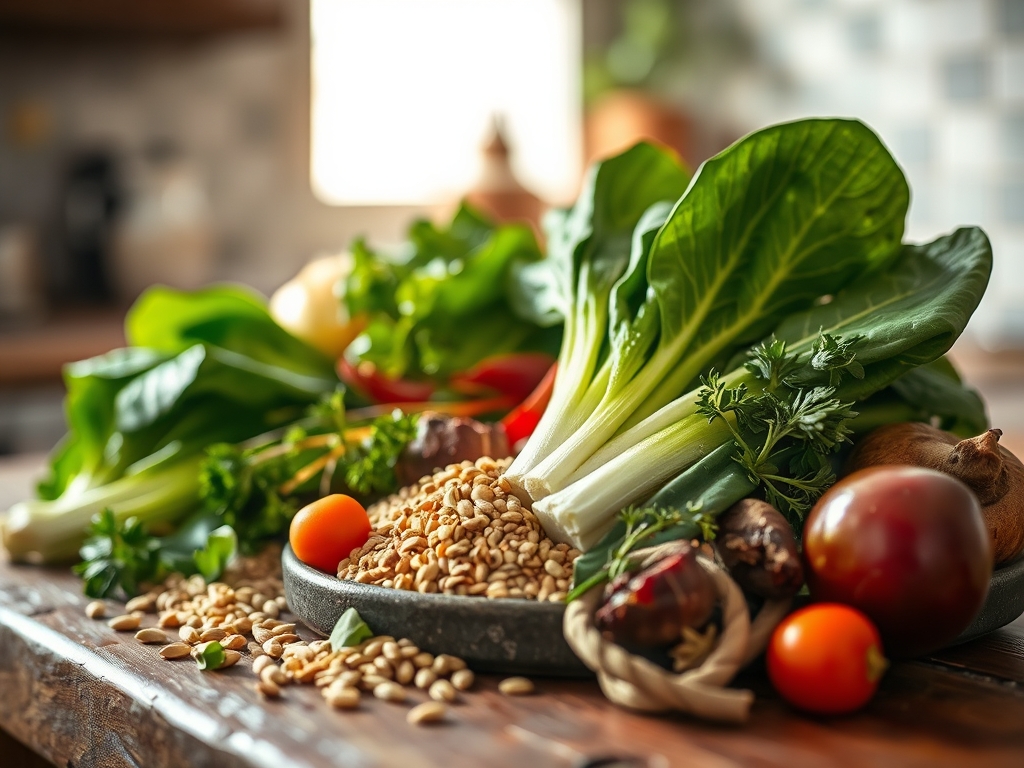
Before we ignite the burner, we must respect the mise-en-place. For the beef, look for flank steak or sirloin tips. These cuts possess long muscle fibers that, when sliced against the grain, become incredibly tender. You will need a digital scale to ensure your ratios are precise. We are aiming for 12 ounces of beef to 1 pound of baby bok choy.
The bok choy should be "baby" variety for this application. These smaller heads have a higher ratio of tender leaf to fibrous stalk. Use a sharp chef knife to halve them longitudinally, which allows the heat to penetrate the dense core without obliterating the delicate leaves. For the aromatics, you will need fresh ginger and garlic. Use a microplane to grate the ginger into a fine paste; this increases the surface area and allows the gingerols to infuse the oil almost instantly.
Smart Substitutions: If you cannot find baby bok choy, Swiss chard or tatsoi are excellent stand-ins because they share a similar water content. For the beef, if you are feeling fancy, a sliced wagyu hanger steak provides an unparalleled fat render. If you are avoiding soy, liquid aminos offer that same piquant, fermented depth without the gluten.
The Clock
Efficiency in the kitchen is about the "Chef's Flow." Total prep time for these bok choy beef recipes is roughly 15 minutes, with a cook time of only 8 to 10 minutes. The goal is high-heat, high-speed execution.
Start by marinating your beef for 20 minutes while you prep the vegetables. This is not just for flavor; the salt in the marinade begins to break down the tight protein structures. While the beef rests, use a bench scraper to organize your chopped aromatics. Once the pan is hot, the actual cooking happens in a flash. If you spend more than three minutes searing the beef, you have lost the moisture. The bok choy follows for a mere 120 seconds. Respect the clock, and the clock will respect your palate.
The Masterclass
1. The Velvet Marinate
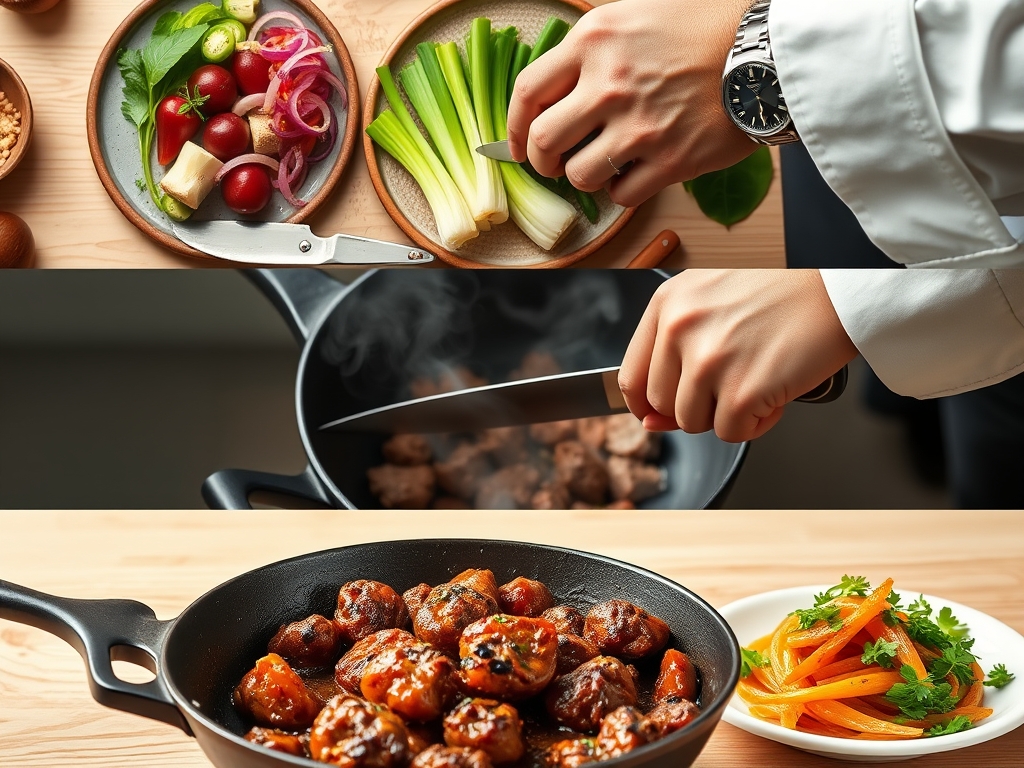
Place your sliced beef in a bowl with a splash of toasted sesame oil, cornstarch, and soy sauce. Use your hands to massage the mixture into the fibers. This process, known as velveting, creates a protective barrier that prevents the meat from toughening under high heat.
Pro Tip: The cornstarch acts as a physical shield against "thermal shock," ensuring the exterior browns while the interior stays succulent and prevents the juices from leaching out.
2. Tempering the Skillet
Place your heavy-bottomed skillet or carbon steel wok over high heat until you see a faint wisp of smoke. Add a high-smoke-point oil like grapeseed or avocado oil. Avoid olive oil here; it will oxidize and turn bitter at these temperatures.
Pro Tip: This is about achieving the Leidenfrost effect, where a layer of vapor prevents the food from sticking to the metal, allowing for a cleaner sear and better Maillard development.
3. The Hard Sear
Using tongs, lay the beef in a single layer. Do not crowd the pan. If you add too much meat at once, the temperature drops, and the beef will steam in its own juices rather than searing. Let it sit undisturbed for 90 seconds to develop a crust.
Pro Tip: This "enzymatic browning" creates hundreds of new flavor compounds that do not exist in raw or boiled meat. Resist the urge to toss it too early.
4. Deglazing and Aromatics
Push the beef to the perimeter of the pan and drop your grated ginger, garlic, and red pepper flakes into the center. Once they become fragrant (about 30 seconds), deglaze the pan with a splash of Shaoxing wine or dry sherry. Use a wooden spoon to scrape up the browned bits.
Pro Tip: The alcohol in the wine acts as a solvent, dissolving flavor molecules that are not water-soluble and incorporating them into a viscous sauce.
5. The Bok Choy Wilt
Toss in your halved bok choy. Add a tablespoon of water or stock and immediately cover the pan with a lid for 60 seconds. This creates a localized steam environment that softens the stalks while keeping the leaves bright green.
Pro Tip: This "flash steaming" preserves the chlorophyll and prevents the leaves from turning a dull olive drab, which occurs during prolonged exposure to acids and heat.
6. The Emulsified Finish
Remove the lid and toss everything together. The residual cornstarch from the beef marinade will combine with the deglazing liquid to form a glossy, light sauce that coats every leaf.
Pro Tip: This is a quick emulsification. The starch molecules swell and trap the fats and liquids together, creating a luxurious mouthfeel without the need for heavy creams.
The Deep Dive
From a macro perspective, these bok choy beef recipes are a powerhouse. You are getting high-quality heme iron and protein from the beef, paired with the Vitamin K and Vitamin C density of the greens. It is a low-calorie-density meal that provides massive satiety.
Dietary Swaps:
- Vegan: Replace the beef with extra-firm tofu or king oyster mushrooms. Use a press to remove moisture from the tofu before searing to ensure a crisp exterior.
- Keto: Omit the cornstarch and use a pinch of xanthan gum to thicken the sauce. Serve over cauliflower rice instead of traditional grains.
- Gluten-Free: Ensure your soy sauce is replaced with Tamari or coconut aminos.
The Fix-It:
- Tough Beef: You likely sliced with the grain. Next time, look for the lines in the meat and cut perpendicular to them.
- Soggy Greens: You left the lid on too long. Bok choy continues to cook after you remove it from the heat due to "carryover cooking." Pull it when it still has a slight snap.
- Bland Sauce: It needs acidity. A tiny splash of rice vinegar or a squeeze of lime at the very end will brighten the entire profile.
Meal Prep: If you are reheating this the next day, do not use the microwave on high power. It will turn the beef into rubber. Instead, use a saucier on the stovetop with a teaspoon of water over medium heat to gently re-hydrate the sauce and aerate the greens.
The Wrap-Up
Mastering bok choy beef recipes is like learning a secret handshake in the culinary world. It proves you understand heat management and the delicate balance between protein and produce. Whether you are serving this over a bed of jasmine rice or eating it straight from the pan with a pair of chopsticks, the result is a sophisticated, nutrient-dense meal that feels like a triumph. Now go forth, get that skillet screaming hot, and show those greens who is boss.
The Kitchen Table
How do I stop bok choy from being watery?
Dry the bok choy thoroughly after washing. Searing the stalks over high heat before adding liquid ensures the water stays inside the cell walls rather than leaking into your sauce and diluting the flavor.
What is the best cut of beef for stir fry?
Flank steak or skirt steak are the gold standards. They have a robust flavor and a coarse grain that holds onto sauces beautifully. Always slice them thinly against the grain for maximum tenderness.
Can I use regular cabbage instead?
Yes, but the texture will change. Napa cabbage is the closest substitute. Regular green cabbage is much denser and will require a longer cook time to soften the ribs compared to the delicate baby bok choy.
Why is my stir fry sauce thin?
You likely didn't use enough starch or the pan wasn't hot enough to activate it. A "slurry" of cornstarch and water added at the end will thicken the liquid into a glossy coating almost instantly.