
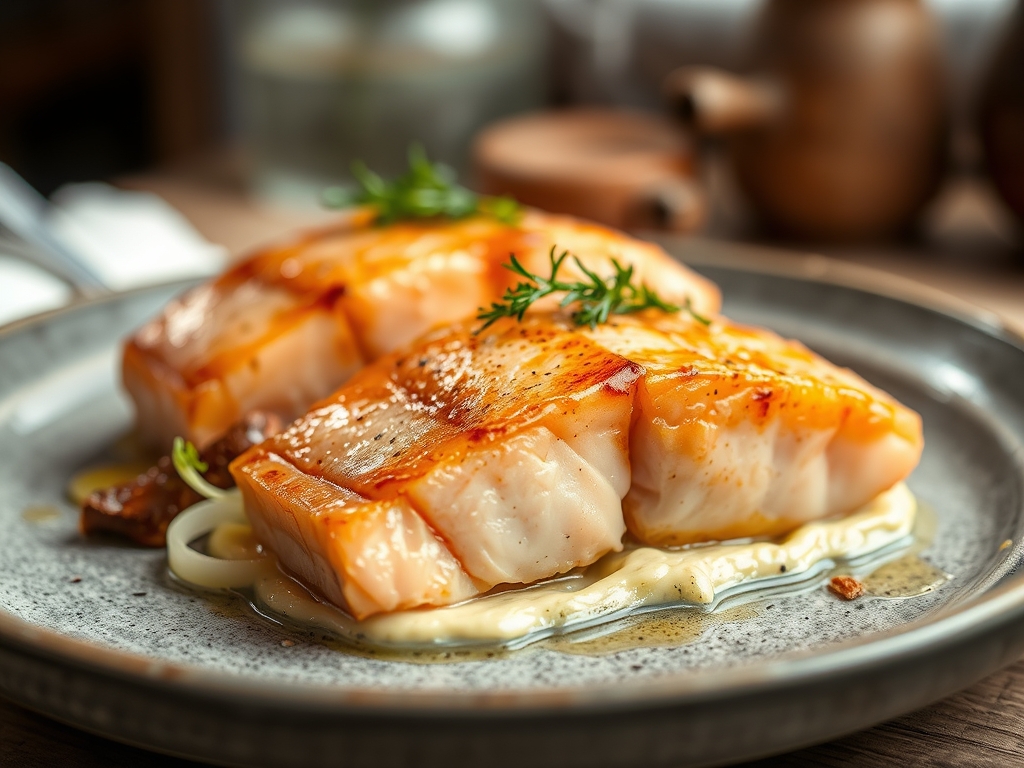
Picture a cold evening where the kitchen windows are clouded with steam and the air is thick with the scent of butter hitting a hot skillet. We are not just making dinner; we are engineering a masterpiece of flavor using the most elegant duo in the culinary world. Masterful leek and salmon recipes rely on the delicate balance between the sulfurous, sweet depth of the Allium family and the rich, omega-3 fatty acids found in cold-water fish. It is a pairing that feels expensive but remains incredibly accessible.
The magic happens when the leek, which is essentially the sophisticated, mild-mannered cousin of the onion, undergoes a slow sweat in fat. This process breaks down complex sugars into a jammy consistency that perfectly offsets the flaky, protein-rich texture of a seared fillet. Whether you are poaching in a silky cream sauce or roasting on a sheet pan, the chemistry remains consistent. We are chasing that specific moment where the sharp bite of the raw vegetable transforms into a mellow, velvety backdrop for the savory salmon. Grab your favorite heavy-bottomed skillet and a glass of crisp white wine. We are about to dive into the molecular harmony of these nine aromatic pairings that will redefine your weeknight rotation.
The Gathers:
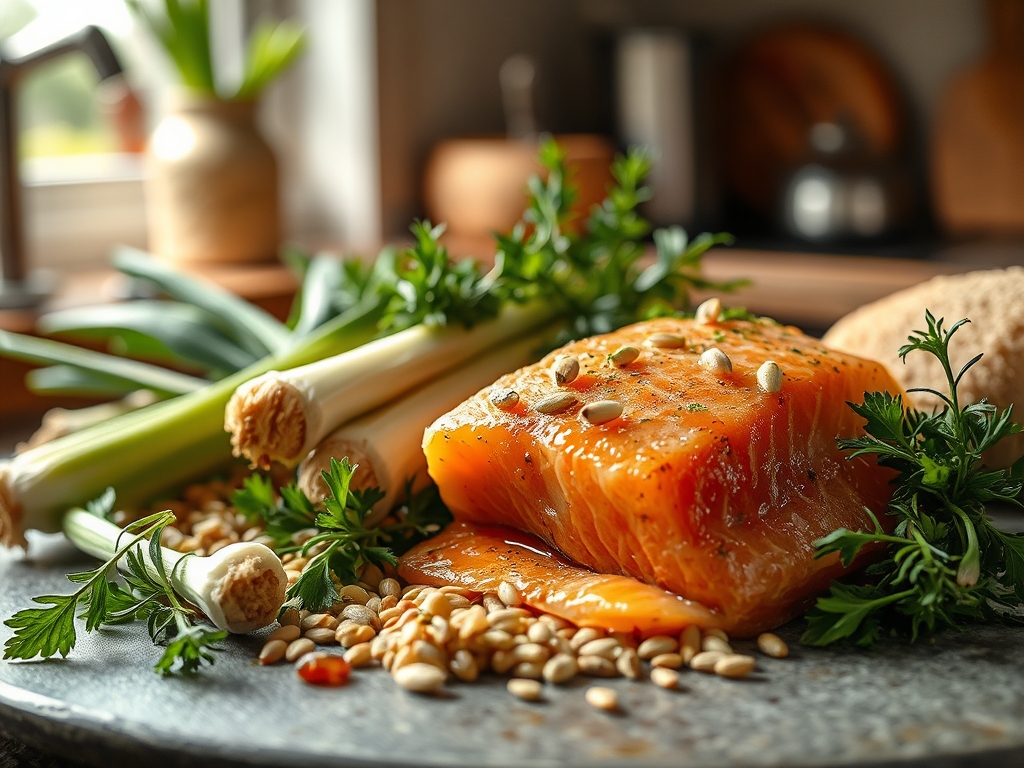
To execute world-class leek and salmon recipes, your mise-en-place must be precise. Start with the leeks. You want the white and light green parts only. Use a sharp chef knife to slice them into thin rounds, then submerge them in a bowl of cold water to agitate any trapped grit. For the salmon, look for center-cut fillets with a vibrant hue and firm flesh. You will also need high-fat European butter, dry vermouth or white wine for deglazing, and fresh dill to provide a bright, herbaceous finish.
Smart Substitutions are the secret to kitchen flexibility. If leeks are unavailable, use shallots to maintain that delicate sweetness without the aggression of a red onion. For the salmon, steelhead trout is an excellent biological stand-in with a similar fat profile. If you are avoiding dairy, a full-fat coconut milk or a high-quality cashew cream can provide the necessary viscosity to emulsify your sauce. Always keep a digital scale nearby to ensure your protein portions are uniform for even cooking.
The Clock
Efficiency in the kitchen is all about the "Chef's Flow." This is the art of overlapping tasks so that no heat is wasted. Prep your leeks first; they require more time to soften and release their aromatic compounds than the fish does to cook. Generally, you are looking at 15 minutes of active prep and 20 minutes of cooking.
The salmon itself only needs about 4 to 6 minutes per side depending on the thickness. While the fish rests, you will use that time to finish your sauce or toss a quick side salad. By the time the internal temperature of the salmon has stabilized through carryover cooking, your leek base will be at its peak sweetness. This synchronization ensures that every component hits the plate at the optimal serving temperature.
The Masterclass
1. The Proper Prep and Cleanse
Trim the dark green tops and the root ends. Slice the leeks lengthwise and rinse them thoroughly under running water. Use a bench scraper to move your clean, sliced rounds into a prep bowl. Ensuring the leeks are dry before they hit the pan is vital for a proper sauté.
Pro Tip: Drying the leeks prevents the temperature of the pan from dropping too quickly. If they are wet, they will steam instead of sautéing, which prevents the Maillard reaction from developing those deep, savory flavor compounds.
2. Searing for Texture
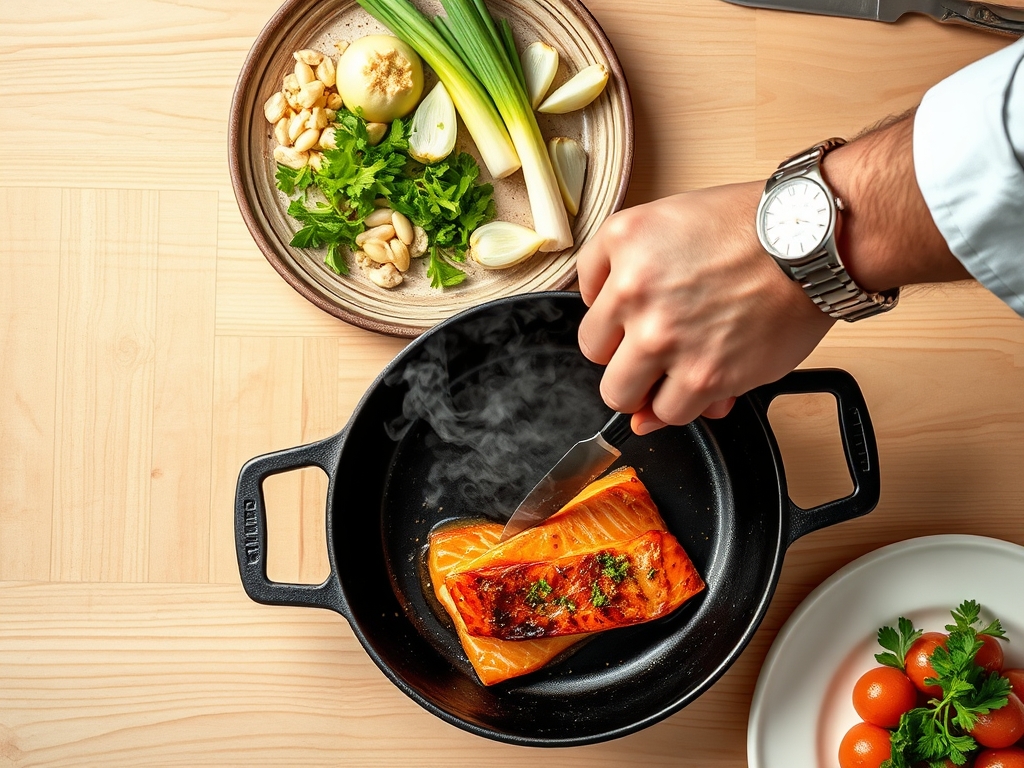
Heat a heavy-bottomed skillet over medium-high heat. Pat the salmon bone-dry with paper towels and season liberally with kosher salt. Place the fish skin-side down. Use a flexible fish spatula to press the fillet down for the first 30 seconds to prevent the skin from curling.
Pro Tip: Pressing the fish ensures maximum surface contact with the pan. This facilitates efficient thermal conduction, resulting in a shatteringly crisp skin that protects the delicate flesh from overcooking.
3. Sweating the Aromatics
Once the salmon is flipped and nearly finished, remove it to a warm plate. Lower the heat and add a knob of butter to the same pan. Toss in the leeks. You want them to turn translucent and soft, not brown. This is where the foundation of your leek and salmon recipes is built.
Pro Tip: This technique is known as sweating. By keeping the temperature low, you allow the cell walls of the leeks to break down and release their moisture without carmelizing the sugars too aggressively, preserving their delicate floral notes.
4. Deglazing the Fond
Pour in a splash of dry white wine or chicken stock. Use a wooden spoon to scrape up the brown bits stuck to the bottom of the pan. These bits, known as fond, contain concentrated flavor that will infuse your entire dish.
Pro Tip: Deglazing is a chemical process where the liquid dissolves the denatured proteins and caramelized sugars on the pan surface. This creates a complex, savory base for your sauce that cannot be replicated with water alone.
5. Emulsifying the Sauce
Whisk in a tablespoon of cold butter or a splash of heavy cream. Stir constantly until the sauce becomes glossy and thick enough to coat the back of a spoon. This creates a luxurious mouthfeel that ties the fish and vegetables together.
Pro Tip: This is the science of emulsification. You are forcing fat and water-based liquids to bond. Using cold butter at the end helps stabilize the emulsion, preventing the sauce from "breaking" or becoming oily.
The Deep Dive
From a macro perspective, leek and salmon recipes are nutritional powerhouses. Salmon provides high-quality protein and essential fatty acids, while leeks offer prebiotic fiber and vitamin K. For a Keto version, simply omit any flour thickeners and stick to high-fat cream. For a Vegan twist, swap the salmon for a thick slab of roasted cauliflower or "salmon" made from marinated carrots, using olive oil instead of butter.
The Fix-It: If your salmon is sticking to the pan, it usually means you tried to flip it too early; the proteins will naturally release once a crust has formed. If your sauce is too thin, continue to reduce it over medium heat to evaporate excess water. If the leeks taste bitter, they may have burned; add a pinch of sugar or a squeeze of lemon juice to balance the flavor profile. For meal prep, reheat your salmon gently in a low-oven at 275 degrees Fahrenheit with a splash of water to maintain the moisture levels of the protein fibers.
The Wrap-Up
Mastering leek and salmon recipes is a rite of passage for any home cook looking to elevate their game. It is a dish that relies on technique rather than a long list of ingredients. By understanding how heat interacts with the sugars in the leeks and the proteins in the fish, you can create a restaurant-quality meal in under thirty minutes. So, pull out your tongs, fire up the stove, and let the aromatics fill your home. You have the science; now go make some magic!
The Kitchen Table
How do I prevent my leeks from burning?
Always use medium-low heat and a generous amount of fat. If they start to brown too quickly, add a tablespoon of water or stock to the pan to lower the temperature and encourage even softening through gentle steaming.
Can I use frozen salmon for these recipes?
Yes; however, ensure it is completely thawed and patted dry. Frozen fish often contains more moisture, so you must be extra diligent about drying the surface to achieve a proper sear and avoid a rubbery texture.
What is the best way to clean leeks?
Slice them lengthwise first, then cut into half-moons. Submerge the pieces in a large bowl of cold water and swirl them vigorously. The grit will sink to the bottom while the clean leeks float to the top.
How do I know when the salmon is done?
Use a digital thermometer to check for an internal temperature of 125 to 130 degrees Fahrenheit for medium-rare. The fish should be opaque and flake easily when pressed gently with a fork or your finger.