
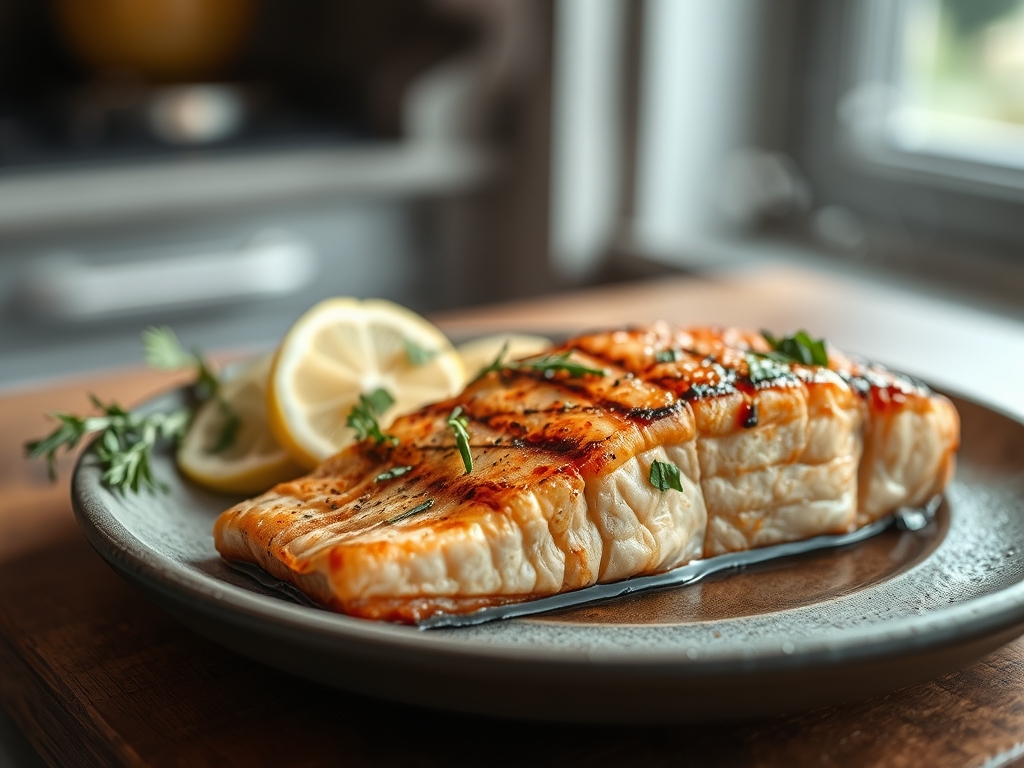
Picture the scene: a quiet kitchen, the sharp scent of lemon zest cutting through the air, and a fillet of fish so vibrant it looks like a sunset. We are moving beyond the basic weeknight dinner and entering the realm of culinary precision. Mastering oven grilled salmon recipes is about more than just heat; it is about the intersection of protein structure and moisture management. When you slide that tray under the intense radiation of the broiler, you are initiating a complex dance of amino acids and sugars. The result is a crust that shatters under the fork, giving way to a center that is buttery, translucent, and rich with omega-3 fatty acids.
Salmon is a resilient protein, but it is also sensitive to the slightest thermal oversight. The goal is to achieve a piquant exterior without sacrificing the internal succulence. This requires a deep understanding of how heat moves through dense muscle fibers. We are looking for that perfect Maillard reaction, where the surface browns and develops deep, savory notes, while the interior remains at a perfect medium-rare. It is time to treat your kitchen like a laboratory and your dinner like a masterpiece. Grab your favorite apron; we are about to turn your oven into a high-performance grill.
The Gathers:
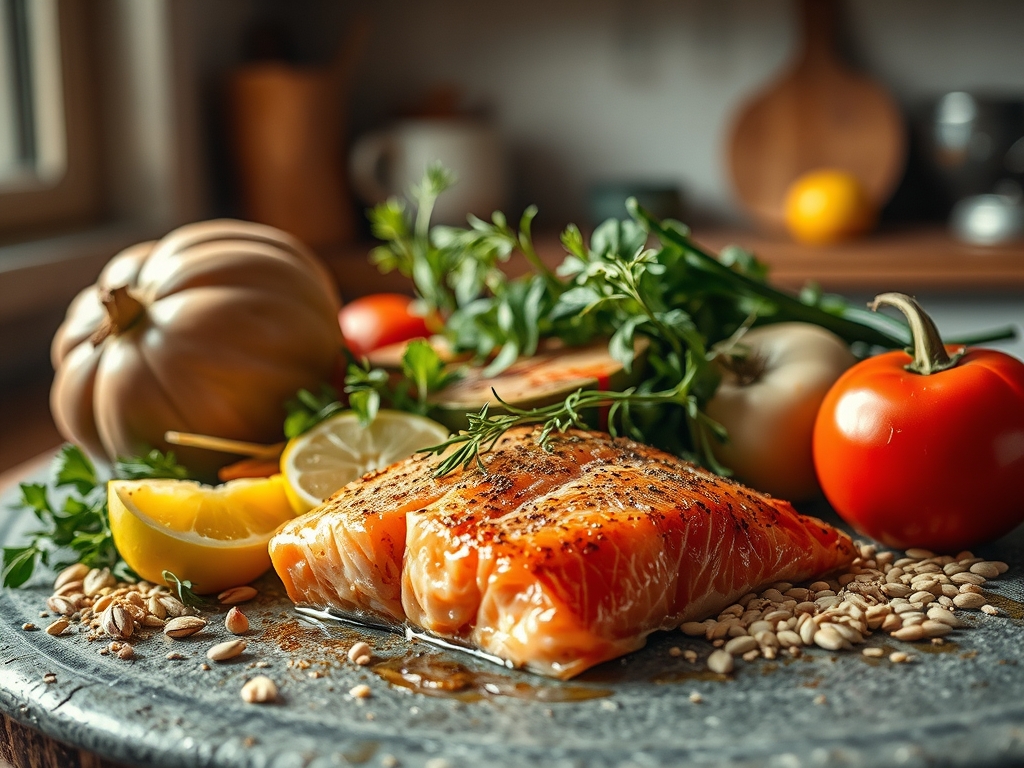
To begin, we must assemble our mise-en-place with the precision of a chemist. Start with the centerpiece: high-quality salmon fillets, preferably center-cut for uniform thickness. You will need a viscous fat source, such as extra virgin olive oil or clarified butter, to act as a thermal conductor. For the aromatics, reach for a microplane to create a fine paste of garlic and ginger; this increases the surface area for flavor infusion. You will also need kosher salt for its jagged crystal structure, which adheres better to the flesh, and freshly cracked black pepper for a sharp, biting contrast.
Smart Substitutions:
If you are out of fresh lemons, a splash of white wine vinegar or a pinch of sumac can provide that necessary acid to cut through the fat. Instead of honey for sweetness, try a dash of maple syrup or even a sprinkle of coconut sugar to aid in caramelization. If you want to swap the fats, avocado oil is a fantastic high-smoke-point alternative that allows for even more aggressive searing without the risk of acridity.
The Clock
The "Chef's Flow" is all about timing and temperature. Your total preparation time will take approximately 10 minutes, focusing on drying the fish and preparing the glaze. The actual cooking time is remarkably fast, usually between 8 to 12 minutes depending on the thickness of your fillets. However, the most critical part of the clock is the rest period. You must allow the fish to sit for at least 5 minutes after it leaves the heat. This allows the internal juices to redistribute, ensuring that the moisture stays inside the fish rather than spilling out onto the plate.
The Masterclass
1. The Desiccation Phase
Use a paper towel to aggressively pat the salmon dry until the skin and flesh feel tacky. Moisture is the enemy of the crust; any residual water will create a layer of steam that prevents the Maillard reaction. Use a bench scraper to move the fillets onto a wire rack set over a baking sheet to allow for 360-degree airflow.
Pro Tip: This process is called surface dehydration. By removing surface moisture, you allow the heat to immediately begin browning the proteins rather than wasting energy evaporating water.
2. The Emulsion Application
Whisk together your oil, aromatics, and seasonings in a small saucier or bowl until they are fully emulsified. Brush this mixture generously over the top and sides of the salmon. Ensure the coating is even to prevent hot spots where the spices might burn before the fish is cooked.
Pro Tip: Fat acts as a surfactant, ensuring that heat is distributed evenly across the irregular surface of the fish. This promotes uniform enzymatic browning.
3. The Thermal Shock
Position your oven rack about 6 inches from the broiler element and preheat until the air is shimmering. Slide the tray in and watch closely. The intense infrared radiation will begin to render the fat in the salmon, creating a self-basting effect that keeps the meat tender while the top crisps.
Pro Tip: This is "high-intensity radiant heat." It mimics the effect of a charcoal grill by targeting the surface quickly, creating a temperature gradient between the crust and the core.
4. The Internal Check
Use a digital scale or, more accurately, a digital probe thermometer to check the internal temperature. You are aiming for 125 degrees Fahrenheit for a perfect medium. Use tongs to gently press the side of the fillet; it should yield slightly but feel firm to the touch.
Pro Tip: Thermal carryover is real. The internal temperature will continue to rise by 5 to 7 degrees after you remove the fish from the oven. Pulling it early prevents the proteins from tightening and becoming dry.
The Deep Dive
Macro Nutrition
Salmon is a nutritional powerhouse. A standard 6-ounce fillet provides roughly 34 grams of high-quality protein and 20 grams of healthy fats, primarily heart-healthy omega-3s. It is naturally low in carbohydrates, making it a staple for many dietary patterns.
Dietary Swaps
- Vegan: Substitute the salmon with thick-cut "steaks" of cauliflower or lion's mane mushrooms. Use a soy-based glaze to mimic the savory depth.
- Keto: Keep the recipe as is, but ensure your glaze is sugar-free. Increase the fat content by serving with a side of homemade hollandaise.
- Gluten-Free: This recipe is naturally gluten-free, provided you use tamari instead of soy sauce if your glaze calls for it.
The Fix-It: Common Pitfalls
- White Gunk (Albumin): If you see white streaks on your fish, you have cooked it too fast or too long. The muscle fibers have contracted so hard they squeezed out the liquid protein. Fix: Lower the heat or pull the fish sooner.
- Soggy Skin: This happens when the skin sits in its own juices. Fix: Always cook on a wire rack to allow moisture to drip away.
- Burnt Glaze: Sugary glazes burn quickly under a broiler. Fix: Apply the glaze only during the last 2 minutes of cooking to infuse flavor without carbonizing the sugars.
Meal Prep: The Science of Reheating
To maintain "day-one" quality, never use a microwave. The high-frequency waves agitate water molecules too violently, toughening the fish. Instead, reheat in a 275-degree oven with a splash of water and a cover to create a gentle steam environment that restores moisture without overcooking the core.
The Wrap-Up
You are now equipped with the technical prowess to execute perfect oven grilled salmon recipes every single time. By focusing on surface moisture, thermal carryover, and the chemistry of the broiler, you have elevated a simple meal into a gourmet experience. Remember, the kitchen is your playground and the science is your guide. Go forth, get that crust perfectly golden, and enjoy the buttery, flakey rewards of your labor!
The Kitchen Table
How do I stop salmon from sticking to the pan?
Ensure the skin is completely dry and the pan or rack is well-greased. Using a wire rack prevents the fish from sitting in its own moisture, which acts like a glue during the cooking process.
What is the best temperature for oven grilled salmon?
Set your oven to the "Broil" setting, which is typically 500 degrees Fahrenheit. This high heat mimics a grill, creating a fast sear on the outside while leaving the inside tender and moist.
How can I tell if salmon is done without a thermometer?
Gently press the top of the fillet with a fork or your finger. If the flesh flakes easily along the natural white lines (the fat deposits), it is ready. It should be opaque but still moist.
Should I leave the skin on when grilling in the oven?
Yes, keep the skin on. It acts as a protective barrier against the heat, preventing the delicate flesh from overcooking. It also provides a delicious, crispy texture that contrasts beautifully with the soft meat.