
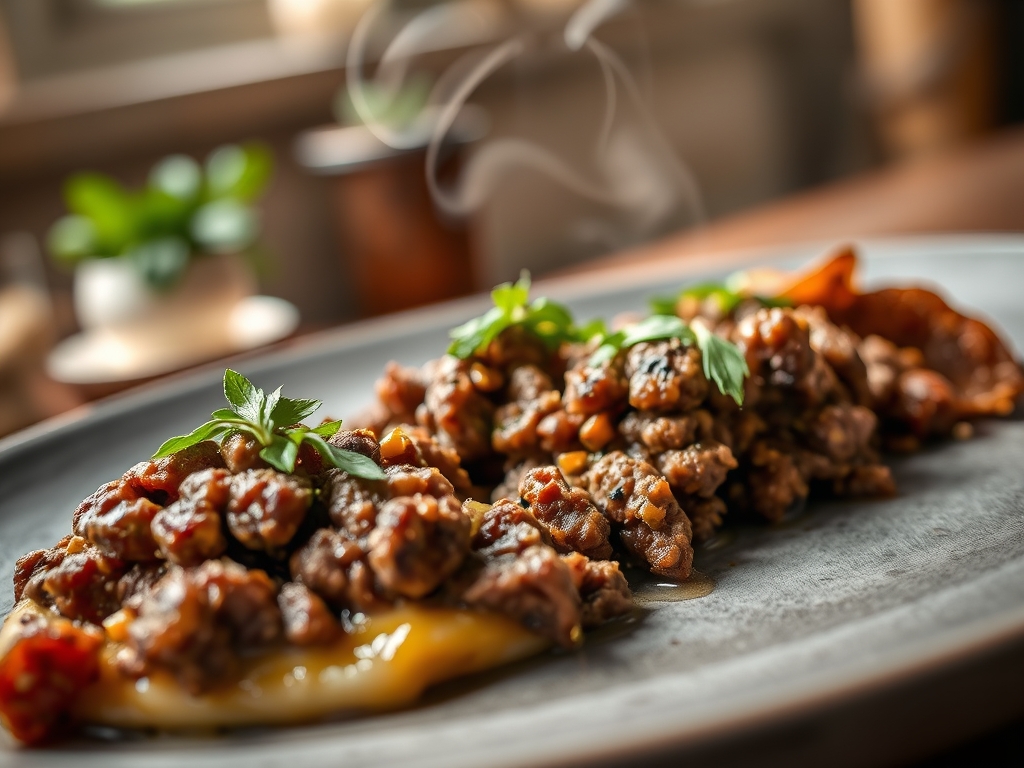
Picture the sizzle of a heavy-bottomed skillet as it meets a perfectly chilled fat source. That sound is the universal language of comfort. If you have ever felt underwhelmed by plant-based proteins, it is likely because the chemistry was slightly off. Mastering vegetarian ground beef recipes requires more than just heat; it requires an understanding of moisture retention and the elusive Maillard reaction. We are going to transform those crumbly, often misunderstood plant proteins into a savory powerhouse that rivals any traditional chuck.
The secret lies in treating the substitute like a premium ingredient rather than a compromise. We are talking about deep, umami-rich flavors that cling to every noodle or fill every taco shell with authority. Whether you are a lifelong herbivore or a curious carnivore, these upgrades will redefine your weeknight rotation. By manipulating textures with high-quality fats and acidity, we can achieve a mouthfeel that is remarkably authentic. Grab your favorite apron and clear the counter. We are about to dive into the molecular magic of plant-based cooking.
The Gathers:
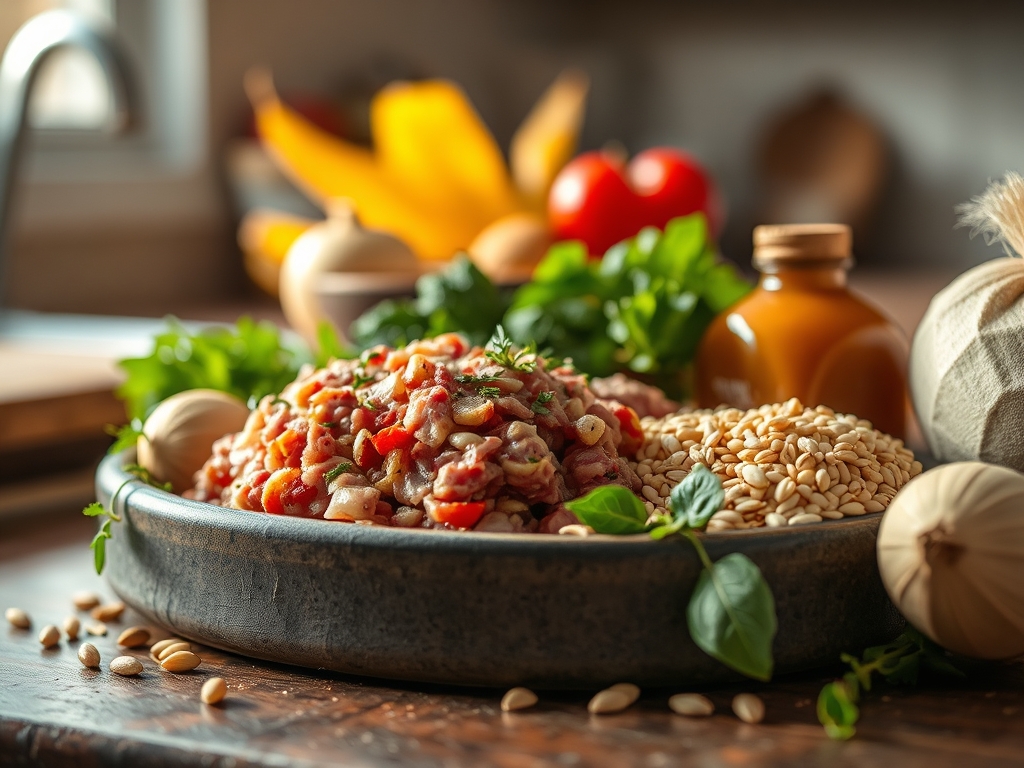
To achieve a professional result, your mise-en-place must be precise. Start with your primary protein: a high-quality plant-based crumble or a blend of rehydrated textured vegetable protein (TVP) and finely minced mushrooms. The mushrooms provide a hygroscopic quality, meaning they hold onto moisture and release it slowly during the cook. You will also need a viscous liquid base. A combination of tamari, balsamic vinegar, and a touch of liquid smoke creates a piquant profile that mimics the iron-rich depth of beef.
Smart Substitutions are your best friend here. If you are avoiding soy, finely diced walnuts and lentils offer a fantastic structural integrity. For the fat component, reach for refined coconut oil or avocado oil. These have high smoke points, allowing you to achieve a hard sear without the oil breaking down into acrid compounds. Do not forget your aromatics. Use a microplane to grate fresh garlic and ginger directly into your oil; this maximizes surface area and ensures the essential oils infuse the entire dish rather than leaving behind bitter, burnt chunks. Finally, keep a digital scale nearby to ensure your ratio of protein to binder is exact.
The Clock: Master the Chef's Flow
Efficiency in the kitchen is about the "Chef's Flow," which is the strategic sequencing of tasks to minimize downtime. Your total active time for these upgrades is roughly 15 minutes, with a 20-minute simmer to allow the flavors to amalgamate.
Start by prepping your aromatics while your skillet preheats. This five-minute window is crucial. If you throw cold protein into a cold pan, you will end up with a soggy, steamed mess. Once the pan is screaming hot, the actual browning takes about seven minutes. The final stage is the "low and slow" infusion where you add your liquids and let the protein absorb the savory notes. This structured approach ensures that by the time your pasta is al dente or your tortillas are toasted, your vegetarian ground beef is at its peak texture.
The Masterclass: Step-by-Step Upgrades
1. The High-Heat Sear
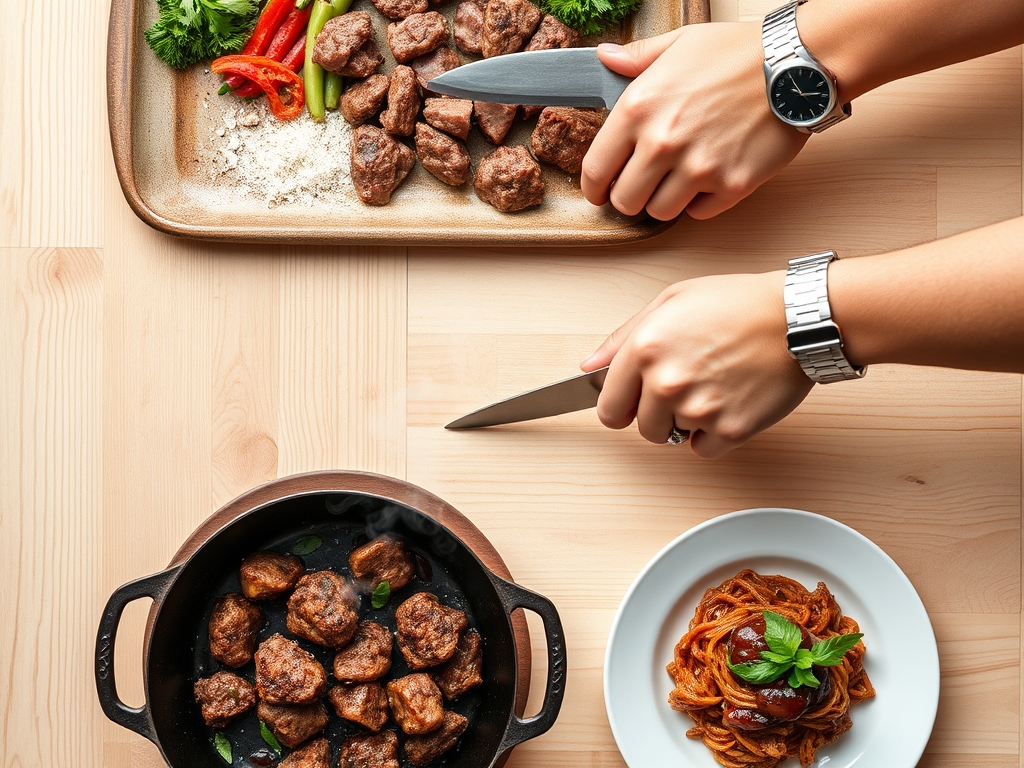
Place your plant-based protein in a preheated cast-iron skillet. Do not crowd the pan; overcrowding drops the temperature and leads to steaming. Use a bench scraper or a stiff spatula to press the crumbles down firmly.
Pro Tip: This promotes the Maillard reaction, a chemical reaction between amino acids and reducing sugars that gives browned food its distinctive flavor. Without this, your vegetarian ground beef recipes will lack the "roasty" depth of traditional meat.
2. Deglazing for Depth
Once a dark crust has formed on the bottom of the pan, pour in a splash of red wine or vegetable stock. Use your spatula to scrape up the browned bits, known as the fond.
Pro Tip: Deglazing is essential because the fond contains concentrated flavor compounds that are not water-soluble but will dissolve in the warm liquid, creating a rich, complex sauce base.
3. Emulsifying the Fat
Add a tablespoon of cold butter or a vegan alternative toward the end of the cooking process. Stir vigorously to incorporate the fat into the residual liquid.
Pro Tip: This creates a stable emulsion. The fat coats the protein fibers, providing a luxurious mouthfeel that mimics the natural marbling found in animal fats, preventing the "dry" sensation often associated with plant proteins.
4. The Umami Bomb
Incorporate a teaspoon of tomato paste or miso paste into the center of the pan. Let it cook for sixty seconds until it turns a deep rust color before stirring it into the rest of the mixture.
Pro Tip: This is called "pincing" the paste. It caramelizes the sugars and reduces the raw, metallic taste of the tomato, replacing it with a savory, earthy sweetness.
5. Aerating the Texture
Just before serving, use a pair of tongs or a fork to fluff the mixture. This introduces air between the crumbles, making the dish feel lighter on the palate.
Pro Tip: Aeration prevents the protein from clumping into a dense, rubbery mass as it cools, ensuring each bite remains tender and distinct.
The Deep Dive: Nutrition and Troubleshooting
From a macro perspective, these vegetarian ground beef recipes are powerhouses. Most plant-based crumbles offer 15 to 20 grams of protein per serving with significantly less saturated fat than 80/20 beef. To keep it Keto, swap out any starch-based binders for almond meal. For a Gluten-Free version, ensure your tamari is certified GF and avoid malt-based flavorings.
The Fix-It: Common Pitfalls
- The Mushy Mess: This happens when there is too much moisture. Fix: Spread the protein on a baking sheet and roast at 400 degrees Fahrenheit for ten minutes to dehydrate the exterior before pan-searing.
- The Bland Bite: Plant proteins are notorious for absorbing salt unevenly. Fix: Season in layers. Salt your aromatics, salt your protein during the sear, and do a final "finishing salt" check.
- The Rubbery Texture: Overcooking causes plant proteins to tighten and lose their "give." Fix: Add a splash of fat-rich liquid, like coconut milk or a touch of oil, to re-lubricate the fibers.
Meal Prep and Reheating
To maintain "day-one" quality, store your protein in an airtight glass container. When reheating, avoid the microwave if possible. Instead, use a small saucier or skillet with a tablespoon of water. Cover the pan to create steam, which rehydrates the protein without making it soggy. This thermal management ensures the texture remains supple rather than turning into "plant-based jerky."
The Wrap-Up:
You are now officially equipped to turn any humble package of plant-based crumbles into a culinary masterpiece. By focusing on the science of searing, the art of deglazing, and the importance of umami, you have elevated your kitchen game to a professional level. Remember, cooking is just delicious chemistry. Don't be afraid to experiment with different acids and fats to find your signature flavor profile. Now, go forth and conquer those vegetarian ground beef recipes with the confidence of a seasoned chef. Your dinner guests won't even know what hit them.
The Kitchen Table:
How do I make vegetarian ground beef taste meaty?
Focus on umami-rich additives like soy sauce, tomato paste, or nutritional yeast. Searing the protein in a heavy skillet to trigger the Maillard reaction is essential for creating those deep, savory flavor compounds associated with traditional roasted meats.
Why is my plant-based ground beef sticking to the pan?
This usually occurs because the pan was not hot enough before adding the protein or there was insufficient fat. Ensure your skillet is preheated until a drop of water dances on the surface, then add high-smoke-point oil.
Can I freeze cooked vegetarian ground beef?
Yes, most plant-based crumbles freeze beautifully. Store them in a vacuum-sealed bag or airtight container for up to three months. Reheat in a skillet with a splash of liquid to restore the original texture and moisture levels.
Is vegetarian ground beef healthier than real beef?
Generally, yes. It typically contains zero cholesterol and much higher fiber content. However, always check the label for sodium levels and processed additives. Using whole-food bases like lentils or walnuts is the healthiest way to customize your protein.