
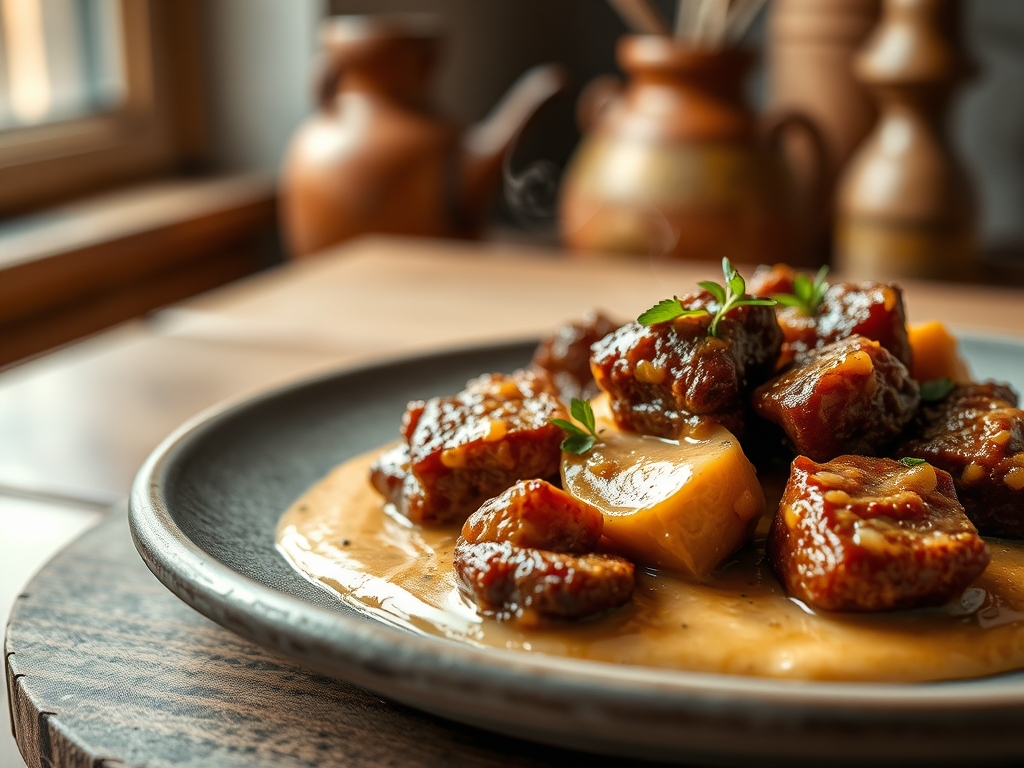
Imagine the sound of a heavy-bottomed skillet meeting a flame; it is the rhythmic percussion of a kitchen coming to life. There is a specific, primal magic that occurs when the iron-rich depth of seared protein meets the silkiness of a high-fat dairy reduction. We are moving far beyond the basic weeknight stroganoff here. These creamy beef recipes are about mastering the delicate balance between heavy lipids and sharp acids to create a sauce that clings to your fork rather than pooling at the bottom of the bowl. It is about that first bite where the salt of the crust meets the velvet of the cream. Whether you are craving the piquant kick of a peppercorn brandy sauce or the earthy hum of a mushroom-heavy ragu, we are diving deep into the chemistry of comfort. Grab your favorite apron and a glass of something bold; we are about to transform a few humble ingredients into a portfolio of nine decadent masterpieces that will make your kitchen smell like a five-star bistro.
The Gathers:
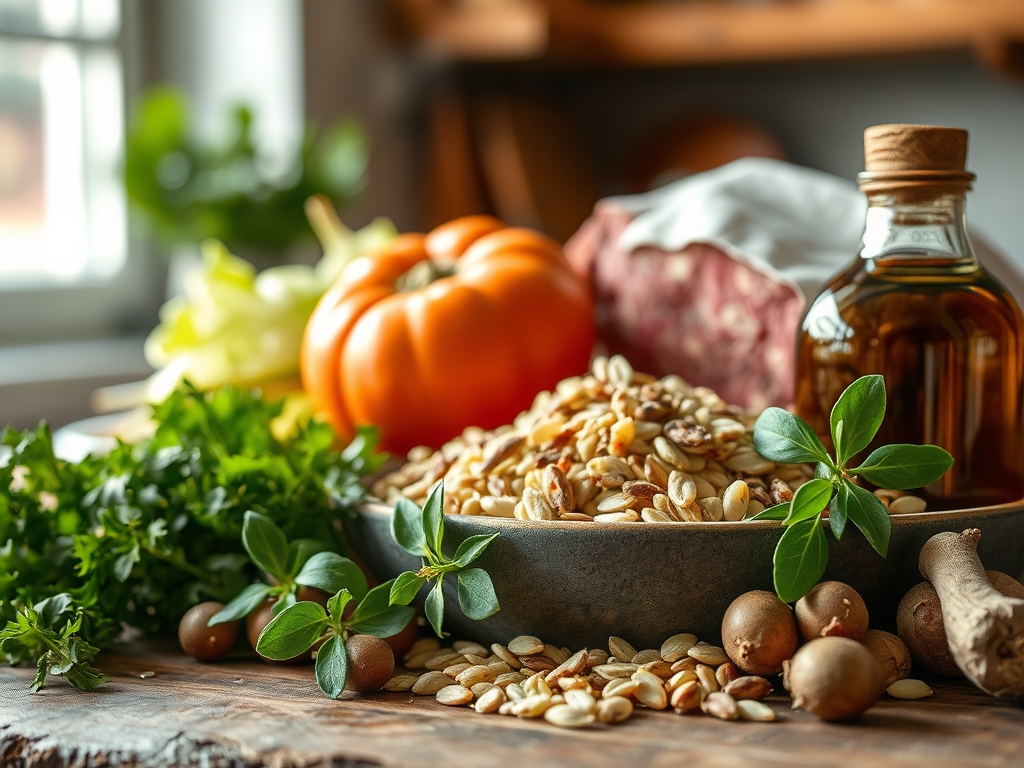
To execute these creamy beef recipes with precision, your mise-en-place must be more than just organized; it must be strategic. Start with your protein. For high-heat searing, look for cuts like ribeye or flank steak that offer significant intramuscular fat. If you are opting for a slow-simmered approach, a chuck roast provides the collagen necessary to create a viscous mouthfeel once it breaks down into gelatin. You will need a high-quality heavy cream with at least 36 percent milkfat to prevent curdling when it hits the acidic components of your sauce.
Your aromatics are the backbone of flavor. Fresh shallots, garlic cloves, and sprigs of thyme should be prepped using a sharp chef knife to ensure clean cell-wall cuts, which releases essential oils without bruising the herbs. Keep a microplane handy for grating fresh nutmeg or parmesan, as the increased surface area of a fine zest allows the ingredient to melt instantly into the emulsion. For the liquid base, a fortified beef bone broth is non-negotiable; the high protein content ensures the sauce achieves a glossy finish rather than a watery consistency.
Smart Substitutions: If you are looking to lighten the profile without sacrificing the "cream" factor, Greek yogurt is a fantastic swap, but only if folded in off the heat to prevent protein clumping. For a dairy-free alternative, full-fat coconut milk or cashew cream provides the necessary saturated fats to mimic the traditional texture. If you lack a specific cut of beef, remember that browning is more important than the shape; even ground wagyu can be elevated through proper Maillard reaction techniques.
The Clock: Chef's Flow
Efficiency in the kitchen is about understanding the "Chef's Flow," which is the art of overlapping tasks to minimize downtime. For these recipes, the total active prep time usually sits around 20 minutes, with cook times ranging from 15 minutes for a pan-seared steak to 45 minutes for a simmered sauce. The secret is the resting period. While your beef rests on a wooden board, the residual heat continues to cook the center while the muscle fibers relax, allowing the juices to redistribute. This 10-minute window is exactly when you should be finishing your sauce in the same pan to capture the fond (those caramelized bits stuck to the bottom). By the time your sauce has reduced to the perfect consistency, your beef is ready to slice, ensuring every component hits the plate at the optimal temperature.
The Masterclass:
1. The High-Sear Foundation
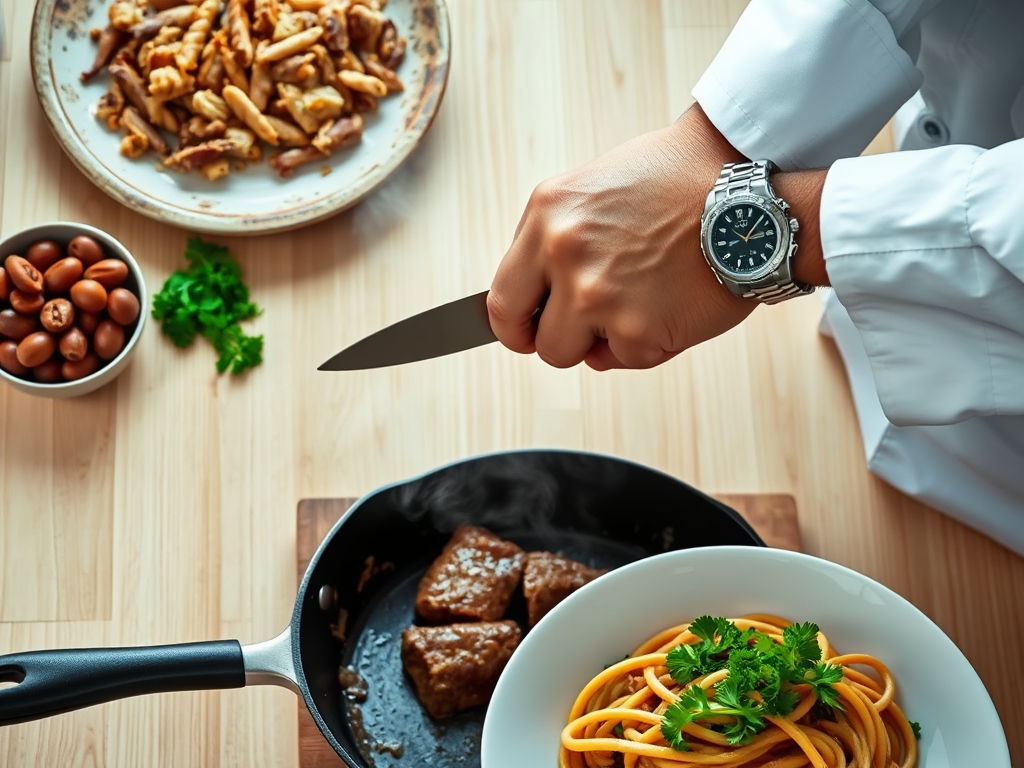
Pat your beef dry with a paper towel and season aggressively with kosher salt. Place your heavy-bottomed skillet over high heat until it just begins to smoke before adding a high-smoke-point oil like avocado oil.
Pro Tip: This is the Maillard reaction in action. By removing surface moisture, you ensure the heat energy goes directly into browning the proteins and sugars rather than steaming the meat.
2. Deglazing the Fond
Once the meat is removed, the pan will be covered in golden-brown bits. Pour in a splash of dry cognac or beef stock and use a bench scraper or wooden spoon to lift those flavors into the liquid.
Pro Tip: This process is called deglazing. The liquid acts as a solvent, dissolving the concentrated flavor compounds created during the searing phase and incorporating them into your base.
3. Building the Aromatics
Lower the heat to medium and add your minced shallots and garlic. Sauté until translucent but not browned; you want to infuse the fat with their essence without introducing bitterness.
Pro Tip: Garlic contains sulfur compounds that turn acrid if scorched. Keeping the temperature moderate preserves the sweet, nutty profile of the alliums.
4. The Emulsification Phase
Whisk in your heavy cream and any supplemental thickeners like Dijon mustard or tomato paste. Use a saucier if available, as its rounded bottom prevents sauce from scorching in the corners.
Pro Tip: This is where you create a stable emulsion. The fats in the cream are suspended in the water-based broth, creating a smooth, unified texture that coats the back of a spoon.
5. The Final Reduction
Simmer the sauce until it reaches your desired thickness. This is the time to add back any accumulated juices from the resting meat to ensure no flavor is wasted.
Pro Tip: As water evaporates, the concentration of solutes increases. This not only thickens the sauce but intensifies the savory umami profile of the dish.
The Deep Dive:
When we look at the Macro Nutrition of these creamy beef recipes, we are looking at a high-protein, high-fat profile. A standard serving typically contains 35 to 45 grams of protein and 30 grams of fat. To balance this, serving with a complex carbohydrate like wild rice or a fiber-rich vegetable like roasted broccolini is essential for digestion and satiety.
Dietary Swaps: For those on a Keto path, these recipes are naturally compliant; simply serve over zoodles or cauliflower mash. For Gluten-Free needs, ensure your beef broth is certified and use cornstarch or a xantham gum slurry as a thickener instead of a traditional flour roux.
The Fix-It:
- The Sauce Broke: If your sauce looks oily and separated, whisk in a tablespoon of boiling water or a splash of cold cream very quickly to re-emulsify the fats.
- Too Salty: Do not add sugar. Instead, add a touch of acid like lemon juice or more cream to dilute the sodium perception.
- Thin Consistency: If the sauce is too runny, let it simmer longer or whisk in a "beurre manié" (equal parts softened butter and flour) to tighten the structure.
Meal Prep Science: When reheating creamy dishes, avoid the microwave if possible. The uneven heating can cause the dairy to "split." Instead, use a small saucepan over low heat and add a teaspoon of water or milk to aerate and loosen the sauce back to its original velvet state.
The Wrap-Up:
Mastering creamy beef recipes is like learning a new language; once you understand the grammar of searing and the syntax of emulsification, you can speak it fluently with any ingredients you have on hand. These nine variations offer a spectrum of flavors from the bold and peppery to the soft and herbal. Remember that the best meals are those where technique meets intuition. Don't be afraid to taste as you go, adjusting the salt and acid until the flavors sing. You have the tools, the science, and the passion to turn a simple dinner into a culinary event. Now, go forth and get that perfect sear!
The Kitchen Table:
How do I prevent my cream sauce from curdling?
Always use room temperature cream and avoid boiling the sauce vigorously once the dairy is added. High heat and extreme acidity cause milk proteins to clump. For best results, stir the cream in over medium-low heat and whisk constantly until incorporated.
What is the best cut of beef for creamy recipes?
For quick pan-sauces, use tenderloin or ribeye. For longer braises, choose chuck roast or short ribs. The key is matching the cooking time to the connective tissue content of the meat to ensure a tender, melt-in-your-mouth result every time.
Can I make these recipes in a slow cooker?
Yes, but add the cream during the final thirty minutes of cooking. Prolonged high heat in a slow cooker can cause dairy to break down and become grainy. Browning the beef in a skillet first is still essential for deep flavor.
Why is my beef tough even in a sauce?
You likely skipped the resting phase or sliced the meat with the grain. Always slice against the muscle fibers to shorten them, making the meat easier to chew. Ensure the beef reaches the correct internal temperature for its specific cut.