
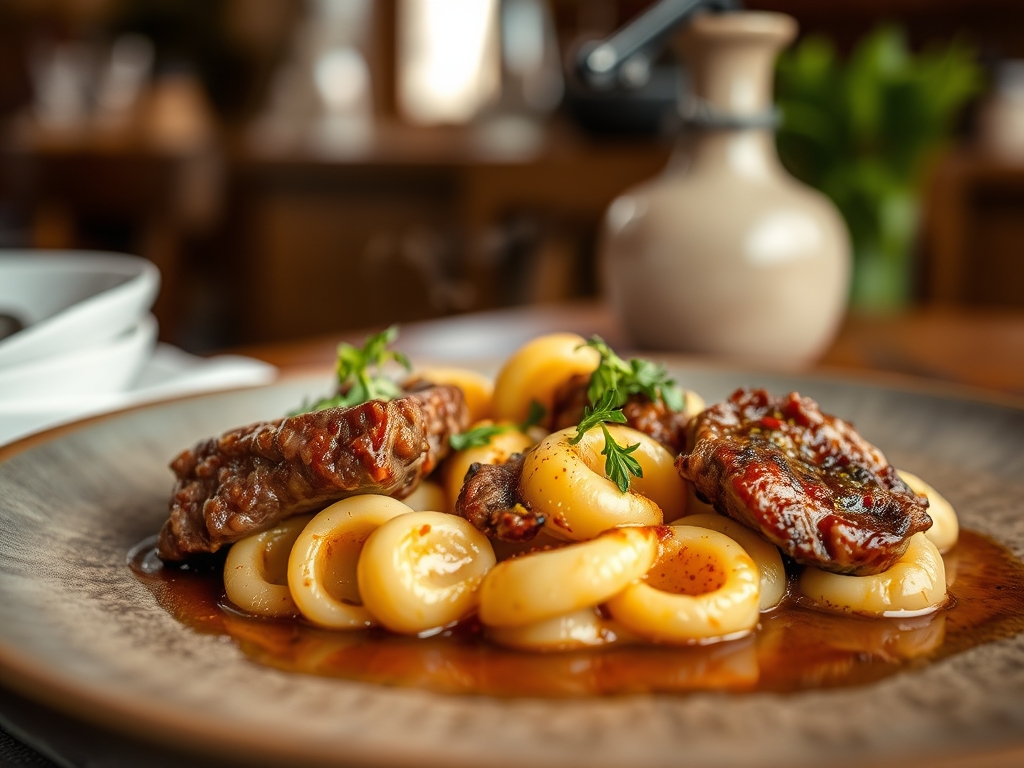
Picture a heavy-bottomed skillet where marble-sized pillows of potato dough meet the aggressive sear of prime ribeye. The kitchen fills with the scent of toasted butter and iron; it is the ultimate comfort. Mastering gnocchi and beef recipes requires a delicate dance between the high-heat Maillard reaction of the protein and the gentle hydration of the pasta.
Whether you are looking for a weeknight shortcut or a slow-braised Sunday project, the marriage of beef and gnocchi is a study in texture. You want the exterior of the beef to be crisp and deeply caramelized while the gnocchi remains light, airy, and capable of absorbing every drop of savory pan sauce. We are moving beyond basic red sauce into a realm of culinary precision where every ingredient serves a structural purpose.
The Gathers:
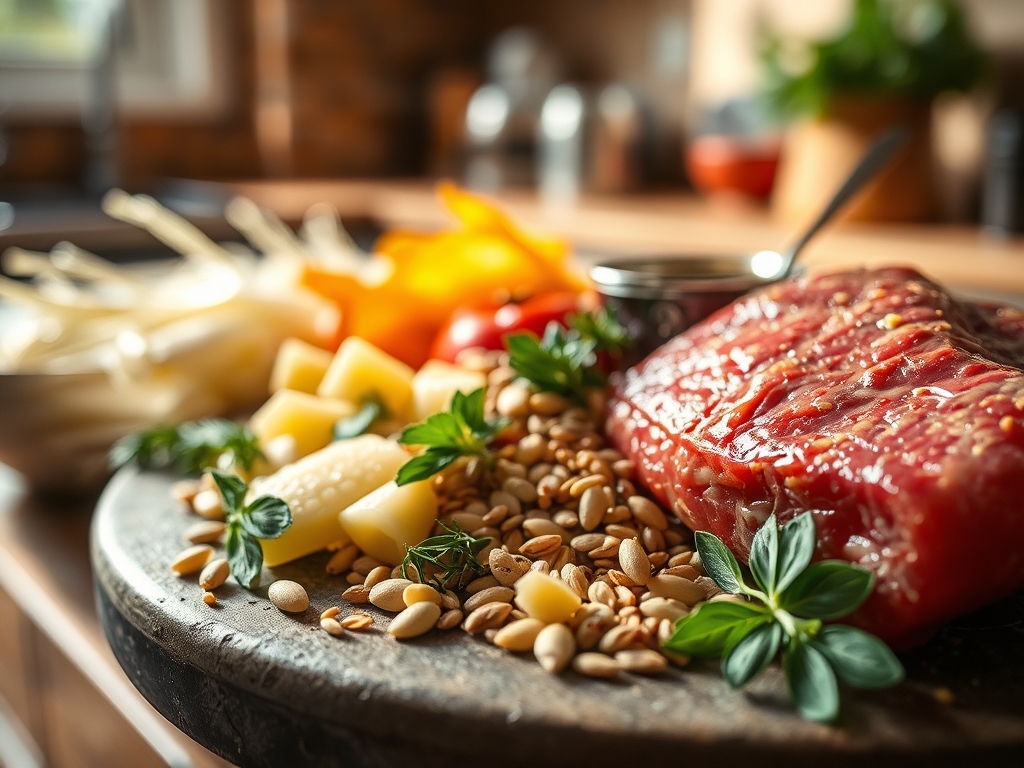
To execute these gnocchi and beef recipes with professional flair, your mise-en-place must be impeccable. Start with the beef; look for high intramuscular fat. A well-marbled ribeye or a lean but tender filet mignon works best for quick pan-sears, while chuck roast is the king of the slow braise due to its high collagen content.
For the gnocchi, the gold standard is the "Russet" potato. Its high starch and low moisture content ensure a fluffy interior. You will also need "00" flour for a silky crumb and egg yolks to act as a binder. Do not forget the aromatics: fresh rosemary, thyme, and garlic cloves smashed to release their essential oils. Use a microplane to zest lemon or grate hard cheeses like Pecorino Romano for a piquant finish.
Smart Substitutions:
If you are short on time, high-quality store-bought refrigerated gnocchi is a valid substitute; just ensure it is not the shelf-stable vacuum-sealed variety which can be rubbery. For the beef, if ribeye is too pricey, try "flat iron" steak. It is the second most tender cut on the cow and carries a deep, mineral flavor that holds up well against heavy sauces. If you need a non-alcoholic deglazing liquid, swap the traditional red wine for a high-quality beef bone broth infused with a tablespoon of balsamic vinegar to mimic the acidity.
The Clock: Chef's Flow
Timing is the difference between a Michelin-star meal and a soggy mess. In the professional world, we call this the "Chef's Flow." For a quick-sear beef and gnocchi dish, your total active time is roughly 35 minutes.
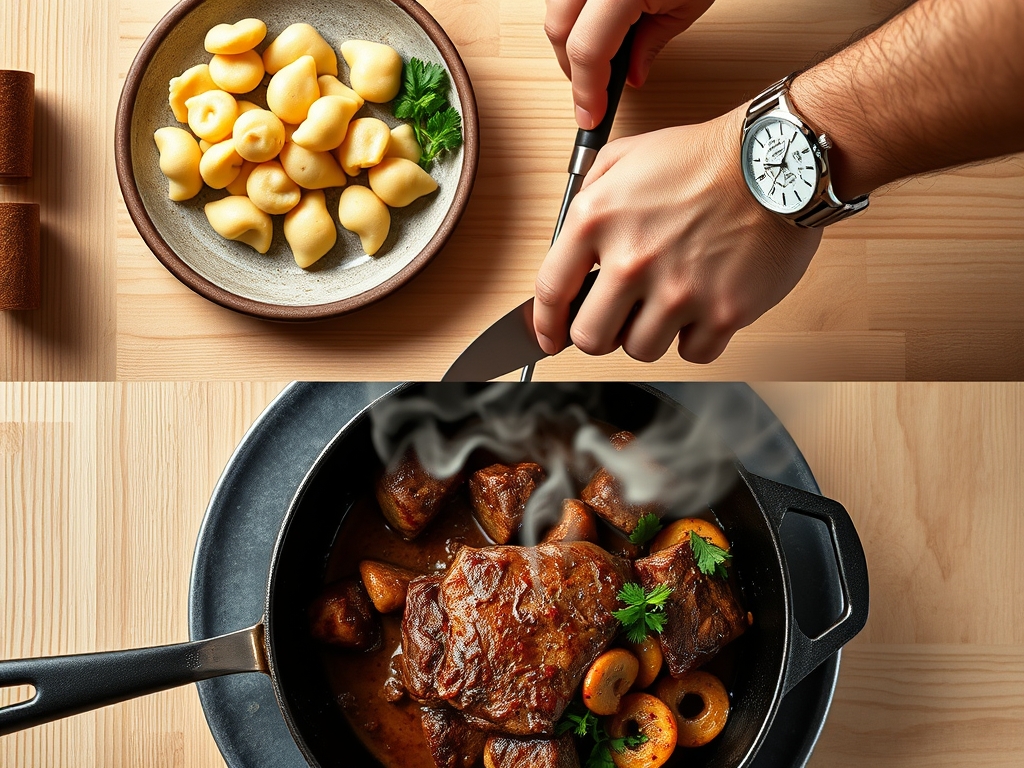
The first 15 minutes are dedicated to prep: cubing the beef, finely mincing aromatics with a sharp chef's knife, and bringing your pasta water to a rolling boil. The cooking phase takes 15 to 20 minutes. You must sear the beef first to allow for proper resting; this prevents the juices from leaching out and thinning your sauce. While the beef rests, you boil the gnocchi. They take only 2 to 3 minutes to float. The final 5 minutes are for the "marriage," where you toss the gnocchi into the beef pan to emulsify the fats and liquids into a viscous coating.
The Masterclass:
1. Temper and Prep the Protein
Remove your beef from the refrigerator at least 30 minutes before cooking. Use a digital scale to portion the meat into uniform 1-inch cubes. Pat the surface bone-dry with paper towels to ensure a perfect sear.
Pro Tip: This stage utilizes thermal equilibrium. If you drop cold meat into a hot pan, the temperature plunges, causing the meat to steam in its own juices rather than sear. A dry surface is essential for the Maillard reaction, the chemical reaction between amino acids and reducing sugars that gives browned food its distinctive flavor.
2. The High-Heat Sear
Heat a heavy-bottomed skillet until it is shimmering. Add a high-smoke-point oil like avocado or grapeseed oil. Use tongs to place the beef in the pan, ensuring you do not overcrowd it. Sear for 2 minutes per side until a dark crust forms.
Pro Tip: Avoid moving the meat too soon. You want to achieve enzymatic browning. Moving the beef prematurely breaks the contact required for heat transfer, resulting in a grey, unappealing exterior.
3. Deglaze and Infuse
Remove the beef and set it aside on a warm plate. Lower the heat and add your aromatics. Once fragrant, pour in your liquid (wine or broth) and use a wooden spoon to scrape the "fond" (the brown bits) off the bottom of the pan.
Pro Tip: Deglazing is a lesson in solubility. The flavorful compounds stuck to the pan are soluble in alcohol and water. By scraping them into the sauce, you are capturing concentrated "umami" that defines high-end gnocchi and beef recipes.
4. The Gnocchi Float
Drop your gnocchi into salted boiling water. As soon as they rise to the surface, use a spider strainer to transfer them directly into the skillet with the sauce.
Pro Tip: This is called starch suspension. By moving the gnocchi directly from the water to the pan, you bring along a small amount of starchy pasta water. This water acts as an emulsifier, helping the fat from the beef and butter bind into a smooth, glossy sauce.
5. The Emulsion and Finish
Add a knob of cold butter to the pan and toss vigorously. The goal is to create a "manteca" or a creamy finish without using actual cream. Toss in the beef and any accumulated juices.
Pro Tip: This relies on mechanical emulsification. The cold butter contains milk solids that, when agitated quickly into the hot sauce, create a stable fat-in-water emulsion that coats each gnocchi perfectly.
The Deep Dive:
Macro Nutrition:
A standard serving of beef and gnocchi provides a robust balance of macronutrients. You are looking at approximately 35 grams of protein, 45 grams of carbohydrates, and 18 grams of fat. It is a high-energy meal, perfect for post-workout recovery or a cold winter evening.
Dietary Swaps:
For a gluten-free version, use gnocchi made from cauliflower or almond flour. If you are leaning toward a keto profile, swap the gnocchi entirely for "zoodles" or roasted radishes, though the texture will change significantly. For a vegan "beef" alternative, use seitan chunks seared in the same manner to mimic the chew of steak.
The Fix-It:
- Gummy Gnocchi: This happens when you overwork the dough or overboil. Fix it by pan-frying the gnocchi in butter after boiling to create a crisp "skin."
- Broken Sauce: If your sauce looks oily and separated, whisk in a tablespoon of hot pasta water and a cold pat of butter to re-emulsify.
- Tough Beef: If you overcooked the steak, slice it very thin against the grain before serving to break up the muscle fibers and make it easier to chew.
Meal Prep & Reheating:
Gnocchi and beef recipes are notorious for getting soggy in the microwave. To reheat, use a small skillet over medium heat with a splash of water or broth. This "re-hydrates" the starch without making the gnocchi mushy, maintaining that day-one quality.
The Wrap-Up:
Mastering gnocchi and beef recipes is about more than just following a list of steps; it is about understanding the physics of the pan. From the aggressive sear of the beef to the gentle emulsion of the sauce, you are orchestrating a complex series of chemical reactions. Remember to trust your senses: listen for the sizzle, watch for the "float," and always taste for seasoning. Now, grab your favorite skillet and turn these scientific principles into a masterpiece.
The Kitchen Table:
How do I keep gnocchi from sticking together?
Ensure your water is at a rolling boil before adding the pasta. Use a large pot to give them space and stir gently immediately after dropping them in. Adding a teaspoon of olive oil to the water can also help.
What is the best cut of beef for gnocchi?
For quick sauces, use ribeye or sirloin for tenderness. For long-simmered ragus, choose chuck roast or short ribs. The high collagen in tougher cuts breaks down into gelatin, creating a rich, velvety sauce that clings to the gnocchi.
Can I make gnocchi dough in advance?
Yes, but do not refrigerate the raw dough for long as it turns grey and gummy. It is better to shape the gnocchi, freeze them on a sheet tray, and then transfer them to a bag for long-term storage.
Why are my gnocchi falling apart in the water?
This usually indicates too little flour or too much moisture in the potatoes. Ensure you use starchy Russets and flour the surface well. If the dough feels tacky, add a tablespoon of flour at a time until it is workable.