
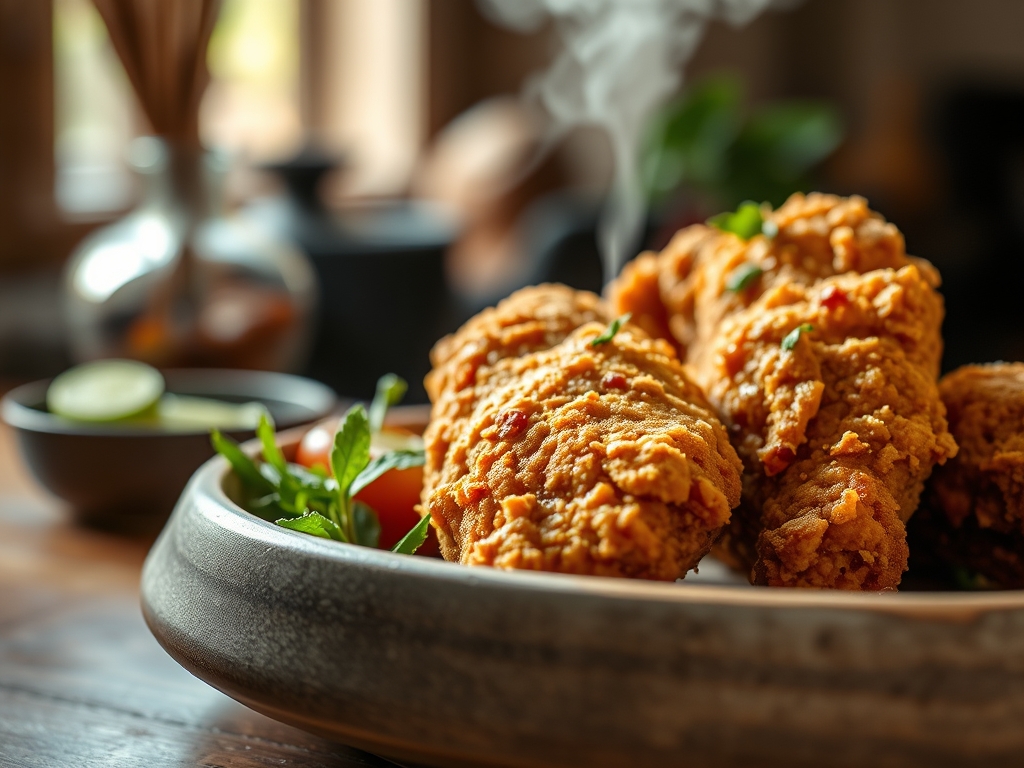
The sound hits first: a violent, satisfying crackle as cold, buttermilk-soaked chicken meets 350°F peanut oil, protein chains seizing and starches exploding into a golden armor. That initial sizzle signals the start of the Maillard reaction, the same browning cascade that defines every legendary batch of country fried chicken recipes across the American South. This isn't just comfort food. It's applied chemistry, where brine osmosis, gluten development, and controlled heat transform humble chicken thighs into crackling, juice-locked perfection. The ten hacks that follow strip away guesswork, replacing tradition with replicable technique. Each adjustment compounds: deeper seasoning penetration, crispier crust architecture, foolproof doneness. Master these variables and you control every outcome, from crust shatter to internal temp, every single time.
The Gathers
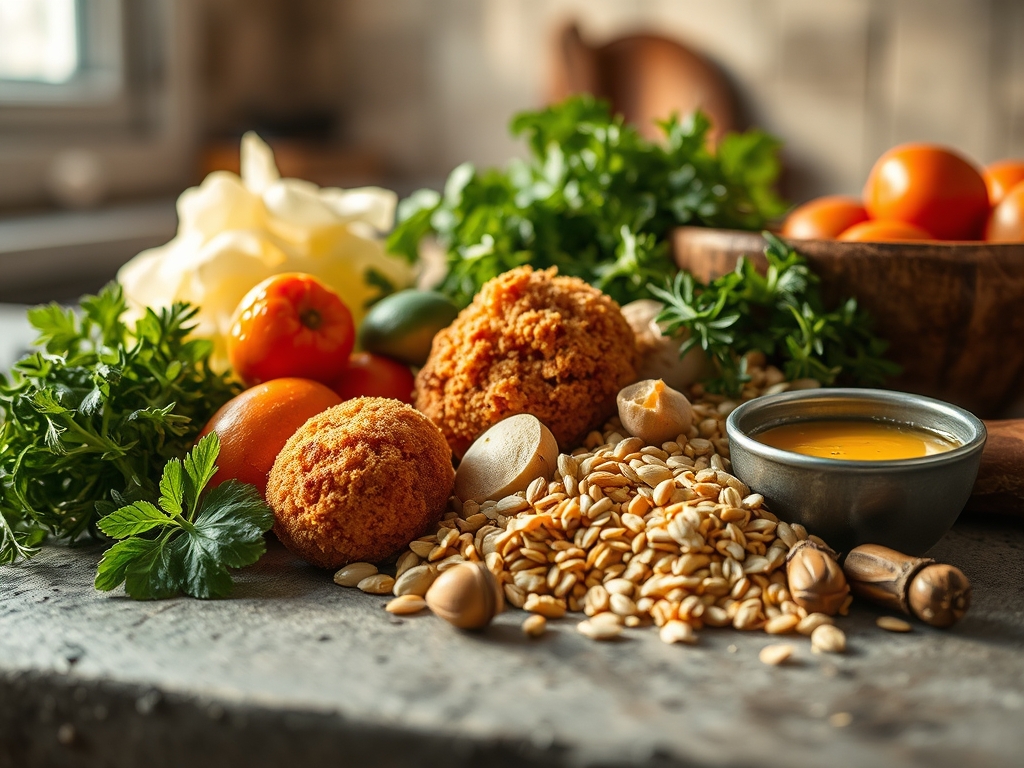
As you see in the ingredient spread below, bone-in chicken thighs (1.8 kg) anchor the roster, skin-on for maximum fat rendering. Buttermilk (480 ml) brings lactic acid for tenderization and tang. All-purpose flour (300 g) builds the foundation, while cornstarch (60 g) adds fracture to the crust. Kosher salt (18 g), black pepper (6 g), smoked paprika (8 g), garlic powder (5 g), and cayenne (2 g) layer into both brine and dredge. Two eggs bind the coating. Peanut oil (1.5 L) holds steady heat and a high smoke point of 232°C.
Smart Substitutions: Swap thighs for drumsticks if you prefer grabbable formats. Replace buttermilk with whole milk plus 15 ml white vinegar, rested 10 minutes. Use rice flour for gluten-free crunch or substitute avocado oil if peanut allergies apply.
The Clock
Prep time: 25 minutes (brine assembly, dredge station setup, chicken portioning).
Cook time: 18 minutes per batch (frying + resting).
Total time: 1 hour 15 minutes for 8 pieces across two batches.
Chef's Flow: While the first batch fries, prepare your wire rack and secondary dredge station. Stagger chicken pulls from the brine so each piece hits the oil at identical hydration. Overlap your gravy or side dish prep during the 10-minute post-fry rest, banking carry-over heat to finish the crust.
The Masterclass
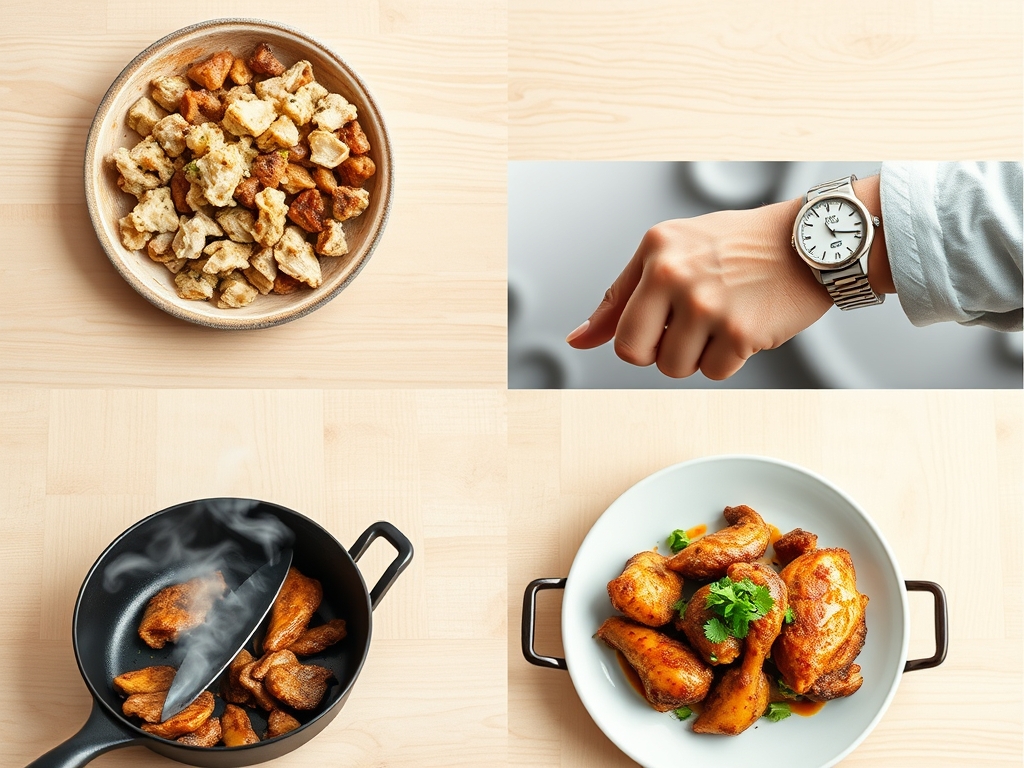
Step 1: Brine for Moisture Lock
Submerge chicken in buttermilk spiked with half your salt and spice blend. Refrigerate 4 hours minimum, up to 24.
Why It Works: Lactic acid denatures surface proteins, creating channels for seasoning migration. Salt draws water into muscle fibers via osmosis, pre-hydrating the meat before heat exposure.
Step 2: Build the Tri-Layer Dredge
Whisk flour, cornstarch, and remaining spices in a wide pan. In a second bowl, beat eggs with 30 ml buttermilk.
Chef's Secret: Drizzle 45 ml of the wet buttermilk brine directly into the dry mix, rake with a fork to create shaggy clusters. These pebbles fry into craggy peaks, maximizing surface area and crunch.
Step 3: Double-Dip Protocol
Pat chicken semi-dry. Dredge in flour, dunk in egg wash, return to flour, pressing to adhere clusters.
Why It Works: The egg proteins coagulate at 63°C, forming a glue layer. The second flour coat bonds to this matrix, preventing blowouts during the fry.
Step 4: Temp and Time the Oil
Heat peanut oil in a 30 cm cast-iron skillet to exactly 163°C. Use a probe thermometer, not intuition.
Chef's Secret: Starting at 163°C compensates for the 15°C drop when cold chicken enters. The oil rebounds to 175°C, the sweet spot for crust formation without scorching.
Step 5: Fry in Geometry
Arrange 4 thighs skin-side down, largest pieces at the pan's center where heat concentrates. Fry 9 minutes, flip, fry 8 minutes.
Why It Works: Convection currents are strongest mid-pan. Larger mass benefits from sustained contact. The asymmetric timing accounts for heat retained in the skillet's iron mass after the flip.
Step 6: Probe and Rest
Pull at an internal temp of 72°C (carryover will add 3°C). Rest on a wire rack 10 minutes.
Chef's Secret: Note the texture shown in the step-by-step photos. Steam escaping through the rack prevents sogginess. The crust firms as starches retrograde, locking in shatter.
Nutritional Info
Per thigh (estimated):
Calories: 420
Protein: 28 g
Fat: 26 g (saturated: 6 g)
Carbohydrates: 18 g
Sodium: 680 mg
The double-dredge and frying method increases caloric density but delivers unmatched satiety. Bone-in cuts retain more gelatin and flavor compounds than boneless alternatives.
Dietary Swaps
Keto: Replace flour with almond meal (180 g) and pork rind dust (60 g). Maintain the egg wash. Net carbs drop to 4 g per thigh.
Gluten-Free: Substitute with rice flour (240 g) and tapioca starch (60 g). The crust will be lighter but equally crisp.
Vegan: Use lion's mane mushroom steaks, aquafaba egg wash, and nutritional yeast in the dredge. Fry at 163°C for 6 minutes per side.
Serving & Presentation
Rustic Family Style: Pile on a parchment-lined wood board with pickles, hot sauce, and biscuits.
Refined Plate: Slice thigh, fan over creamy grits, drizzle with hot honey, garnish with micro greens.
Sandwich Build: Tuck whole thigh into a brioche bun with bread-and-butter pickles, shredded iceberg, and comeback sauce.
The Pro-Dodge
Pitfall 1: Soggy Crust
Fix: Never cover fried chicken. Steam is the enemy. Use a wire rack, not paper towels, to rest.
Pitfall 2: Raw Centers
Fix: Thighs over 200 g need a finishing oven stint. After frying, transfer to a 180°C oven for 5 minutes.
Pitfall 3: Burnt Exterior, Cold Core
Fix: Your oil is too hot. Recalibrate to 163°C start temp. Invest in a clip-on thermometer for real-time monitoring.
The Meal Prep Corner
Storage: Cool completely. Stack in an airtight container with parchment between layers. Refrigerate up to 3 days.
Reheating for Day-One Quality: Preheat oven to 200°C. Place chicken on a wire rack over a sheet pan. Heat 12 minutes, flipping halfway. The dry heat re-crisps the crust without steaming the interior. Avoid microwaves; they turn crust to rubber.
The Wrap-Up
These ten hacks replace chance with control, giving you command over crust physics, moisture retention, and flavor layering in your country fried chicken recipes. Each technique stacks: better brine penetration, engineered dredge texture, precision frying temps. The result is chicken that crackles on contact, juice flooding the first bite, seasoning balanced from surface to bone. Cook one batch using these methods and the difference is undeniable. Share your crispiest success (or your best disaster story) in the comments. We troubleshoot together.
The Kitchen Table
Q: Can I use chicken breasts instead of thighs?
A: Yes, but reduce fry time to 6 minutes per side and pull at 74°C. Breasts lack the connective tissue that keeps thighs juicy, so brine for the full 24 hours to compensate.
Q: What's the best oil for country fried chicken recipes?
A: Peanut oil balances a high smoke point (232°C) with neutral flavor. Refined avocado oil (271°C) works if allergies are a concern. Avoid olive oil; it breaks down under sustained heat.
Q: How do I make the crust extra crispy?
A: Add 30 g cornstarch to your flour blend and create shaggy clusters by drizzling wet brine into the dry mix. The increased surface area fries into deeper crunch.
Q: Can I fry frozen chicken?
A: Never. Ice crystals turn to steam, causing violent oil splatter and uneven cooking. Thaw completely in the refrigerator, then proceed with the brine.
Q: How do I keep multiple batches warm without losing crispness?
A: Hold finished chicken in a 95°C oven on a wire rack. The low, dry heat maintains temp without steaming the crust. Serve within 30 minutes for peak texture.