
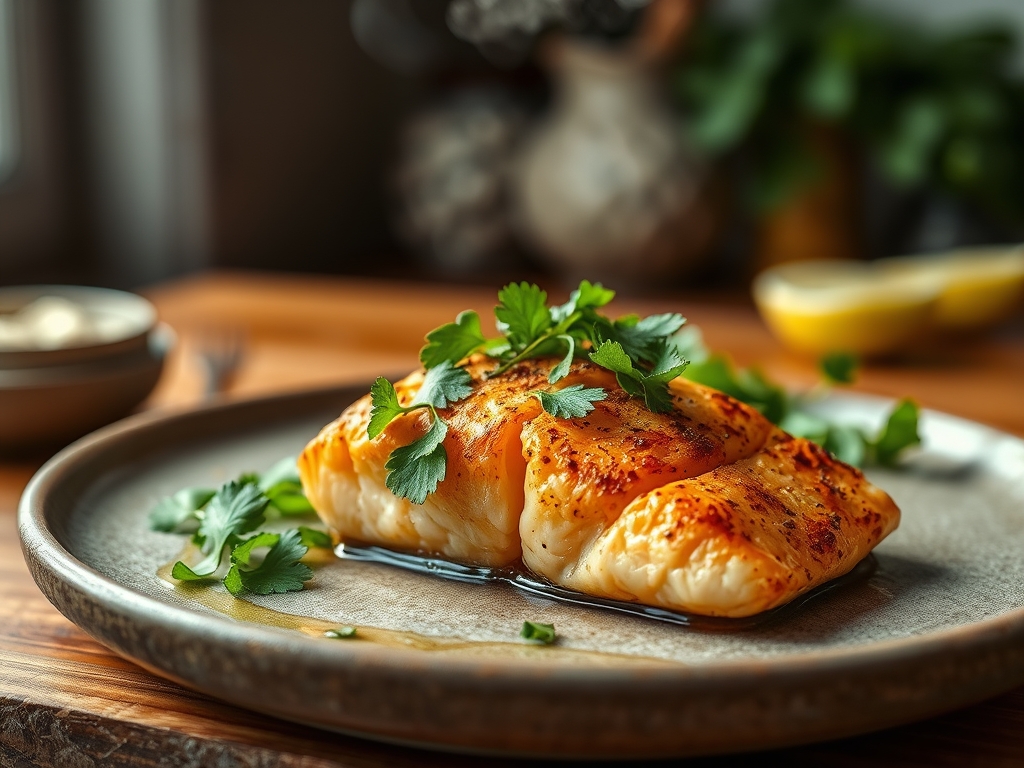
Close your eyes and imagine the sound of a cold, heavy-bottomed skillet meeting a high-heat flame. There is a specific, rhythmic sizzle that happens when cold protein hits hot fat; it is the sound of the Maillard reaction beginning its chemical magic. When you are hunting for the ultimate cilantro lime salmon recipes, you are not just looking for a meal. You are looking for that perfect, crystalline balance between the fatty richness of Omega-3 oils and the piquant, citrus-driven brightness that cuts through the weight of the fish. This dish is a masterclass in contrast. It is the marriage of earthy, herbaceous notes and the sharp, acidic snap of fresh lime juice. We are going to transform a simple fillet into a restaurant-grade masterpiece by focusing on the molecular behavior of the ingredients. Whether you are hosting a frantic Tuesday dinner or a slow Saturday feast, these secrets will ensure your salmon is never dry, never dull, and always perfectly glazed. Let us get your kitchen smelling like a coastal paradise.
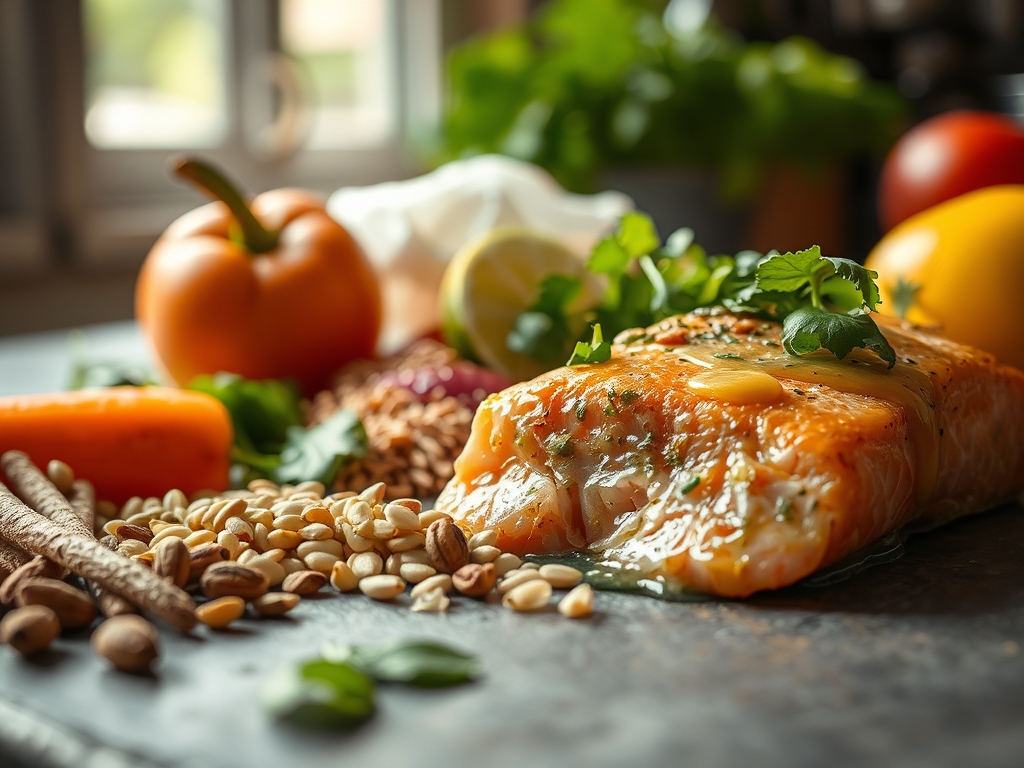
The Gathers:
Before we ignite the burner, we must respect the mise-en-place. Use a bench scraper to organize your workstation. You will need 1.5 pounds of center-cut Atlantic or King salmon. Look for deep pigmentation and firm flesh; this indicates a high concentration of astaxanthin, the antioxidant that gives salmon its hue. For the aromatics, grab a large bunch of cilantro. We are using the stems too because they contain the highest concentration of essential oils. You will also need four juicy limes, three cloves of garlic, and a high-smoke-point fat like avocado oil or clarified butter.
The Flavor Profile:
- The Acid: Fresh lime juice provides the citric acid necessary to denature surface proteins, creating a "quick-cure" effect that helps the crust form.
- The Herb: Cilantro offers a floral, peppery finish. If you are one of those people whose genetics make cilantro taste like soap, do not panic.
- The Fat: Use a viscous honey or agave to act as a binder. This creates an emulsion that clings to the fish rather than sliding off into the pan.
Smart Substitutions:
If you lack lime, a Meyer lemon offers a sweeter, more floral acidity. For the "cilantro-averse" crowd, a blend of Italian flat-leaf parsley and fresh mint provides a similar herbaceous lift without the aldehyde profile that triggers the soapy taste. If you are watching sugar intake, replace the honey with a monk fruit syrup to maintain that vital glaze consistency.
The Clock
Efficiency in the kitchen is about "Chef's Flow," which means minimizing dead time. Total active prep time is exactly 12 minutes. You will spend 5 minutes on the herb-citrus emulsion and 7 minutes on fish fabrication. The cooking process is a rapid 8 to 10 minutes depending on the thickness of your fillets.
Total time from fridge to table is roughly 25 minutes. To maximize flow, preheat your heavy-bottomed skillet or cast iron pan for at least five minutes on medium-high. A cold pan is the enemy of a crisp skin. While the pan gathers thermal energy, you can infuse your honey and garlic, allowing the flavors to marry before they ever touch the heat.
The Masterclass
1. The Surface Prep
Pat your salmon bone-dry with paper towels. Moisture is the enemy of the sear. If the surface is damp, the heat will go toward evaporating water (steaming) rather than browning the protein. Season aggressively with kosher salt from a height of twelve inches to ensure even distribution.
Pro Tip: This is called hygroscopy. Salt draws moisture out of the cells. By drying the surface and then salting, you create a concentrated brine that re-absorbs into the muscle fibers, seasoning the fish from the inside out while keeping the exterior dry for a better crust.
2. The Zest and Emulsion
Use a microplane to zest two limes directly into a small saucier. Add your minced cilantro, honey, and pressed garlic. Whisk in a tablespoon of oil to create a stable emulsion. Do not add the lime juice yet; we want to keep the pH stable until the last possible second to prevent the fish from turning mushy.
Pro Tip: Essential oils are fat-soluble. By mixing the lime zest and cilantro into the oil first, you aerate the aromatics and lock the flavor molecules into the fat, ensuring every bite tastes like lime rather than just smelling like it.
3. The Sear
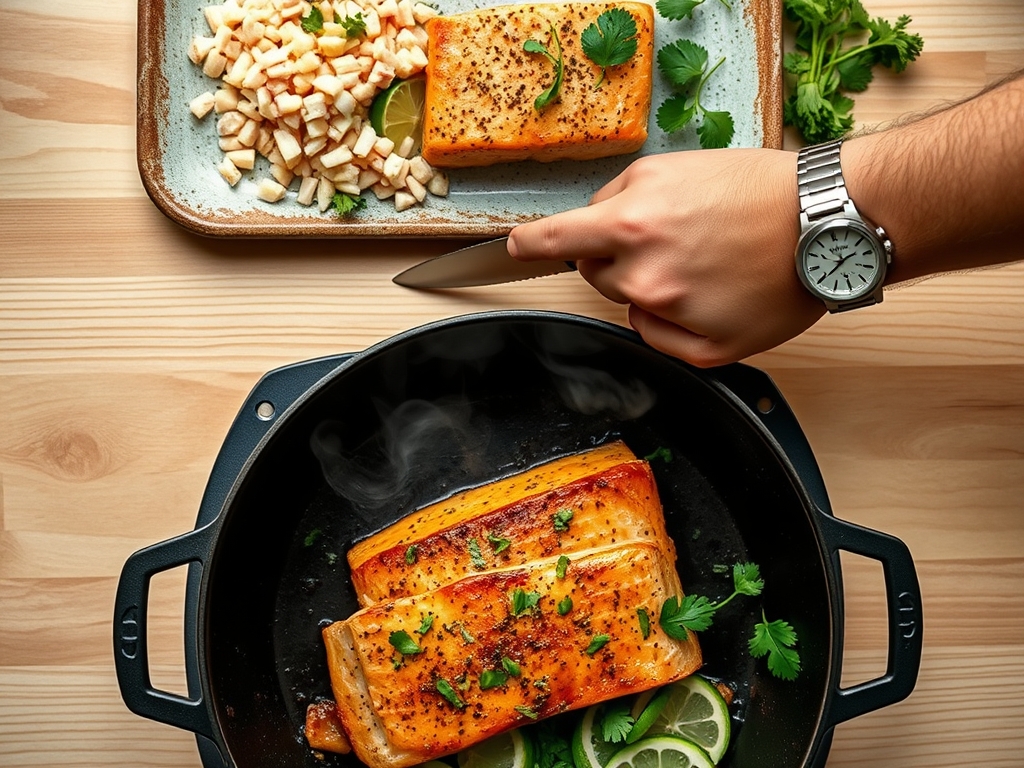
Place the salmon skin-side down in the hot oil. Use a fish spatula to press down firmly for the first 30 seconds. This prevents the skin from curling as the collagen fibers contract. Cook for 5 to 6 minutes without moving it. You are looking for the "release" point where the skin naturally detaches from the metal.
Pro Tip: This is thermal conduction. By keeping the skin side down for 80 percent of the cooking time, the skin acts as a heat shield. This protects the delicate flesh from overcooking while the fat underneath begins to render, resulting in a potato-chip-crisp texture.
4. The Glaze and Flip
Flip the fish gently. Immediately pour your cilantro-lime mixture into the pan. It will bubble and hiss as the sugars in the honey begin to caramelize. Use a spoon to baste the liquid over the top of the salmon for the final 60 seconds.
Pro Tip: This stage involves enzymatic browning. The honey and lime juice react with the heat to create a complex glaze. The acidity of the lime deglazes the pan, picking up any "fond" (browned bits) and incorporating them back into the sauce for maximum depth.
5. The Carryover Rest
Remove the salmon from the pan when the internal temperature hits 125 degrees Fahrenheit. Place it on a warm plate and let it sit for 3 minutes. Do not skip this.
Pro Tip: Thermal carryover will continue to cook the fish even after it leaves the pan. The internal temperature will rise another 5 to 7 degrees. Resting allows the muscle fibers to relax and reabsorb the juices, ensuring the fillet is succulent rather than dry.
6. The Final Brightness
Squeeze fresh lime juice over the rested fillets and garnish with a final dusting of fresh cilantro. The heat of the fish will slightly wilt the herbs, releasing one last burst of fragrance.
Pro Tip: High heat destroys the delicate volatile compounds in fresh herbs. Adding a secondary "raw" layer of cilantro and lime at the end restores the top notes of the dish that were lost during the searing process.
The Deep Dive
From a nutritional standpoint, this is a powerhouse meal. A standard 6-ounce serving provides roughly 34 grams of high-quality protein and is rich in Vitamin B12 and Potassium. For those on a Keto protocol, swap the honey for a touch of liquid stevia or simply omit the sweetener entirely; the lime and garlic provide enough flavor to carry the dish. Vegan friends can apply this exact cilantro-lime emulsion technique to thick slabs of cauliflower or firm tofu with excellent results.
The Fix-It:
- The Skin is Soggy: You likely moved the fish too early or the pan wasn't hot enough. Next time, wait for the "whisps of smoke" stage before adding the oil.
- The Garlic is Bitter: You burned it. Add the garlic-heavy glaze only in the final minute of cooking to prevent the sulfur compounds from turning acrid.
- White Gunk on the Fish: That is albumin, a protein that pushes out when salmon cooks too fast or too long. Lower your heat slightly and pull the fish earlier.
Meal Prep Magic:
If you are reheating this for lunch, do not use a microwave; it will turn the salmon into rubber. Instead, use a "low and slow" approach in a toaster oven at 275 degrees with a splash of water covered in foil. This creates a mini-steam chamber that restores the moisture without over-coagulating the proteins.
The Wrap-Up
Mastering cilantro lime salmon recipes is about more than just following a list of ingredients. It is about understanding how heat, acid, and fat interact to create something greater than the sum of its parts. By respecting the sear and timing your glaze perfectly, you transform a simple piece of seafood into a vibrant, restaurant-quality experience. Now, grab your tongs, fire up that skillet, and let the chemistry do the heavy lifting. Your kitchen is officially open for business.
The Kitchen Table
How do I keep the salmon from sticking?
Ensure your pan is preheated until the oil shimmers. Pat the fish completely dry before seasoning. Once the salmon hits the pan, do not touch it for at least four minutes; it will release naturally once the crust forms.
Can I use frozen salmon for this?
Yes, but thaw it completely in the refrigerator first. Pat it extra dry with paper towels, as frozen fish tends to release more moisture. This prevents the fish from steaming in the pan instead of searing.
What is the best side dish for this?
A light, coconut-infused jasmine rice or a charred corn salad complements the lime. The starch absorbs the extra glaze, while the sweetness of the corn balances the piquant acidity of the cilantro-lime emulsion.
How long does leftovers stay fresh?
Store cooked salmon in an airtight container for up to two days. For the best quality, eat it cold over a salad or gently reheat it using the "low and slow" foil method to maintain its moisture.