
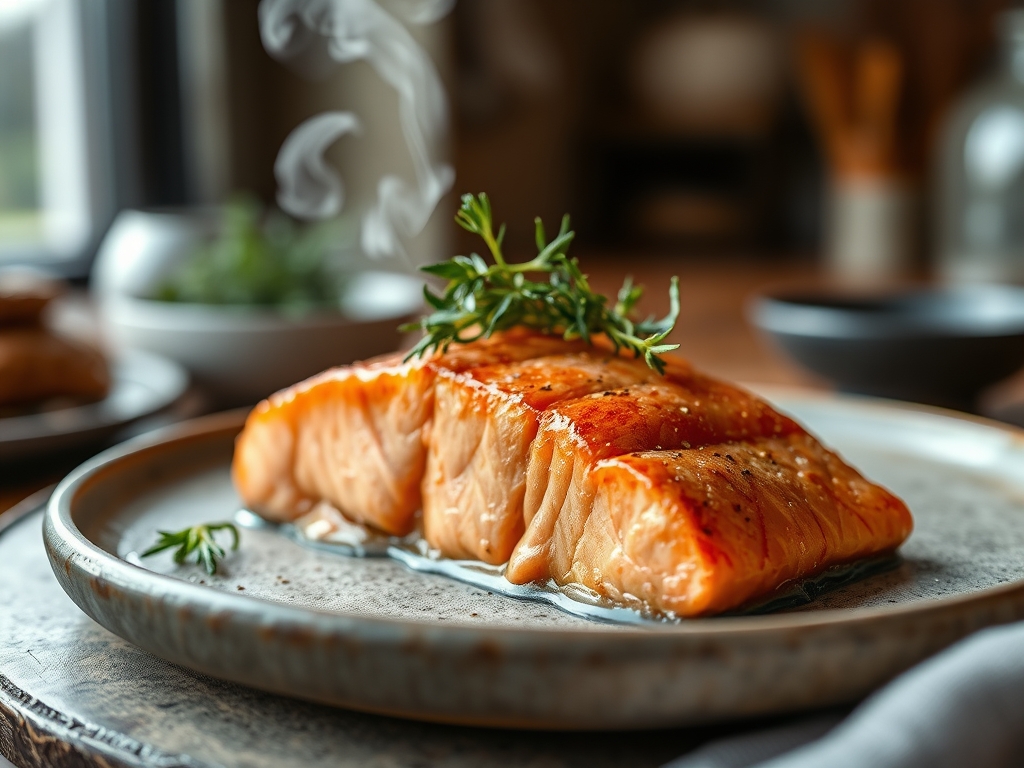
Close your eyes and imagine the scent of cold, rushing glacial water meeting the sharp, savory aroma of a searing cast iron pan. That is the magic of sockeye. If you have been searching for wild sockeye salmon recipes that actually deliver on that restaurant-quality crust and buttery interior, you have arrived at the right place. We are moving beyond basic baking to master the chemistry of the deep red, omega-rich fillet that defines the Pacific Northwest.
Most home cooks treat sockeye like its cousin, the Atlantic salmon, but that is a fundamental error in physics. Sockeye is leaner, more muscular, and packed with astaxanthin, the antioxidant that gives it that iconic crimson hue. Because it lacks the heavy fat padding of farmed fish, it requires a surgical approach to heat. We are going to harness the Maillard reaction to create a shatter-crisp skin while keeping the internal proteins tender and translucent. Grab your apron and your favorite heavy-bottomed skillet; we are about to turn your kitchen into a high-end bistro where the science of flavor takes center stage.
The Gathers:
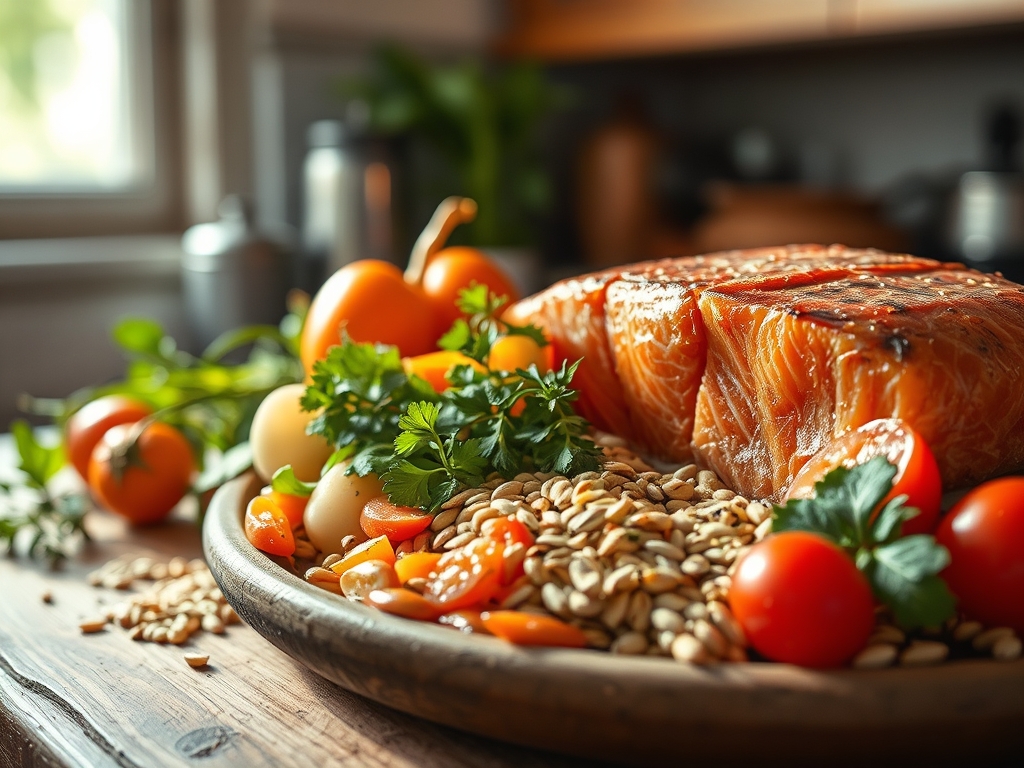
To execute these wild sockeye salmon recipes with precision, your mise-en-place must be flawless. Start with four six-ounce sockeye fillets, skin-on. You will need high-smoke-point fats; think avocado oil or clarified butter (ghee) rather than extra virgin olive oil, which will smoke and turn acrid at the temperatures we require. For the aromatics, gather fresh thyme, two smashed garlic cloves, and a lemon for zest.
Your tool kit is just as vital as your ingredients. You will need a digital scale to ensure uniform portioning, which guarantees even cooking across all fillets. A microplane is essential for creating a fine citrus zest that integrates into the crust without burning. Use a bench scraper to clean your board and keep your workspace sterile. For the actual cooking, a heavy-bottomed skillet (cast iron or carbon steel) is non-negotiable for heat retention.
Smart Substitutions: If you cannot find fresh sockeye, high-quality frozen-at-sea fillets work beautifully, provided they are thawed slowly in the refrigerator to prevent cellular rupture. If you are avoiding dairy, replace the butter baste with a viscous emulsion of coconut aminos and toasted sesame oil to provide that same mouthfeel and depth of flavor.
The Clock
The "Chef's Flow" is all about timing and thermal management. Total active prep time is exactly 12 minutes, which includes patting the fish dry and zesting your aromatics. The cooking phase is a rapid 6 to 8 minutes. However, the most overlooked phase is the 5-minute rest. This is not just a suggestion; it is a mechanical necessity for moisture retention.
In a professional kitchen, we operate on a "reverse-engineered" timeline. You want your side dishes (like a crisp fennel salad or roasted fingerling potatoes) to be 90 percent complete before the fish even touches the pan. Sockeye waits for no one. Once that skin hits the hot oil, the countdown begins. This rapid pace ensures the proteins do not over-coagulate, which results in that unsightly white albumin leaking out of the sides.
The Masterclass
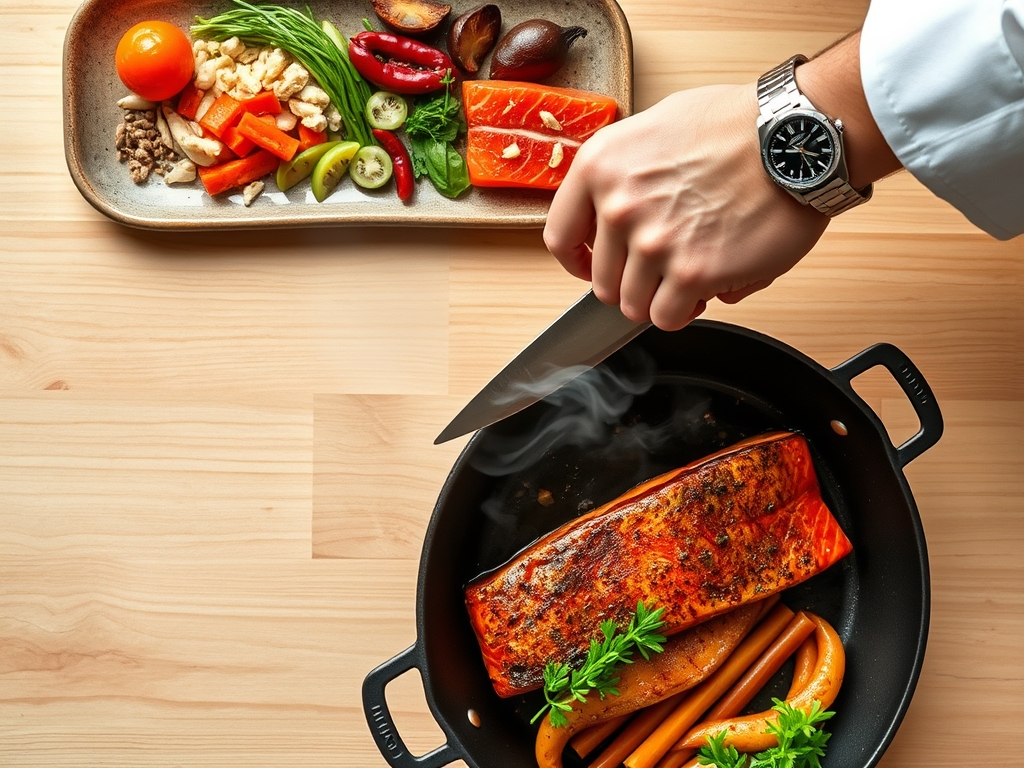
1. The Desiccation Ritual
Use a paper towel to press every microscopic drop of moisture from the skin side of the fish. Moisture is the enemy of the crunch. If the skin is damp, the heat will spend its energy evaporating water rather than browning the surface.
Pro Tip: This prevents "steam-shielding." When moisture is present, it creates a layer of steam between the fish and the pan, preventing the Maillard reaction and leaving you with rubbery, grey skin.
2. The Cold-Pan Press
Place your fillets skin-side down in a cold or room-temperature skillet before cranking the heat to medium-high. Use a flexible fish spatula to press down firmly for the first 30 seconds. This prevents the natural tendency of the skin to curl as the collagen fibers contract.
Pro Tip: This technique manages protein denaturation. By applying physical pressure, you ensure the entire surface area of the skin maintains contact with the heat source for a uniform, glass-like crust.
3. The Sizzling Infusion
Once the skin is crisp (about 4 minutes in), add a knob of ghee, your smashed garlic, and thyme. Use a large spoon to infuse the hot fat over the flesh side of the salmon. This is called "arrosé," a French technique that cooks the top of the fish gently without flipping it too early.
Pro Tip: This utilizes convection cooking within the pan. The hot fat carries the aromatic compounds of the herbs deep into the muscle fibers, creating a complex flavor profile that salt alone cannot achieve.
4. The Flip and Kiss
Flip the fish only once. The flesh side should only touch the pan for about 60 to 90 seconds. We are looking for a "medium-rare" finish where the center remains a vibrant, translucent orange.
Pro Tip: Watch for thermal carryover. The internal temperature will continue to rise by 5 to 7 degrees after you remove the fish from the pan. Pull it at 120 degrees Fahrenheit for a perfect 125-degree finish.
5. The Acidic Brightening
As the fish rests, use a saucier to whisk together the pan drippings with a squeeze of fresh lemon juice and a teaspoon of cold butter. This creates a quick pan sauce that cuts through the rich, oily nature of the sockeye.
Pro Tip: This is an emulsification process. The acid breaks down the heavy fats, while the cold butter provides a silky structure that coats the palate without feeling greasy.
6. The Final Rest
Place the fillets on a wire rack rather than a flat plate. This allows air to circulate around the skin, keeping it crisp while the internal juices redistribute throughout the muscle.
Pro Tip: This prevents capillary action from drawing moisture back into the skin. If you rest it on a flat surface, the bottom will steam and lose its hard-earned crunch.
The Deep Dive
Macro Nutrition: Wild sockeye is a nutritional powerhouse. A standard 6-ounce serving provides roughly 45 grams of high-quality protein and zero carbohydrates. It is exceptionally high in Vitamin D and B12, making it a functional food for brain health and metabolic efficiency.
Dietary Swaps: For a Keto version, serve over a bed of sautéed zoodles with a heavy lemon-caper butter sauce. For a Vegan alternative to the sauce, use an emulsion of tahini and lemon juice to mimic the creaminess of the pan sauce. This recipe is naturally Gluten-Free, provided you check your aromatics for cross-contamination.
The Fix-It:
- The White Goo: If you see white "beads" (albumin) on the fish, you cooked it too fast or too high. Fix: Lower the heat and pull the fish sooner next time.
- Sticking Skin: If the skin tears, you likely tried to flip it before the proteins naturally released. Fix: Wait for the fish to "self-release" from the pan surface.
- Dry Texture: Sockeye is lean. If it feels like sawdust, it is overdone. Fix: Always use a digital thermometer and aim for a 125-degree internal temperature.
Meal Prep: To reheat sockeye without ruining the texture, avoid the microwave at all costs. Instead, place it in a 275-degree oven with a splash of water and cover with foil. This creates a gentle steaming environment that revives the lipids without tightening the protein fibers.
The Wrap-Up
Mastering wild sockeye salmon recipes is a rite of passage for any serious home cook. It requires a balance of aggressive heat and delicate timing. By focusing on the science of the sear and the importance of the rest, you transform a simple piece of seafood into a culinary masterpiece. Remember, the best sockeye is the one handled with the least amount of fuss and the most amount of technical precision. Now, get that skillet screaming hot and show those fillets who is boss.
The Kitchen Table
How do I know when sockeye salmon is done?
Use a digital thermometer to check the thickest part of the fillet. Aim for 120 to 125 degrees Fahrenheit. The flesh should be opaque on the outside but still slightly translucent and vibrant orange in the very center.
Why is my salmon skin not getting crispy?
The most common culprit is surface moisture. You must pat the skin extremely dry with paper towels. Additionally, ensure your pan is sufficiently hot before adding the fish; the oil should be shimmering but not smoking excessively.
Can I cook sockeye salmon from frozen?
It is possible but not recommended for the best texture. Cooking from frozen often leads to uneven results, with a dry exterior and raw interior. For the best flavor, thaw slowly in the refrigerator for 12 to 24 hours.
What is the white stuff oozing out of my salmon?
That is albumin, a liquid protein that solidifies when heated. While safe to eat, it usually indicates the fish was cooked too quickly or to an internal temperature that is too high, causing the muscle fibers to contract and squeeze it out.