
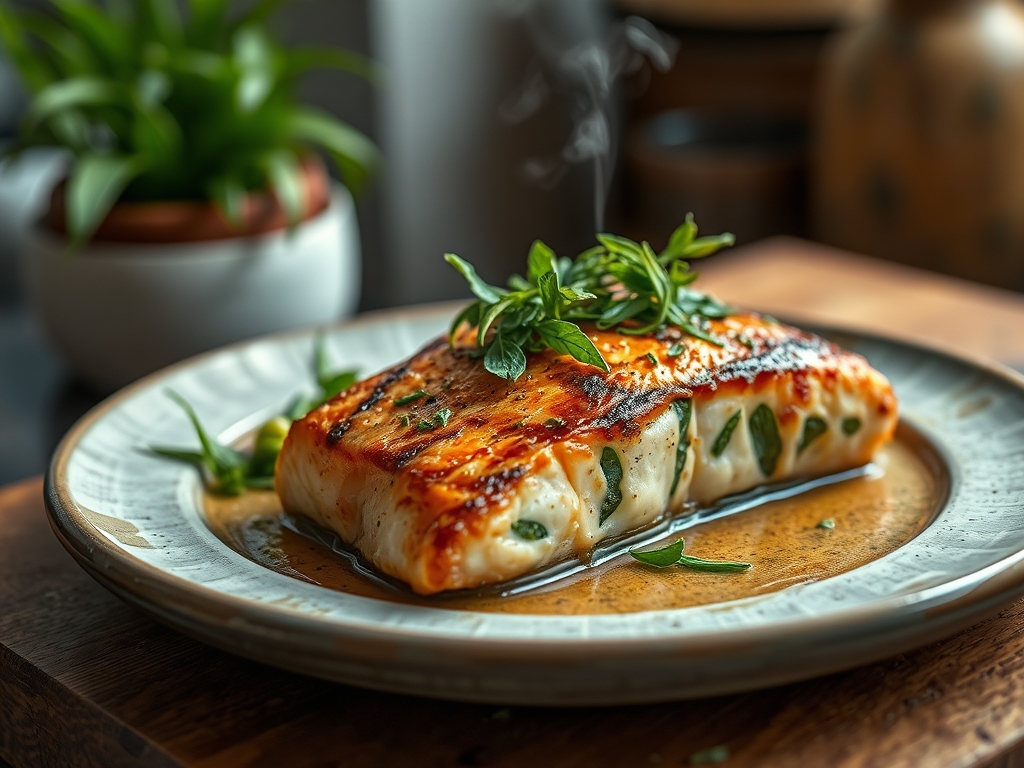
Imagine the scent of smoldering fruitwood mingling with the crisp, briny aroma of a fresh Atlantic fillet. There is a specific magic that happens when you lock the heavy ceramic lid of a kamado grill; it creates a pressurized convection oven that transforms standard fish into something transcendent. If you are hunting for the ultimate green egg salmon recipes, you have likely realized that this is not just grilling. It is an exercise in thermal engineering and moisture retention. We are chasing that perfect glass-like exterior and a translucent, buttery center that flakes at the mere suggestion of a fork. This is where high-tech heat meets primal smoke.
The Big Green Egg is uniquely suited for salmon because its thick ceramic walls act as a thermal battery. Unlike metal grills that fluctuate wildly, the Egg maintains a steady, viscous humidity that prevents the delicate proteins from tightening into a rubbery mess. We are going to master the art of the low-and-slow smoke while utilizing the grill's ability to provide a high-heat finish if we desire a crisp skin. Grab your favorite beverage and clear your counter; we are about to elevate your backyard game to a professional culinary standard.
The Gathers:
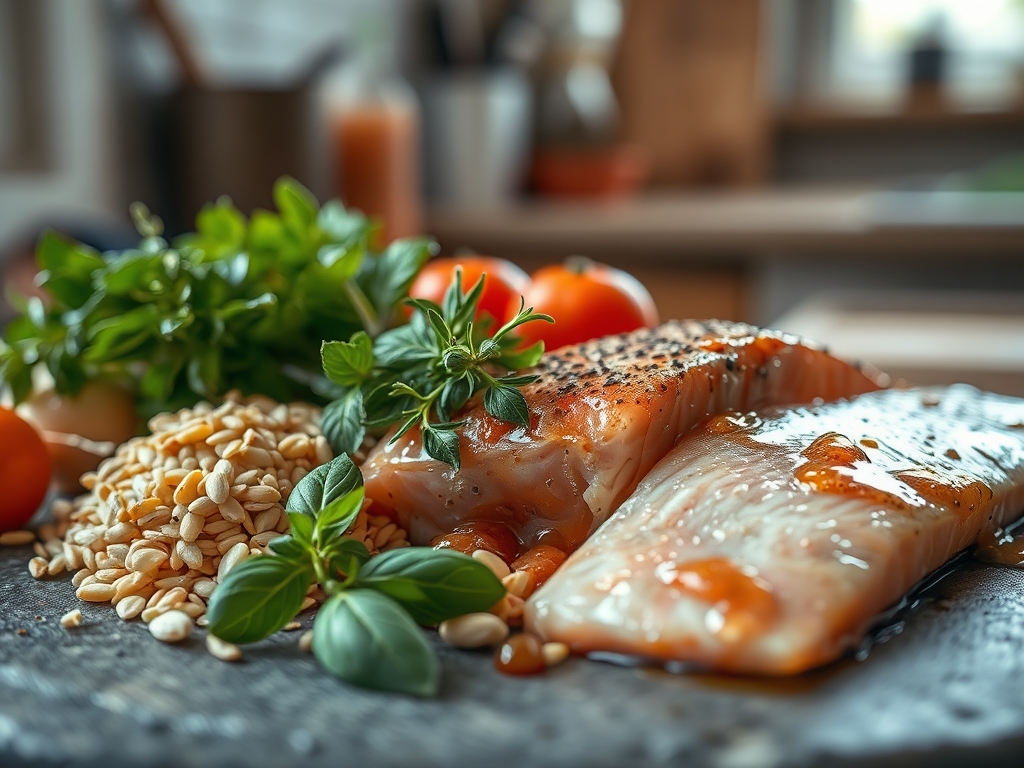
To achieve a five-star result, your mise-en-place must be precise. Start with a side of king or sockeye salmon, preferably center-cut for uniform thickness. You will need a digital scale to measure your dry brine components accurately. A standard ratio is three parts brown sugar to one part kosher salt. The sugar acts as a humectant, drawing moisture into the flesh, while the salt denatures the proteins to prevent albumin (that unappealing white gunk) from leaking out.
You will also need high-quality olive oil, fresh dill, and a lemon. Use a microplane to zest the lemon directly over the fish to capture the volatile oils without the bitter white pith. For the smoke profile, select alder or cherry wood chunks. Avoid mesquite; its piquant profile is far too aggressive for the subtle fats of the fish.
Smart Substitutions:
If you are avoiding refined sugar, coconut sugar offers a deep, earthy sweetness that caramelizes beautifully. For those who want a kick, substitute the black pepper with crushed Aleppo pepper to infuse a mild, fruity heat. If you lack fresh herbs, a high-quality dried tarragon can provide a similar anise-like complexity that cuts through the rich fat of the salmon.
The Clock
Efficiency in the kitchen is all about the Chef's Flow. This is the sequence of operations that ensures no component is waiting on another. Total active prep time is approximately 20 minutes, but you must account for the "Dry Brine Window."
- The Brine (30 to 60 minutes): This is non-negotiable. It allows the salt to penetrate the cellular structure.
- The Fire Up (20 minutes): While the fish brines, stabilize your Big Green Egg at 225 degrees Fahrenheit.
- The Smoke (45 to 60 minutes): This varies based on the thickness of the fillet and your desired internal temperature.
- The Rest (5 to 10 minutes): Essential for moisture redistribution.
Total time from fridge to table is roughly two hours. Do not rush the stabilization of the grill; ceramic takes time to heat soak, and a stable temperature is the difference between a moist fillet and a dry one.
The Masterclass
1. The Surface Preparation
Pat the salmon bone-dry using lint-free paper towels. Use a bench scraper to ensure the skin is free of any residual scales or moisture. Apply a thin layer of oil to act as a binder for your dry brine.
Pro Tip: This process encourages the formation of a pellicle; a tacky surface layer that allows smoke particles to adhere more effectively to the meat rather than just bouncing off.
2. The Precision Brine
Generously coat the flesh side with your salt and sugar mixture. Let it sit at room temperature. You will notice the surface becoming viscous as the salt draws out moisture and then re-absorbs it as a concentrated brine.
Pro Tip: This is osmotic diffusion. By pre-treating the fish, you are seasoning it from the inside out, which also firms up the texture for easier handling with tongs.
3. Stabilizing the Convection
Set up your Big Green Egg for indirect cooking using the ConvEGGtor (plate setter) with the legs facing up. Place a drip pan filled with a splash of apple juice on the plate setter to infuse the air with moisture.
Pro Tip: The plate setter blocks direct radiant heat, forcing the air to circulate around the fish. This mimics a professional convection oven and prevents the bottom of the fish from scorching.
4. The Smoke Infusion
Place your wood chunks directly onto the hot coals and wait for "blue smoke." Once the smoke is thin and translucent, place the salmon on the grate. Close the lid immediately to trap the aromatics.
Pro Tip: Thick white smoke contains creosote, which tastes like soot. Waiting for the "blue smoke" ensures you are getting the sweet, clean phenols from the wood.
5. Monitoring Internal Temps
Use a high-quality leave-in probe thermometer. We are aiming for an internal temperature of 135 degrees Fahrenheit for a perfect medium-rare to medium finish.
Pro Tip: Remember thermal carryover. The internal temperature will continue to rise by 3 to 5 degrees after you remove it from the grill. Pulling it at 135 ensures it hits that 140 sweet spot on the platter.
6. The Glaze Application
In the final 10 minutes of cooking, use a saucier to warm a mixture of maple syrup and Dijon mustard. Brush this over the salmon to create a glossy, piquant finish.
Pro Tip: This late application prevents the sugars in the glaze from burning, while still allowing enough time for the heat to aerate the volatile compounds in the mustard.
7. The Resting Phase
Transfer the salmon to a warm platter. Tent it loosely with foil; do not wrap it tightly or you will steam the skin and lose that beautiful texture we worked so hard to achieve.
Pro Tip: Resting allows the muscle fibers to relax and reabsorb the rendered fats, ensuring that the juices stay in the fish rather than spilling onto the cutting board.
The Deep Dive
Macro Nutrition:
Salmon is a nutritional powerhouse, rich in Omega-3 fatty acids (EPA and DHA) which are essential for heart health. A standard 6-ounce serving provides roughly 34 grams of high-quality protein and zero carbohydrates, making it a staple for metabolic health.
Dietary Swaps:
For a Keto version, replace the brown sugar in the brine with erythritol or simply use a savory rub of lemon peel, garlic powder, and smoked paprika. To make this Vegan, apply these same smoking techniques to thick "steaks" of cauliflower or firm tofu, though cooking times will reduce by half. This recipe is naturally Gluten-Free, provided your spices are not processed with wheat-based anti-caking agents.
The Fix-It:
- White Albumin Leaking: This means the heat was too high. Fix: Lower the temp and ensure your brine time was at least 30 minutes next time.
- Skin Sticking to Grate: This happens if the grate wasn't cleaned. Fix: Use a bench scraper to slide under the skin, or cook the salmon on a bed of sliced lemons.
- Acrid Smoke Taste: You used too much wood or "dirty" smoke. Fix: Scrape off the exterior glaze and serve with a bright, acidic gremolata to mask the bitterness.
Meal Prep:
To reheat smoked salmon without it becoming "fishy" or dry, avoid the microwave. Instead, place it in a heavy-bottomed skillet with a tablespoon of water, cover with a lid, and steam on low heat for three minutes. This gently rehydrates the proteins.
The Wrap-Up
Mastering green egg salmon recipes is a rite of passage for any serious outdoor cook. By focusing on the science of the brine and the precision of the temperature, you turn a simple piece of seafood into a culinary event. The Big Green Egg provides the canvas, but your attention to detail provides the art. Now, go fire up that grill and show your friends what a real smoked fillet looks like!
The Kitchen Table
How do I prevent salmon from sticking to the Egg?
Ensure your grates are scrubbed clean and well-oiled. Alternatively, place the salmon on a "raft" of lemon slices. This protects the skin from direct contact while adding a bright, citrusy steam to the fish during the cook.
What is the best wood for smoking salmon?
Fruitwoods like apple, cherry, or peach are ideal. Alder is the traditional choice for Pacific Northwest style salmon. These woods provide a subtle sweetness that complements the high fat content of the fish without overpowering the delicate natural flavors.
Should I leave the skin on when smoking?
Yes, always leave the skin on. It acts as a protective barrier against the heat, preventing the flesh from drying out. Even if you do not plan on eating the skin, it helps the fillet hold its structural integrity on the grill.
How do I know when the salmon is done?
The most reliable method is using a digital thermometer to hit an internal temperature of 135 to 140 degrees Fahrenheit. Visually, the fish should be opaque on the outside and flake easily when pressed gently with a finger or fork.