
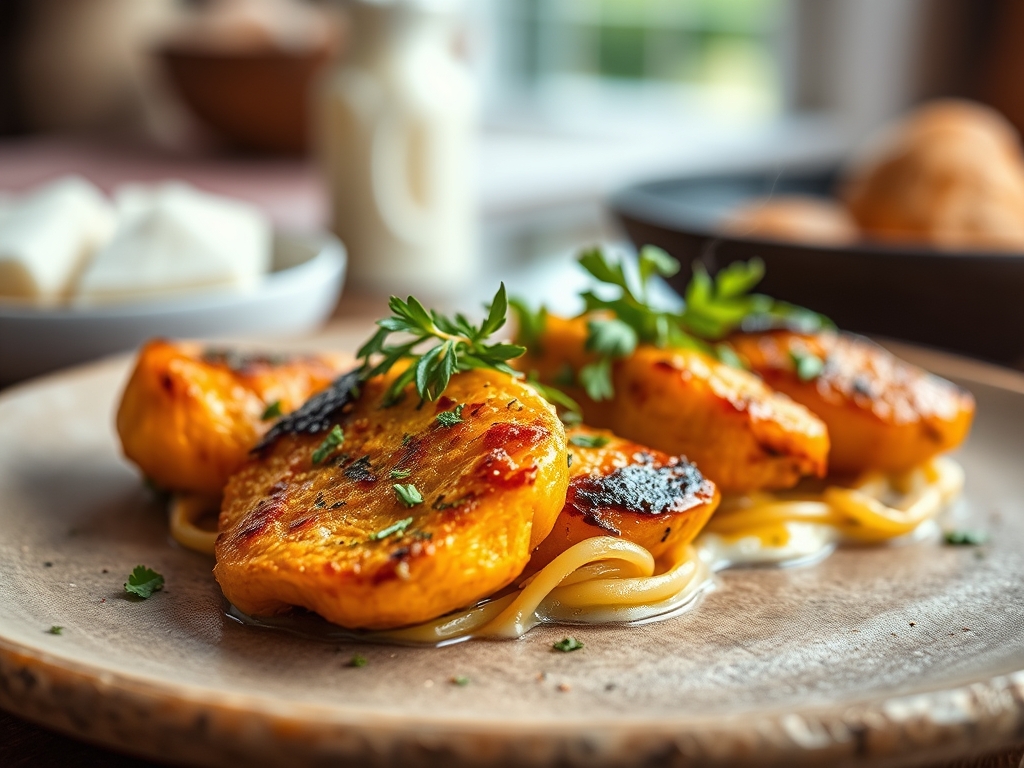
The instant chicken thighs hit a screaming-hot cast iron pan, you hear that primal crackle, the same instant squash begins to caramelize at the edges, its natural sugars igniting a Maillard symphony that turns pale gold to amber. This is the heart of great squash chicken recipes: high heat, contrasting textures, and the interplay of lean protein against sweet, yielding vegetables. Too many home cooks treat squash as an afterthought, a limp side boiled into submission. Instead, these nine ideas treat it as a co-star, whether you're roasting butternut until the edges crisp like candy, searing summer squash into coin-shaped discs with char marks, or braising chicken thighs in a bath of kabocha puree spiked with ginger and coconut milk. Each method respects the science: squash is 90% water, so moisture management is everything. The goal is concentration, not dilution. By the time you plate, you want layers of texture, spots of caramelization, and a pan sauce that clings rather than pools.
The Gathers
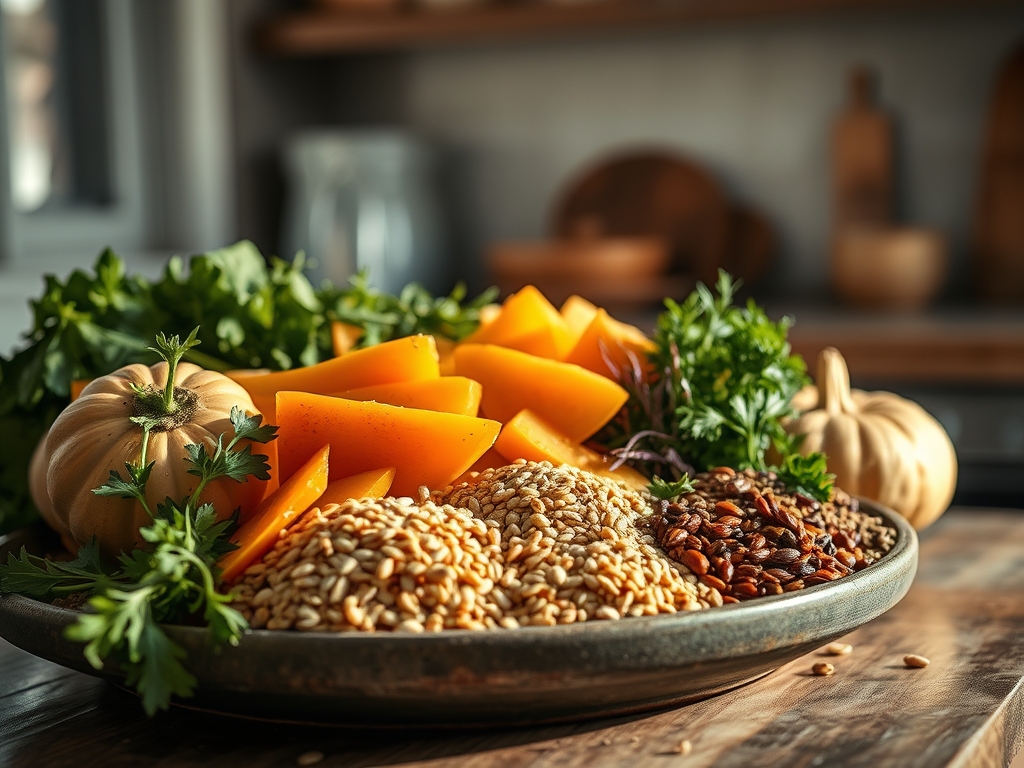
As you see in the ingredient spread below, the raw mise-en-place is deceptively simple but demands precision. You'll need 1.2 kg bone-in, skin-on chicken thighs (or breasts if you prefer, though thighs forgive timing errors). Choose 800 g of squash, peeled and cut into 2 cm cubes for even cooking. Butternut, delicata, kabocha, and acorn all behave differently: butternut holds its shape longest, delicata cooks fastest, kabocha becomes silky, acorn stays fibrous unless roasted hard.
Smart Substitutions: Swap chicken for duck legs if you want deeper, gamier fat. Use zucchini or pattypan squash in summer, but expect 40% faster cook times. Replace olive oil with ghee for a nuttier base or avocado oil if you're pushing past 230°C. Dried thyme, smoked paprika, and garlic powder anchor the spice profile, but fresh rosemary or za'atar will pivot the entire dish Mediterranean or Middle Eastern. Keep kosher salt (1.5% of total protein weight) and freshly cracked black pepper on standby.
The Clock
Prep Time: 15 minutes (peeling squash, trimming chicken, mincing aromatics).
Cook Time: 35 minutes (sear + roast or braise).
Total Time: 50 minutes.
Chef's Flow: Start squash roasting in a 220°C oven while you sear chicken on the stovetop. By the time the skin crisps (6 minutes), squash is halfway done. Deglaze the pan, build your sauce, then nestle chicken among squash for the final 15 minutes. This parallel processing shaves 20 minutes off linear methods and keeps both proteins and vegetables in their optimal texture windows. Always rest chicken 5 minutes post-cook; carryover will lift internal temp from 68°C to 74°C.
The Masterclass
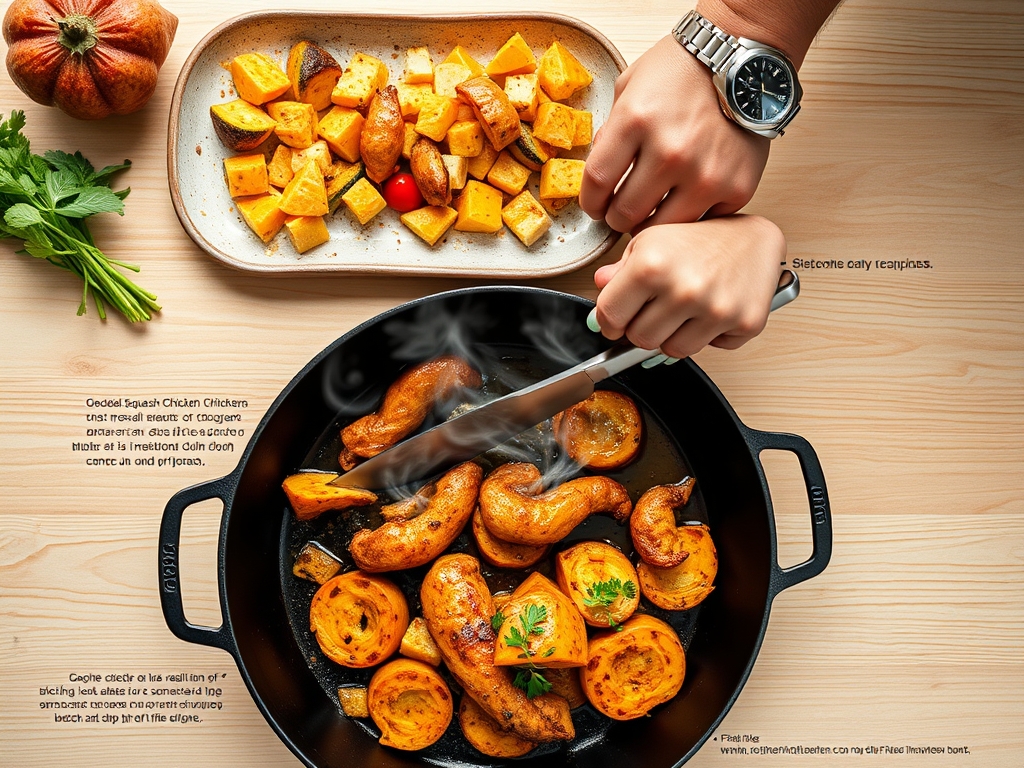
Step 1: Sear the Chicken
Pat thighs completely dry with paper towels, then season aggressively with salt and pepper 10 minutes before cooking. Heat 2 tablespoons of neutral oil in a heavy skillet over medium-high (180°C surface temp). Lay chicken skin-side down, press gently with a spatula for the first 30 seconds to ensure full contact, then leave untouched for 6 minutes.
Chef's Secret: Moisture is the enemy of the Maillard reaction. Even a damp surface will steam instead of brown. The press technique maximizes surface area contact, creating an even crust.
Step 2: Roast the Squash
Toss squash cubes with olive oil, salt, and a pinch of cinnamon or cumin. Spread in a single layer on a parchment-lined baking sheet, ensuring 2 cm spacing between pieces. Roast at 220°C for 25 minutes, flipping once at the 15-minute mark.
Why It Works: Crowding traps steam; spacing allows convective airflow to dehydrate surfaces, triggering caramelization. Note the texture shown in the step-by-step photos: edges should be mahogany, interiors tender but not mushy.
Step 3: Build the Pan Sauce
Flip chicken, cook 4 minutes on the second side, then transfer to a plate. Pour off all but 1 tablespoon of fat. Add minced shallot and garlic, cook 60 seconds, then deglaze with 120 ml dry white wine or chicken stock, scraping up browned bits (fond).
Chef's Secret: Fond is pure umami, the concentrated proteins and sugars left behind. Alcohol in wine helps extract fat-soluble flavor compounds that water-based stocks miss.
Step 4: Marry Chicken and Squash
Return chicken to the pan, nestle roasted squash around it, and slide everything into a 190°C oven for 12 minutes. Check internal temp with an instant-read thermometer; you want 72°C in the thickest part.
Why It Works: The lower oven temp gently finishes the chicken while the pan sauce reduces and coats the squash. Convection keeps skin crisp instead of steaming it soft.
Step 5: Finish and Rest
Pull the pan, tent loosely with foil, rest 5 minutes. Garnish with fresh herbs (parsley, cilantro, or tarragon) and a squeeze of lemon juice to cut richness.
Chef's Secret: Acid added at the end brightens flavors without evaporating during cooking. Resting redistributes juices; cutting too soon floods the plate.
Nutritional Info
Per serving (1 thigh + 150 g squash): 420 kcal, 28 g protein, 18 g fat, 32 g carbohydrates, 6 g fiber. Squash delivers vitamin A (180% DV) and potassium (12% DV). Chicken thighs offer zinc, selenium, and B vitamins. Adjust fat by removing skin post-sear if desired, dropping calories to 320 kcal.
Dietary Swaps
Keto: Replace squash with cauliflower or radishes roasted until caramelized. Use butter instead of oil, add heavy cream to the sauce.
Vegan: Swap chicken for firm tofu or tempeh, press well, marinate in soy sauce and smoked paprika, then follow the sear protocol. Use vegetable stock and nutritional yeast for umami depth.
Gluten-Free: Already compliant. Verify stock and spice blends contain no wheat-based fillers.
Serving & Presentation
Rustic Family Style: Serve directly from the cast iron pan, squash tumbled around bronzed chicken, garnished with herb sprigs.
Fine Dining Plate: Slice chicken off the bone, fan over a smear of squash puree, top with roasted cubes and crispy skin shards, drizzle reduced pan sauce.
Bowl Format: Shred chicken, toss with squash, greens, and farro or quinoa, dress with pan drippings thinned with lemon juice.
The Pro-Dodge
Pitfall 1: Rubbery squash. Fix: Cut uniform cubes and don't exceed 25 minutes at 220°C. Test with a fork; it should pierce with slight resistance, not mush.
Pitfall 2: Pale chicken skin. Fix: Ensure the pan is fully preheated (water droplet should skitter and evaporate in 2 seconds). Don't move the chicken prematurely.
Pitfall 3: Broken pan sauce. Fix: If it looks greasy and separated, whisk in 1 teaspoon of cold butter off-heat to emulsify, or add a splash of stock and reduce again.
The Meal Prep Corner
Storage: Cool completely, separate chicken and squash into airtight containers, refrigerate up to 4 days. Freeze for 3 months, but expect slight texture softening in squash.
Reheating: Oven at 175°C for 12 minutes yields better texture than microwaving. For crispy skin, finish under the broiler for 2 minutes. Add a tablespoon of stock if the sauce has thickened too much.
Day-One Quality: Store skin separately from sauced components if possible. Crisp it in a dry skillet before serving.
The Wrap-Up
These nine squash chicken recipes prove that simplicity and science aren't enemies. When you respect heat, moisture, and timing, even weeknight cooking can deliver restaurant-caliber results. Whether you're roasting, braising, or grilling, the marriage of caramelized squash and perfectly cooked chicken is always greater than the sum of its parts. Share your favorite variation in the comments, tag your plated masterpiece, and let's build a community of cooks who refuse to settle for boring dinners.
The Kitchen Table
Q: Can I use boneless, skinless chicken breasts?
A: Yes, but reduce cook time to 18 minutes total and monitor internal temp closely. Breasts dry out faster; consider brining in 5% salt solution for 30 minutes before cooking.
Q: What if my squash turns mushy?
A: You've either cut it too small, roasted too long, or crowded the pan. Aim for 2 cm cubes, single-layer spacing, and check at 20 minutes. Firmer varieties like butternut or kabocha hold up better than delicata.
Q: Can I make this in one pan?
A: Absolutely. Sear chicken in an oven-safe skillet, remove, add squash to the same pan, then return chicken on top and bake. You'll sacrifice some squash caramelization but gain convenience.
Q: How do I prevent the garlic from burning?
A: Add it after deglazing or during the final oven phase. Raw garlic burns at 150°C; once you've added liquid, the temperature moderates and it can cook gently.
Q: What wine works best?
A: Dry whites like Sauvignon Blanc or unoaked Chardonnay add acidity without sweetness. Avoid cooking wines with added salt; they'll throw off your seasoning balance.