
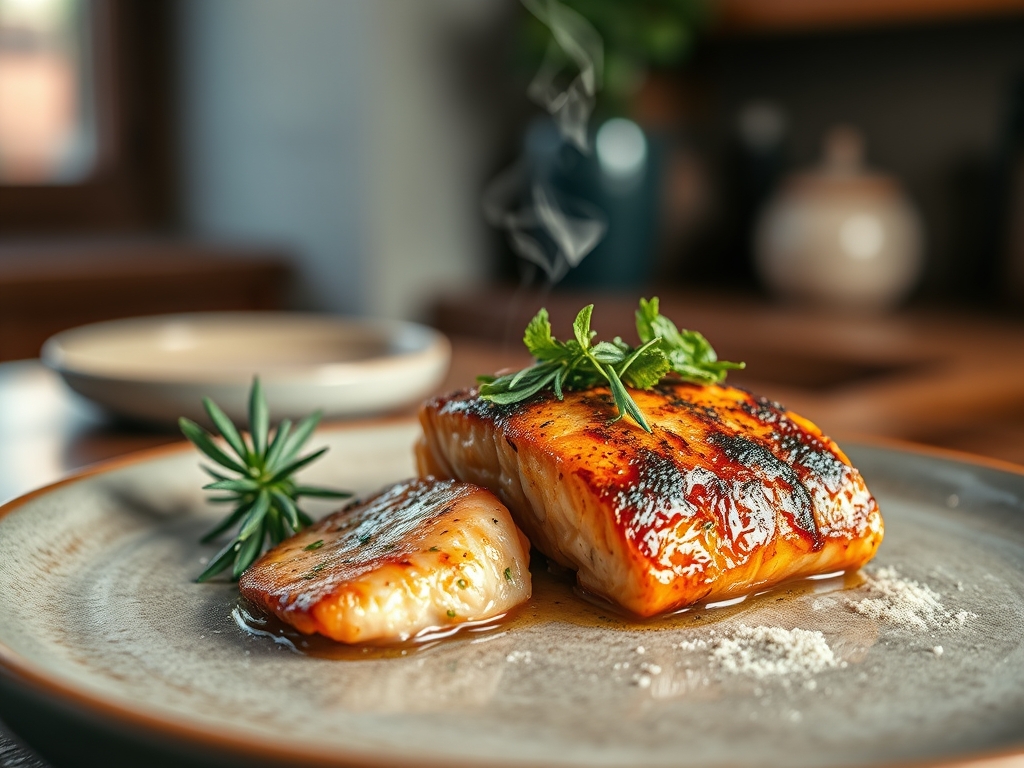
Picture the scene. The air is thick with the scent of charred allspice and the sharp, citrusy sting of lime. Your skillet is screaming hot, and as that pink fillet hits the surface, the sound is like a standing ovation. We are not just cooking dinner; we are engineering a sensory explosion. Mastering caribbean salmon recipes requires more than just a bottle of jerk seasoning. It demands an understanding of how tropical acidity interacts with fatty acids to create a crust that is both piquant and buttery. Most people treat salmon like a delicate flower, but Caribbean flavors demand a more aggressive approach. We are looking for that perfect intersection of high heat and deep, viscous marinades. By the time we are finished, you will understand exactly why a pinch of brown sugar is not just for sweetness, but a critical component for the Maillard reaction. Grab your apron and your sharpest chef knife. We are about to turn your kitchen into a high-octane island bungalow where the science of flavor meets the art of the sear.
The Gathers:
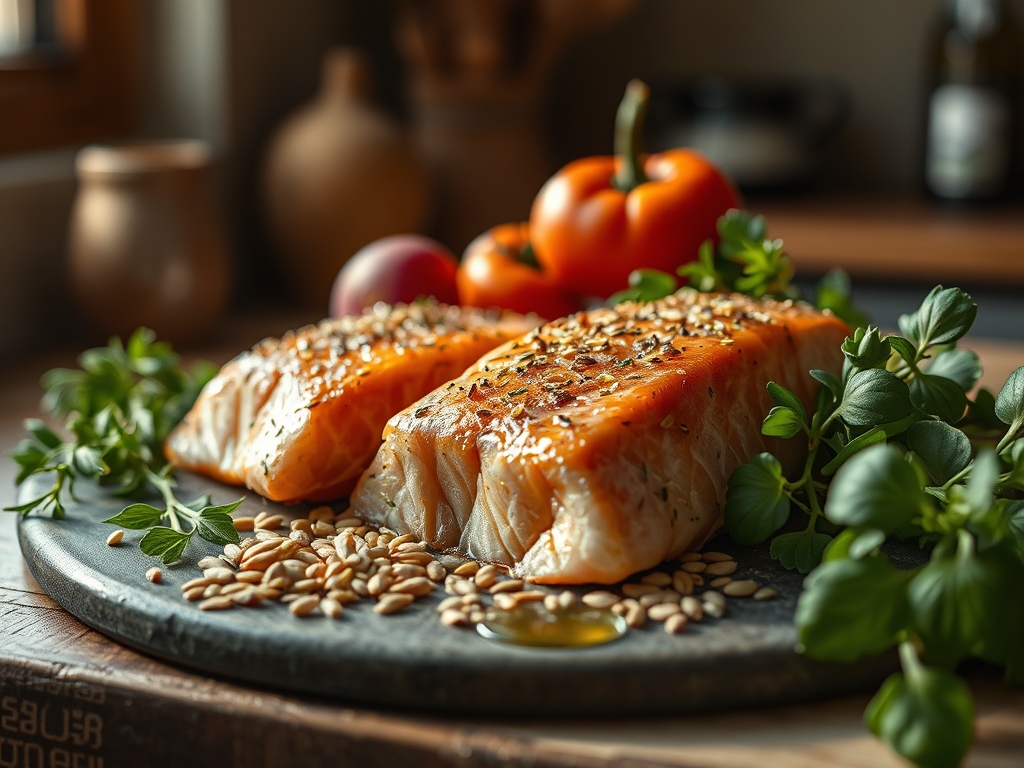
To execute these caribbean salmon recipes with professional precision, your mise-en-place must be flawless. Start with six-ounce center-cut fillets; the uniform thickness ensures even thermal distribution. You will need a heavy-bottomed skillet, preferably cast iron, to retain the heat necessary for a hard sear. For the dry rub, gather whole allspice berries, scotch bonnet peppers, and dark brown sugar. Using a mortar and pestle to crush your spices fresh will release volatile oils that pre-ground powders simply cannot match.
The wet components require a saucier to properly emulsify the glaze. You will need fresh pineapple juice, which contains bromelain, a natural enzyme that can tenderize the fish if used judiciously. Add grated ginger, garlic, and scallions. For the "Smart Substitutions," if you cannot find scotch bonnets, use habaneros for a similar heat profile. If you are watching your sugar intake, monk fruit sweetener provides the necessary carbon for browning without the glucose spike. Always keep a microplane nearby to zest your limes at the very last second; this preserves the delicate limonene oils that provide that signature bright finish.
The Clock: Chef's Flow
Efficiency in the kitchen is about managing your "Chef's Flow." Total prep time is exactly fifteen minutes if you use a bench scraper to organize your aromatics. The cook time is a swift eight to ten minutes. However, the secret is the "Resting Phase." You must factor in five minutes of carryover cooking. During this time, the internal juices, which have been pushed to the center by the heat, redistribute throughout the fillet. If you cut into it immediately, those juices will evacuate onto the plate, leaving you with dry protein. Total time from fridge to table is thirty minutes.
The Masterclass:
1. The Desiccation Phase
Pat the salmon skin bone-dry with paper towels. Moisture is the enemy of the sear. If the surface is damp, the heat of the pan will be wasted evaporating water rather than browning the fish.
Pro Tip: This is known as preventing "steam-shielding." By removing surface moisture, you allow the proteins to undergo the Maillard reaction immediately upon contact with the oil.
2. The Spice Infusion
Apply your dry rub generously to the flesh side only. Use your fingers to press the spices into the meat, ensuring they adhere.
Pro Tip: The salt in your rub acts as a denaturant, slightly breaking down the surface proteins so the spices can "lock" into the structure of the fish before it hits the heat.
3. The Cold-Oil Start
Heat your skillet over medium-high heat until a drop of water dances and evaporates instantly. Add a high-smoke-point oil like avocado oil.
Pro Tip: Using oil with a high smoke point prevents the formation of acrolein, a bitter chemical that occurs when fats break down. This ensures your caribbean salmon recipes taste clean and vibrant.
4. The Skin-Down Sear
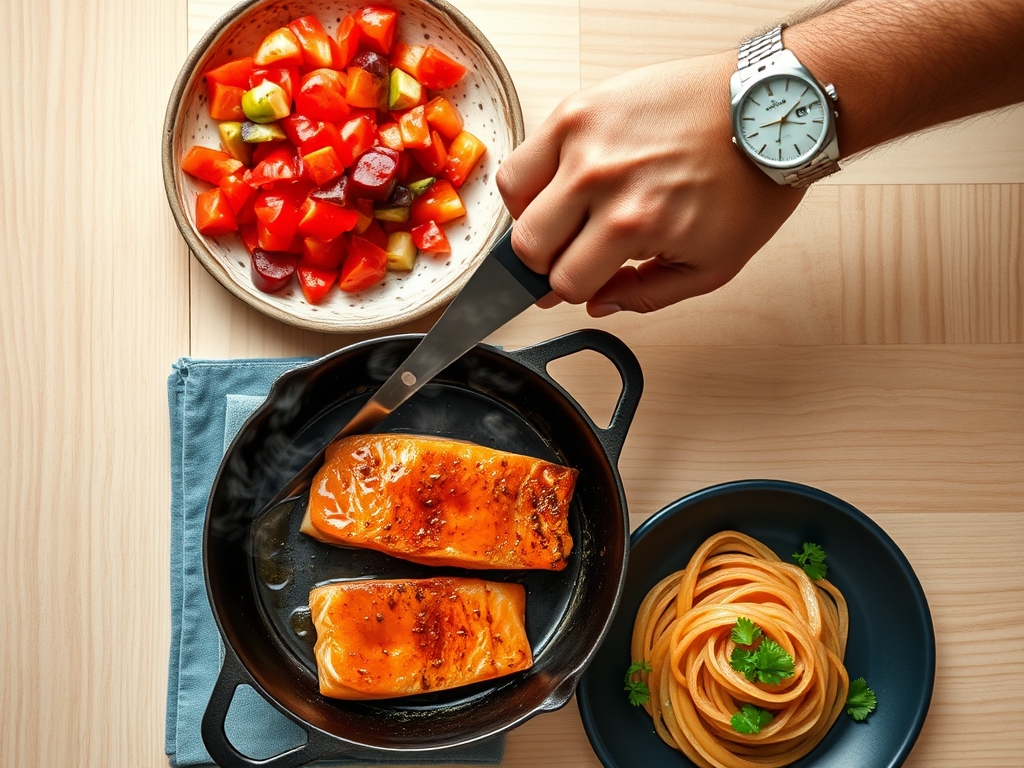
Place the salmon skin-side down and press firmly with a fish spatula for thirty seconds. This prevents the skin from curling as the collagen fibers contract.
Pro Tip: This technique ensures maximum surface area contact, leading to a glass-like, crispy skin through conductive heat transfer.
5. The Glaze Emulsification
While the fish sears, whisk your pineapple juice and aromatics in a small bowl. Once the salmon is flipped, pour the mixture into the pan.
Pro Tip: As the liquid hits the hot pan, it will deglaze the fond (the brown bits). The sugars will rapidly reduce and become viscous, coating the fish in a concentrated flavor shell.
6. The Basting Ritual
Use a large spoon to continuously pour the bubbling glaze over the top of the fillets.
Pro Tip: Basting creates a "top-down" cooking effect known as convection, which helps cook the center of the fish without over-browning the bottom.
7. The Internal Temp Check
Use a digital scale or, more importantly, a digital meat thermometer to pull the salmon at 125 degrees Fahrenheit for medium-rare.
Pro Tip: Thermal carryover will raise the internal temperature by another five degrees while the fish rests, bringing it to a perfect, flakey 130 degrees.
8. The Acidic Finish
Squeeze fresh lime juice over the resting fillets and garnish with chopped cilantro.
Pro Tip: The citric acid acts as a "flavor brightener," cutting through the heavy fats of the salmon and the sugar of the glaze to balance the palate.
The Deep Dive:
Macro Nutrition
A standard six-ounce serving of this salmon provides roughly 34 grams of high-quality protein and 22 grams of healthy fats, primarily Omega-3 fatty acids. These fats are essential for cognitive function and reducing inflammation. The glaze, while containing sugars, is packed with Vitamin C from the citrus and pineapple.
Dietary Swaps
For a Vegan alternative, use thick "steaks" of cauliflower or firm tofu, following the same searing and glazing process. For Keto followers, replace the pineapple juice with a splash of apple cider vinegar and use erythritol instead of brown sugar. To keep it Gluten-Free, ensure your soy sauce or liquid aminos are certified GF.
The Fix-It: Common Pitfalls
- The Skin is Soggy: You likely flipped it too early. The skin will naturally release from the pan once the proteins have fully crisped. If it sticks, wait another thirty seconds.
- The Glaze is Burnt: Your pan was too hot when you added the liquid. Move the skillet off the burner for ten seconds before pouring in the glaze to drop the temperature.
- White Gunk on the Fish: This is albumin, a protein that pushes out when salmon is cooked too fast or too high. Lower your heat slightly to keep the interior succulent.
Meal Prep: The Reheating Science
To maintain "day-one" quality, never microwave salmon. The high-frequency waves agitate water molecules too violently, toughening the protein. Instead, reheat in a 275-degree oven with a splash of water and a tight foil cover to create a gentle steam chamber.
The Wrap-Up:
You are now officially armed with the technical prowess to dominate caribbean salmon recipes. From the enzymatic power of pineapple to the physics of the perfect sear, you have moved beyond being a cook and into the realm of a culinary scientist. Remember, the best food happens when you respect the ingredients and the heat. Go forth, use your tongs with confidence, and let those fiery island flavors shine!
The Kitchen Table:
How do I stop salmon from sticking to the pan?
Ensure the pan and oil are shimmering hot before adding the fish. Pat the skin completely dry. Once the salmon is placed, do not move it for at least three minutes to allow the crust to form and release naturally.
Can I use frozen salmon for these recipes?
Yes, but you must thaw it completely in the refrigerator. Pat it dry multiple times with paper towels to remove excess moisture from the freezing process, which can prevent a proper sear and lead to steaming.
What is the best way to store leftovers?
Store in an airtight glass container for up to two days. Keep the glaze separate if possible to prevent the skin from becoming mushy. Reheat gently using the oven method to preserve the delicate fatty acid structure.
Is it safe to eat salmon skin?
Absolutely. The skin contains the highest concentration of Omega-3s. When seared correctly using the techniques above, it becomes a crispy, flavorful cracker that provides a necessary textural contrast to the soft, buttery meat of the fish.