
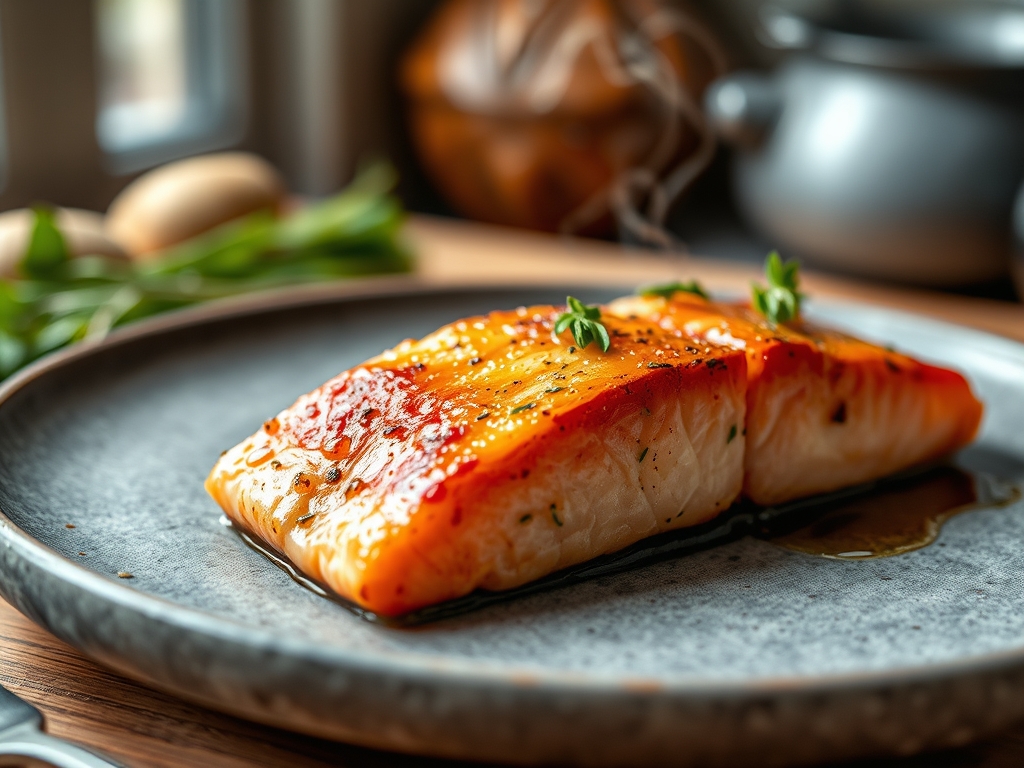
Picture this: a cold, heavy-bottomed skillet meets a pristine fillet of wild-caught sockeye. As the skin begins to render, the kitchen fills with a scent that is simultaneously buttery and electric. This is the magic of horseradish salmon recipes; they provide a sensory whiplash that moves from the rich, omega-3 fats of the fish to the sinus-clearing heat of the root. It is a dish that feels like high-end catering but functions as a twenty-minute weeknight miracle. We are not just making dinner; we are engineering a contrast between the viscous, fatty proteins of the salmon and the piquant, volatile compounds found in fresh horseradish. When that crust hits the heat, the sugars in the topping undergo a rapid Maillard reaction, creating a golden, savory shell that locks in moisture. This balance is the secret to a restaurant-quality finish. Grab your favorite apron and a glass of crisp Sancerre; we are about to turn a simple piece of fish into a masterclass of texture and temperature.
The Gathers:
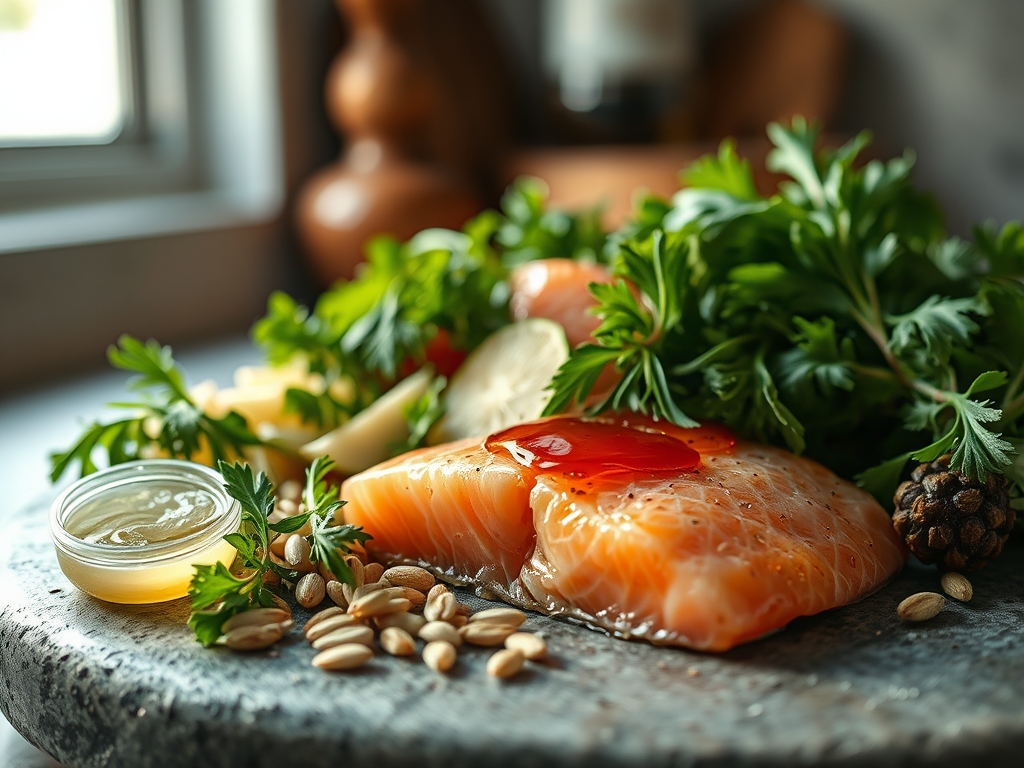
To execute this properly, your mise-en-place must be precise. Start with 1.5 pounds of center-cut salmon, preferably with the skin on for structural integrity during the sear. You will need high-quality prepared horseradish (not the creamy sauce, but the grated root packed in vinegar) to provide the necessary acidity. For the crust, gather panko breadcrumbs, fresh dill, and Dijon mustard. The mustard acts as a culinary glue; it is an emulsifier that binds the dry crumbs to the moist protein.
You will also need unsalted butter, softened to room temperature, and the zest of one lemon. The lemon oils are stored in the flavedo, so use a microplane to shave off only the yellow layer, avoiding the bitter white pith. If you are looking for smart substitutions, you can swap panko for crushed pork rinds to keep it keto; alternatively, use a gluten-free cracker crumb. If fresh dill is unavailable, tarragon offers a sophisticated, anise-like profile that complements the heat. Always use a digital scale for your portions to ensure even cooking times across all fillets.
The Clock
Efficiency in the kitchen is about the "Chef's Flow." This is the sequence of operations that minimizes downtime. Your total active prep time is exactly ten minutes. During this window, you will zest, chop, and mix your crust components while the salmon sits on the counter to take the chill off. This is vital; cold fish in a hot pan causes the muscle fibers to seize, resulting in a tough texture.
The cooking phase requires twelve to fifteen minutes depending on the thickness of your fillets. We use a two-stage thermal process: a high-heat sear on the stovetop followed by a gentle finish under the broiler. This "flow" ensures the crust is golden and crisp while the interior remains a translucent, medium-rare pink. Total time from fridge to table is under thirty minutes, making this the most efficient high-protein meal in your repertoire.
The Masterclass
1. Temper the Protein
Remove your salmon from the refrigerator at least fifteen minutes before cooking. Use a paper towel to pat the surface bone-dry. Moisture is the enemy of the sear; if the surface is wet, the fish will steam rather than brown.
Pro Tip: This prevents the "albumin bleed," those white protein bubbles that seep out when fish is shocked by extreme temperature changes. Tempering ensures a more uniform cellular structure.
2. The Emulsion Bind
Whisk together your Dijon mustard, horseradish, and a splash of olive oil in a small saucier or bowl. Use a silicone spatula to spread a thin, even layer over the top of the salmon.
Pro Tip: Dijon contains mucilage, a plant-based thickener that creates a heat-stable bond between the fish and the crust. It prevents the topping from sliding off in the oven.
3. Construct the Crust
Combine the panko, lemon zest, and chopped dill. Press this mixture firmly into the mustard layer. You want a dense, architectural layer that covers the entire surface area.
Pro Tip: Adding a pinch of salt to the crumbs draws out microscopic amounts of moisture, which then evaporates to create a crunchier, more aerated texture via steam leavening.
4. The Initial Sear
Heat a heavy-bottomed skillet over medium-high heat with a high-smoke-point oil like avocado oil. Place the salmon skin-side down. Do not move it. Let the skin render and crisp for four minutes.
Pro Tip: This is the Maillard reaction in action. The amino acids and reducing sugars reorganize to create hundreds of new flavor compounds and a dark, savory crust.
5. The Broiler Finish
Transfer the skillet to the top rack of your oven under the broiler setting. Watch it closely for three to five minutes until the horseradish crust is bubbling and mahogany brown.
Pro Tip: This utilizes infrared radiation to cook the top of the fish quickly. Because heat rises, the broiler mimics a professional salamander oven for that perfect crunch.
6. The Carryover Rest
Use tongs to carefully transfer the fillets to a warm plate. Let them rest for three minutes before serving.
Pro Tip: Thermal carryover means the internal temperature will rise about five degrees after removal. Resting allows the juices to redistribute so they do not flood the plate when you take your first bite.
The Deep Dive
From a macro perspective, this dish is a powerhouse. A standard six-ounce serving provides roughly 34 grams of protein and 22 grams of healthy fats. If you are following a keto lifestyle, simply swap the panko for almond flour or crushed macadamia nuts. For a vegan alternative, this horseradish crust works beautifully on thick "steaks" of roasted cauliflower or firm tofu.
If you run into trouble, let's look at "The Fix-It." If your crust is soggy, it means your oven rack was too low; move it closer to the heating element. If the fish is dry but the crust looks great, you likely skipped the tempering step. If the horseradish flavor is too faint, ensure you are using "Extra Bold" prepared horseradish, as the volatile oils dissipate quickly once the jar is opened.
For meal prep, reheating salmon is a delicate science. Avoid the microwave, which turns the fats rancid and the texture rubbery. Instead, place the leftover fillet in a 275-degree oven with a tablespoon of water covered in foil for eight minutes. This creates a gentle steam environment that restores the "day-one" flake without overcooking the center.
The Wrap-Up
You now hold the keys to the ultimate horseradish salmon recipes. By focusing on the science of the emulsion bind and the physics of the two-stage sear, you have elevated a simple dinner into a culinary event. This dish is bold, bright, and technically perfect. It is time to stop fearing the fish and start mastering the heat of the root. Go forth and sear with confidence; your kitchen table is about to become the best restaurant in town.
The Kitchen Table
Why does my horseradish lose its heat when cooked?
Horseradish contains isothiocyanates, which are heat-sensitive volatile compounds. To maintain the "zing," we use a high-heat, short-duration broiler method. This toasts the breadcrumbs while keeping the horseradish pungent and chemically active.
Can I use frozen salmon for this recipe?
Yes, but you must thaw it completely in the refrigerator and pat it extremely dry. Frozen fish often retains excess water; if not removed, this moisture will turn your horseradish crust into a soggy paste during the cooking process.
What is the best way to tell if salmon is done?
Use a digital thermometer to check for an internal temperature of 125 to 130 degrees Fahrenheit for medium-rare. The fish should also yield to gentle pressure and flake easily along the natural fat lines when pressed with a fork.
Why is my salmon skin sticking to the pan?
The pan likely was not hot enough before the fish was added, or you tried to flip it too early. Protein bonds to metal initially; once the skin is properly rendered and browned, it will naturally release from the surface.