
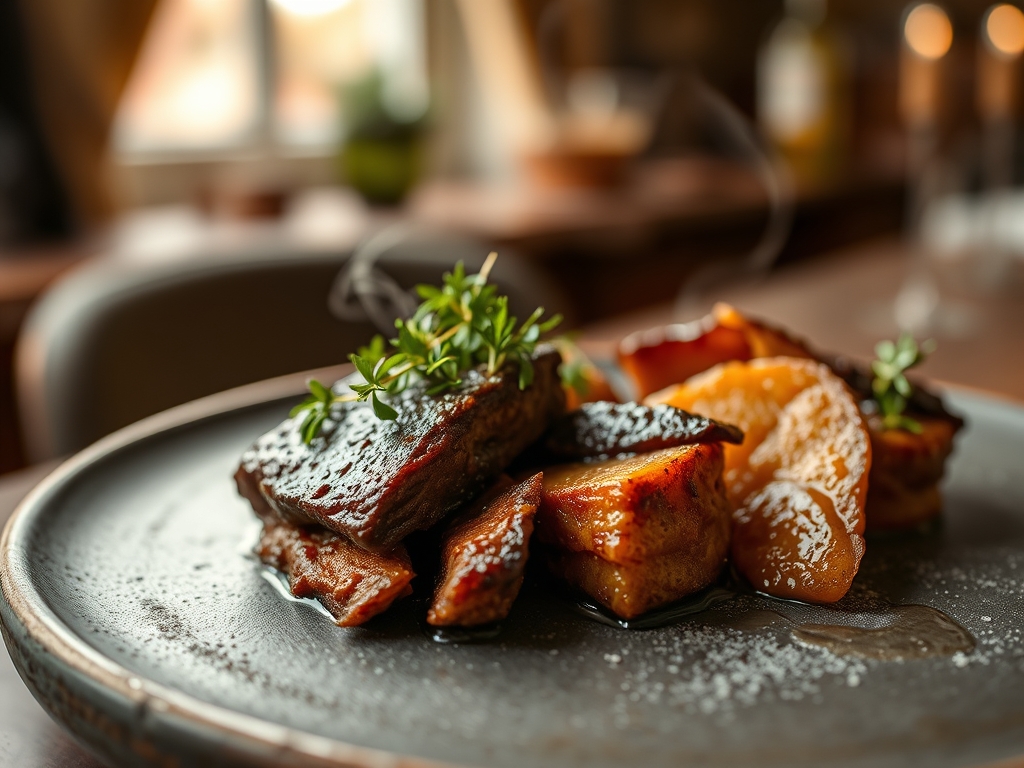
The smell of a kitchen in October is a distinct olfactory fingerprint. It is the scent of woodsmoke, heavy rain on dry leaves, and the deep, savory perfume of searing protein. When the temperature drops, our bodies crave the density of fall beef recipes; those heavy, collagen-rich cuts that transform into velvet after hours of slow heat. We are moving away from the bright, acidic crudos of summer and leaning into the world of long-chain fatty acids and complex amino acids. Think of this as your culinary armor against the coming frost. We are not just cooking dinner; we are engineering comfort through the precise application of heat and the strategic layering of aromatics.
Imagine a kitchen where the windows are fogged with steam from a heavy-bottomed skillet. You are standing there with a glass of bold red wine, watching the fat render into a pool of liquid gold. This is the ultimate seasonal transition. We are going to master the art of the braise, the sear, and the stew. From a classic boeuf bourguignon that shatters with a fork to a piquant ginger-soy short rib that melts into a bowl of creamy polenta, these fall beef recipes are designed to be the centerpiece of your cold-weather rotation. Grab your favorite apron and let us get into the chemistry of flavor.
The Gathers:
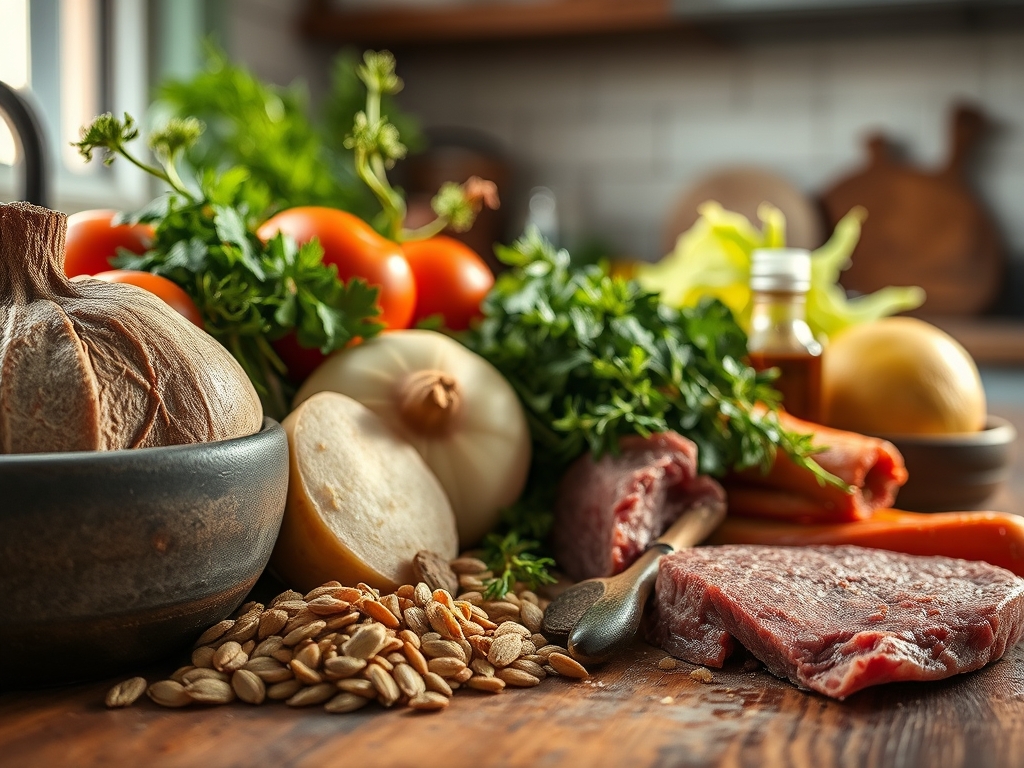
To execute these fall beef recipes with professional precision, your mise-en-place must be impeccable. We start with the star of the show: the beef. For slow-cooked dishes, look for cuts with significant intramuscular fat and connective tissue, such as chuck roast, brisket, or short ribs. These contain high levels of collagen, which transforms into gelatin at sustained temperatures above 160 degrees Fahrenheit, providing that luxurious, viscous mouthfeel. You will also need a "holy trinity" of aromatics: carrots, celery, and onions. In the professional kitchen, we call this a mirepoix, and it provides the foundational sweetness that balances the savory depth of the meat.
Your pantry should be stocked with high-quality beef bone broth, tomato paste for umami depth, and a variety of dry woods like rosemary and thyme. Use a microplane to zest fresh horseradish or garlic directly into your sauces for a sharp, volatile hit of flavor. If you are looking for smart substitutions, try swapping traditional red wine for a dry hard cider to lean into the autumnal theme; the malic acid provides a brighter, crisper finish than the tannic structure of a Cabernet. For a lighter version, replace heavy cream in your finishes with a pureed cauliflower or a dollop of Greek yogurt to maintain creaminess without the heavy saturated fat.
The Clock
Efficiency in the kitchen is about understanding "Chef's Flow." This is the psychological state where your movements are synchronized with the thermal properties of your ingredients. Most fall beef recipes require a bifurcated approach to time: a high-intensity 30-minute preparation window followed by a 3-to-4-hour passive cooking phase. During the prep phase, you are focused on the Maillard reaction; this is the chemical reaction between amino acids and reducing sugars that gives browned food its distinctive flavor.
Once the pot is in the oven, the clock becomes your friend. This is when the tough muscle fibers begin to denature. If you are using a pressure cooker, you can compress this timeline to 60 minutes, but remember that rapid depressurization can sometimes shock the meat, causing it to toughen. The goal is to reach an internal temperature where the meat is "fork-tender" but not disintegrating. Always build in a 20-minute resting period at the end; this allows the internal juices to redistribute, ensuring that your first bite is as moist as the last.
The Masterclass
1. The Critical Sear
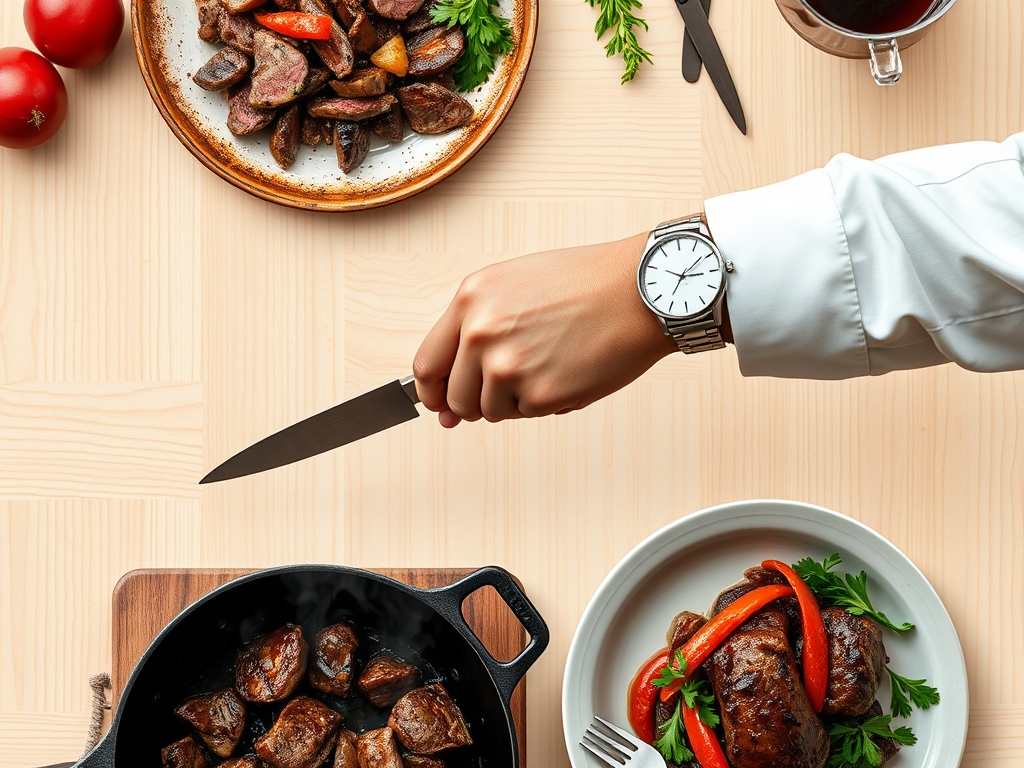
Pat your beef dry with paper towels until the surface is bone-dry. Season aggressively with kosher salt. Heat a heavy-bottomed skillet until the oil is shimmering and just below its smoke point. Place the beef in the pan using tongs, ensuring you do not overcrowd the surface.
Pro Tip: This is the Maillard reaction in action. Moisture is the enemy of browning. If the meat is wet, it will steam rather than sear, preventing the development of those complex, savory flavor compounds.
2. Deglazing the Fond
After removing the meat, you will see brown bits stuck to the bottom of the pan; this is "fond." Pour in a cup of wine or stock and use a wooden spoon or bench scraper to lift those bits while the liquid bubbles.
Pro Tip: Deglazing uses the solvent properties of liquid to incorporate concentrated flavor back into the sauce. The alcohol in wine also helps to release fat-soluble flavor molecules that water alone cannot reach.
3. The Low and Slow Braise
Return the meat to the pot and submerge it halfway in liquid. Cover tightly and place in a 300-degree oven. The liquid should be at a bare simmer, not a rolling boil.
Pro Tip: Keeping the temperature low prevents the protein fibers from tightening too quickly. A gentle simmer ensures the collagen converts to gelatin without the meat becoming dry and stringy.
4. Aerating and Finishing the Sauce
Once the meat is tender, remove it and strain the liquid into a saucier. Simmer the liquid to reduce it, then whisk in a knob of cold butter or a splash of balsamic vinegar.
Pro Tip: This is known as "mounting with butter" (monter au beurre). The cold butter creates an emulsion with the hot liquid, resulting in a glossy, thickened sauce that clings to the meat.
The Deep Dive
When we look at the macro nutrition of these fall beef recipes, we are looking at a powerhouse of bioavailable iron, zinc, and B12. While beef is calorie-dense, these recipes are often paired with root vegetables that provide complex carbohydrates and fiber. For those following specific dietary protocols, the swaps are simple. Keto followers should skip the flour dredge and use xanthan gum for thickening. For a gluten-free version, ensure your beef stock is certified GF and use tamari instead of soy sauce. If you are cooking for a vegan guest, you can replicate the texture of braised beef using lion's mane mushrooms or rehydrated soy curls, though you will need to double down on liquid smoke and miso to mimic the umami profile.
Even the best chefs hit snags. If your sauce is too salty, do not reach for the water; add a splash of acid (lemon juice or vinegar) or a pinch of sugar to balance the palate. If your meat is tough after the allotted time, it simply hasn't cooked long enough; put it back in. If the sauce is too thin, create a "beurre manie" by mixing equal parts softened butter and flour, then whisking it into the boiling liquid. When it comes to meal prep, remember that beef stews actually taste better on day two. As the dish cools, the aromatics continue to infuse the liquid, and the gelatin sets, creating a more cohesive flavor profile. To reheat, use a low flame on the stove and add a splash of water to loosen the sauce without overcooking the meat.
The Wrap-Up
Mastering fall beef recipes is about more than just following a list of instructions; it is about understanding the relationship between time, temperature, and texture. By focusing on the science of the sear and the patience of the braise, you can transform humble ingredients into a culinary masterpiece. These dishes are the backbone of the season, providing warmth and sustenance as the days grow shorter. Whether you are hosting a formal dinner or just meal prepping for a busy week, these techniques will ensure your kitchen is the most inviting place in the house. Now, go forth, deglaze that pan, and enjoy the fruits of your scientific labor.
The Kitchen Table
What is the best cut of beef for fall stews?
Chuck roast is the gold standard. It has a high concentration of connective tissue and fat, which breaks down during slow cooking into a rich, gelatinous texture that remains moist even after hours of simmering in the pot.
Why is my braised beef dry even though it is in liquid?
You likely boiled the meat rather than simmering it. High heat causes muscle fibers to contract violently, squeezing out all internal moisture. Keep your oven temperature low and ensure the liquid never reaches a hard, rolling boil during the process.
Can I make these recipes in a slow cooker?
Yes, but you must sear the meat in a separate skillet first. Slow cookers cannot reach the temperatures necessary for the Maillard reaction. Without that initial sear, your dish will lack the deep, savory complexity found in traditional oven braising.
How do I get a thick, glossy sauce without using flour?
Reduce your braising liquid by half over high heat to concentrate the natural gelatins. Finish by whisking in a few pieces of cold, cubed butter. This creates a stable emulsion that provides a luxurious mouthfeel and a professional, shiny finish.