
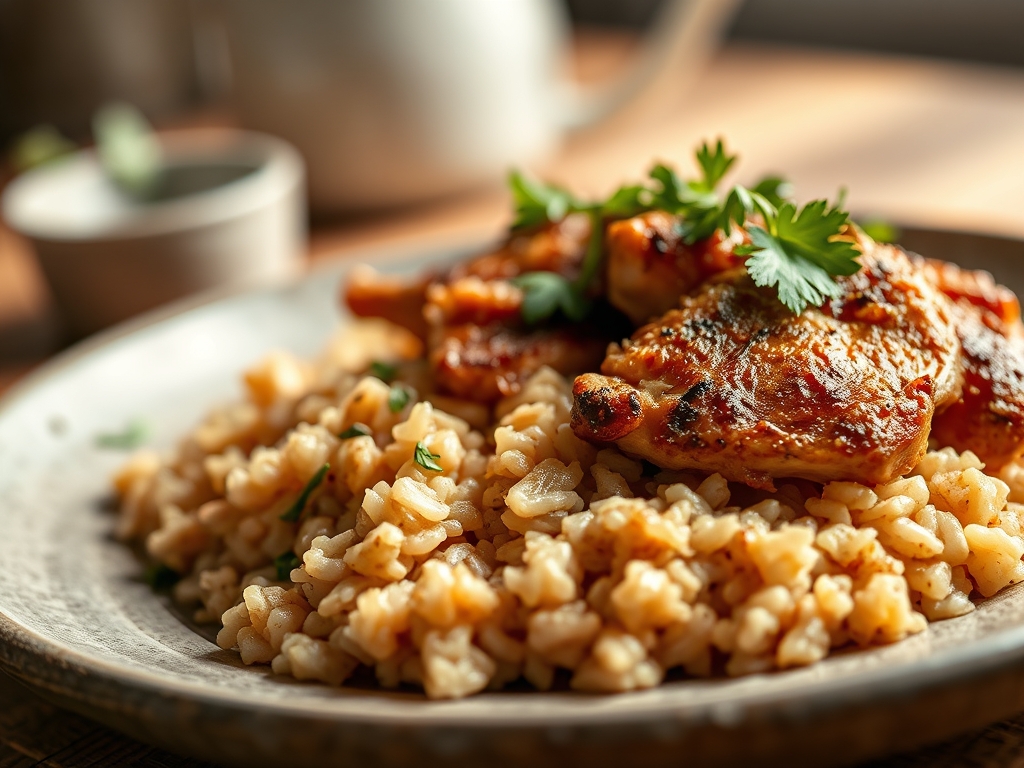
Picture the sizzle of a heavy-bottomed skillet as it meets lean poultry; the sound is a symphony of moisture escaping and protein structure transforming. We are moving far beyond the bland, rubbery meal prep tropes of yesteryear. When you master brown rice chicken recipes, you are balancing the nutty, bran-rich complexity of whole grains with the succulent, Maillard-driven crust of perfectly seared chicken. It is the ultimate culinary handshake between fiber and fuel.
The secret to why this duo works lies in the structural integrity of the rice. Unlike white rice, which can turn to mush under high pressure, brown rice retains its husk; this provides a toothsome resistance that stands up to bold sauces and high-heat sautéing. We are going to explore ten distinct variations, from zesty citrus-infused bowls to deeply savory ginger-soy stir-fries. Each version is designed to maximize nutrient density without sacrificing the piquant, crave-worthy flavors that make a meal memorable. Whether you are fueling for a marathon or just trying to survive a Tuesday, these recipes are your new tactical advantage in the kitchen.
The Gathers:
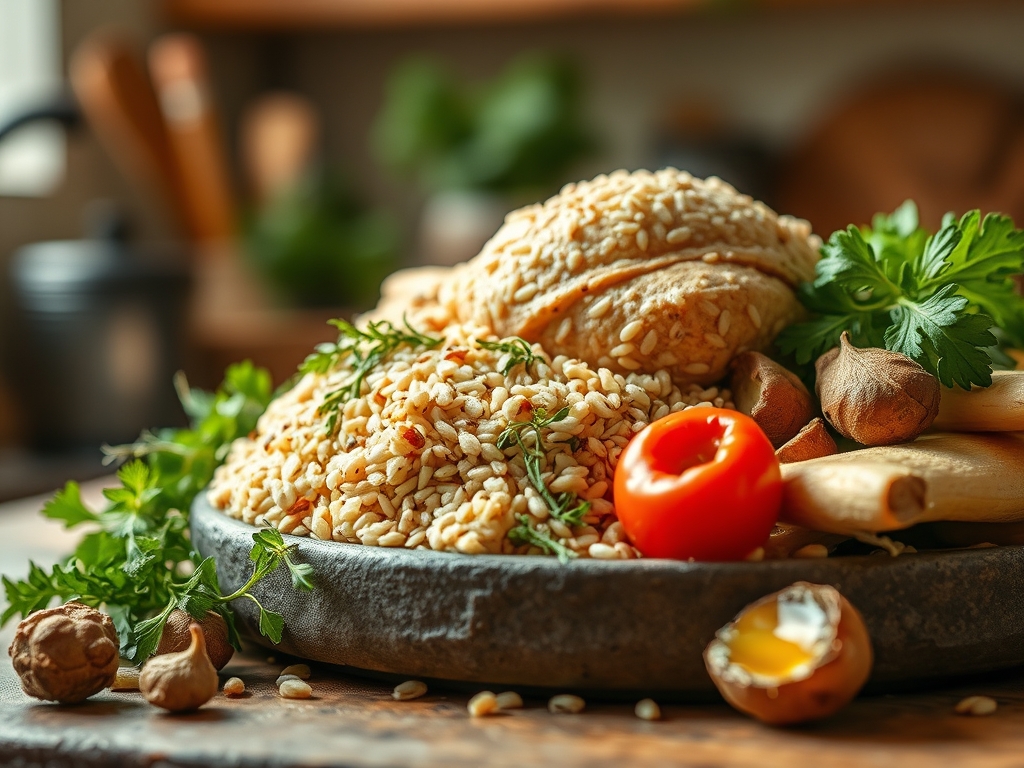
To execute these brown rice chicken recipes with professional precision, your mise-en-place must be impeccable. Start with high-quality organic chicken thighs or breasts; thighs offer more intramuscular fat which helps render a richer mouthfeel. For the rice, look for short-grain brown rice if you want a stickier, more cohesive texture, or long-grain varieties like Basmati for distinct, fluffy grains that do not clump.
Your aromatics are the backbone here. You will need fresh ginger, garlic cloves ready for the microplane, and scallions. Grab a bottle of low-sodium tamari or liquid aminos to provide that essential umami base. For fats, choose high-smoke-point oils like avocado or grapeseed oil to ensure you can achieve a hard sear without the oil breaking down into acrid compounds.
Smart Substitutions:
If you are avoiding soy, coconut aminos offer a sweeter, less salty profile. For those who find brown rice too dense, try a "50/50 blend" of brown rice and quinoa; this increases the protein profile and lightens the overall texture. If you are out of fresh aromatics, a high-quality garlic paste or ginger puree can work, though you will lose some of the volatile oils found in the fresh root. Always keep a lemon or lime nearby; the citric acid acts as a flavor brightener that can rescue a dish that feels "flat" or overly earthy.
The Clock:
Efficiency in the kitchen is about Chef's Flow, the art of overlapping tasks so no time is wasted. For these brown rice chicken recipes, the grain is your "long lead" item. Brown rice typically requires 40 to 50 minutes of simmering. While the rice undergoes gelatinization on the back burner, you have a 30-minute window to prep your proteins and vegetables.
Expect about 15 minutes of active knife work. Using a sharp chef's knife and a bench scraper to move your ingredients will shave minutes off your prep. The actual cooking of the chicken takes 8 to 12 minutes depending on the cut. Total "door-to-table" time sits at roughly 55 minutes, but only 20 of those require your active attention. This is why we batch-cook the rice; it turns a 55-minute process into a 15-minute assembly for the rest of the week.
The Masterclass:
1. The Grain Foundation
Rinse your brown rice in a fine-mesh strainer until the water runs clear to remove excess surface starch. Combine with water or bone broth in a saucier at a 1:2 ratio. Bring to a boil, then reduce to a whisper of a simmer and cover tightly.
Pro Tip: This prevents "blowouts" where the grain bursts. Keeping the lid sealed traps steam, ensuring the heat remains constant for even hydration of the tough bran layer.
2. Protein Preparation
Pat the chicken completely dry with paper towels. Moisture is the enemy of the sear. Season aggressively with kosher salt and black pepper. If the surface is wet, the chicken will steam rather than brown.
Pro Tip: This utilizes surface evaporation. By removing moisture, you allow the surface temperature to rise rapidly above 300 degrees Fahrenheit, triggering the Maillard reaction for a savory crust.
3. The High-Heat Sear
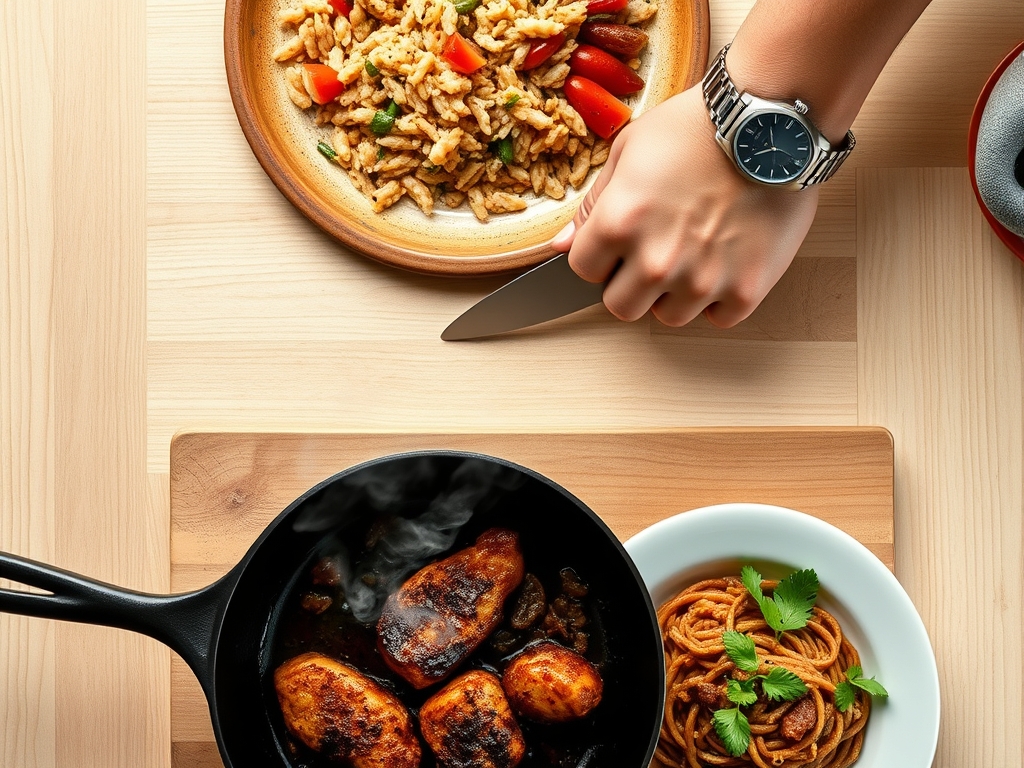
Heat your heavy-bottomed skillet until the oil shimmers. Place the chicken in the pan and do not move it for at least four minutes. Use tongs to check for a golden-brown release.
Pro Tip: This is about protein denaturation. If you move the meat too early, it will stick. Waiting for the "release" means the proteins have bonded to themselves rather than the metal.
4. Deglazing the Fond
Once the chicken is cooked and removed to a plate, you will see brown bits stuck to the pan. This is "fond," or liquid gold. Pour in a splash of broth or white wine and scrape the bottom of the pan.
Pro Tip: This process, known as deglazing, incorporates caramelized sugars and proteins back into your sauce, creating a complex, layered flavor profile that cannot be replicated with spices alone.
5. The Final Emulsification
Return the chicken and cooked rice to the pan. Add your sauce components (like soy, honey, or citrus) and a knob of cold butter or a splash of oil. Toss vigorously over medium heat.
Pro Tip: This creates a viscous coating. The agitation helps the fats and liquids bind together, ensuring the sauce clings to every grain of rice instead of pooling at the bottom.
The Deep Dive:
When we look at the macro nutrition of brown rice chicken recipes, we see a near-perfect balance. A standard serving provides roughly 35g of protein, 45g of complex carbohydrates, and 8g of fiber. The manganese in brown rice supports bone health, while the selenium in chicken acts as a powerful antioxidant.
Dietary Swaps:
For a Vegan version, swap the chicken for pressed, extra-firm tofu or tempeh and use a mushroom-based "oyster" sauce. For Keto enthusiasts, you will need to swap the rice for cauliflower rice, though the cooking time drops to a mere three minutes. For Gluten-Free needs, simply ensure your soy sauce is replaced with certified GF Tamari.
The Fix-It:
- Mushy Rice: You likely used too much water. Fix it by spreading the rice on a baking sheet and putting it in a 300-degree oven for ten minutes to dehydrate.
- Dry Chicken: This is caused by overcooking. Use a digital scale or meat thermometer to pull the chicken at 160 degrees; thermal carryover will bring it to the safe 165-degree mark while it rests.
- Bland Flavor: You need more acid. A squeeze of fresh lemon or a teaspoon of rice vinegar will "wake up" the salt and spices.
Meal Prep Science:
To maintain "day-one" quality, store rice and chicken in airtight glass containers. When reheating, add one tablespoon of water and cover with a damp paper towel. This creates a micro-steaming environment in the microwave, preventing the rice from becoming "pebbly" through retrogradation (the hardening of starch molecules).
The Wrap-Up:
Mastering brown rice chicken recipes is like unlocking a culinary superpower. You are taking humble, shelf-stable ingredients and transforming them into high-performance fuel that actually tastes incredible. By focusing on the science of the sear and the patience of the simmer, you elevate a simple weeknight dinner into a gourmet experience. Remember, the kitchen is your laboratory; do not be afraid to experiment with different aromatics or spice blends to make these recipes your own. Now, grab your skillet and get to work.
The Kitchen Table:
How do I prevent brown rice from being crunchy?
Ensure a tight seal on your pot lid to prevent steam loss. Let the rice rest, covered, for ten minutes after the heat is turned off. This allows the moisture to redistribute evenly through the bran.
Can I use frozen chicken for these recipes?
Yes, but you must thaw it completely in the refrigerator first. Cooking chicken from frozen prevents the Maillard reaction and results in a rubbery texture due to uneven heat distribution and excess moisture release.
What is the best way to store leftovers?
Cool the dish to room temperature within two hours to prevent bacterial growth. Store in an airtight container for up to four days. For longer storage, brown rice chicken recipes freeze well for up to three months.
Why is my chicken sticking to the pan?
The pan or the oil was likely not hot enough. Alternatively, you may be trying to flip the meat too soon. Wait for the protein to naturally release from the surface once a crust has formed.