
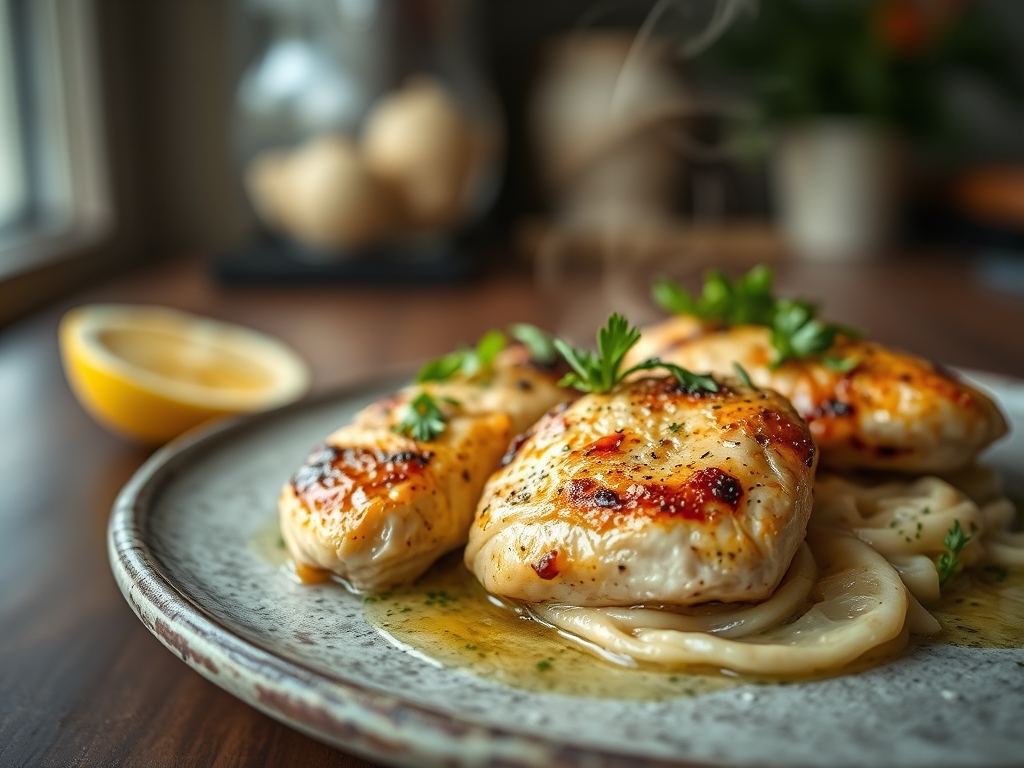
Picture the kitchen at dusk, where the air hums with the scent of charred oregano and the sharp, bright sting of citrus. Your heavy-bottomed skillet is screaming hot, and as the bird hits the oil, that signature hiss signals the start of the Maillard reaction. We have all chased those perfect greek lemon chicken recipes that promise succulent meat but deliver dry, fibrous disappointment. I am here to tell you that the difference between a mediocre weeknight meal and a Mediterranean masterpiece is pure chemistry. It is about the way acid breaks down connective tissue and how fats carry flavor across your palate. We are not just cooking; we are engineering a sensory experience that balances piquant lemon with the deep, savory notes of rendered poultry fat. By the time we are done, you will understand exactly why your citrus needs to be added in stages and why the temperature of your pan dictates the final texture of your sauce. Let us get into the science of the sear.
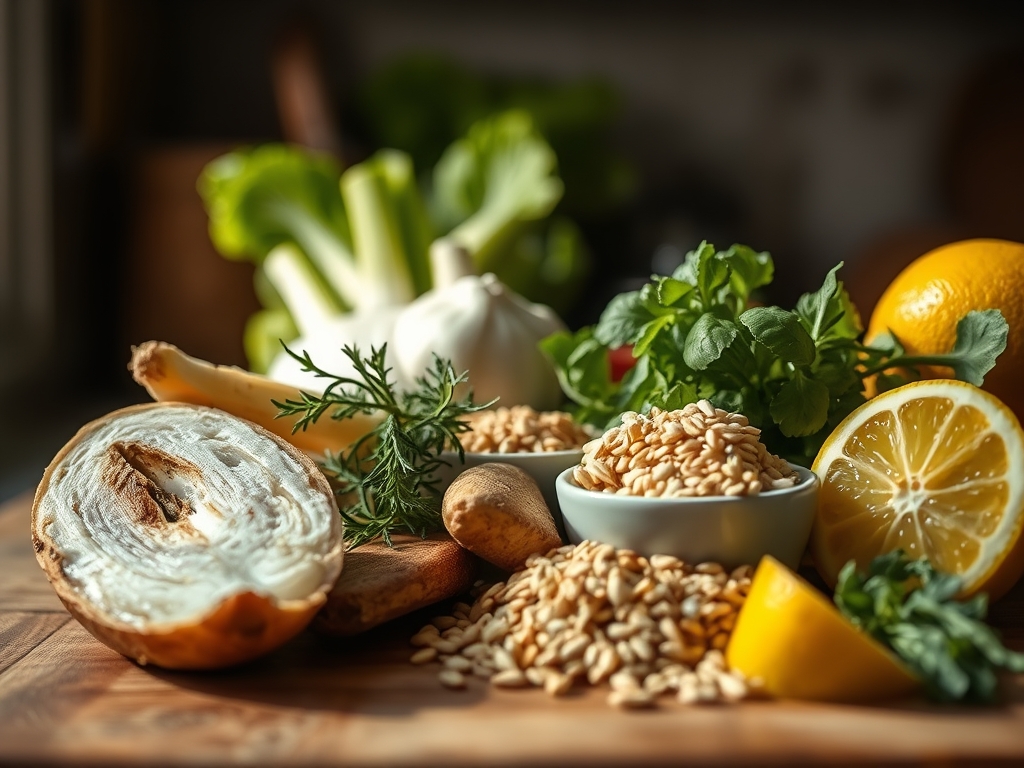
The Gathers:
To achieve elite results, your mise-en-place must be precise. Start with bone-in, skin-on thighs; the bone acts as a thermal conductor, ensuring even heat distribution, while the skin provides the lipids necessary for a golden crust. You will need high-quality extra virgin olive oil, which contains polyphenols that add a peppery finish. Use a microplane to harvest the zest of three large lemons; the essential oils are stored in the flavedo, the thin yellow outer layer, and provide a more intense aroma than the juice alone.
For the aromatics, gather fresh sprigs of oregano and rosemary. Dried herbs are concentrated, but fresh herbs contain volatile oils that infuse the cooking fat during the rendering process. Your garlic should be smashed, not minced, to prevent burning during the high-heat phase.
Smart Substitutions:
If you lack fresh lemons, a high-quality preserved lemon can provide an earthy, fermented depth. No fresh oregano? Use half the amount of dried Greek oregano, but rub it between your palms first to aerate and release the trapped oils. For a lower-fat profile, swap half the olive oil for a splash of dry white wine like a crisp Assyrtiko to deglaze the pan.
The Clock
Efficiency in the kitchen is about "Chef's Flow," the art of overlapping tasks to minimize downtime.
Prep Time: 20 minutes. This includes the "dry brine" period where you salt the skin to draw out moisture through osmosis, ensuring a crispier finish.
Cook Time: 35 minutes. Most of this is inactive oven time, but the initial sear is a high-intensity five-minute window.
Rest Time: 10 minutes. This is non-negotiable. It allows the muscle fibers to relax and reabsorb the internal juices.
Total investment is roughly 65 minutes. Use the roasting time to prepare a side of orzo or a crisp cucumber salad, ensuring everything hits the table at the peak of its temperature profile.
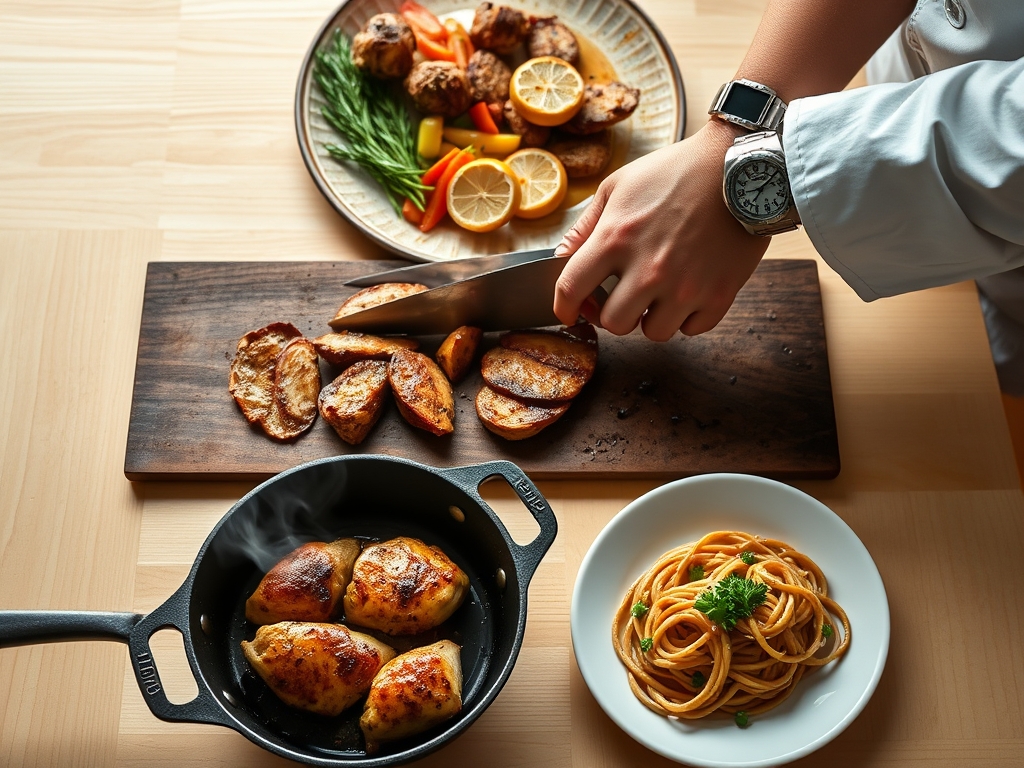
The Masterclass
1. The Dry Brine and Surface Prep
Pat the chicken excessively dry with paper towels. Sprinkle kosher salt liberally over the skin and let it sit at room temperature for fifteen minutes. This process uses salt to pull moisture to the surface, which then dissolves the salt and is reabsorbed, seasoning the meat deeply.
Pro Tip: This is called hygroscopy. By removing surface moisture, you ensure the energy of the pan goes toward browning the skin rather than evaporating water, preventing the dreaded "steamed" texture.
2. The Cold-Pan Start for Fat Rendering
Place the chicken skin-side down in a cold, heavy-bottomed skillet before turning the heat to medium-high. As the pan heats up, the subcutaneous fat begins to liquefy and exit the skin.
Pro Tip: Rendering is the key to crispness. A cold start allows the fat to melt away slowly before the skin proteins tighten, resulting in a wafer-thin, glass-like crunch.
3. The Aromatics Infusion
Once the chicken has released enough fat, toss in your smashed garlic cloves and woody herb sprigs. Use your tongs to move them around the pan, allowing the hot oil to extract the fat-soluble flavor compounds from the herbs.
Pro Tip: This is lipid-mediated flavor extraction. Many of the aromatic compounds in oregano and garlic are not water-soluble; they require a fat medium to coat your tongue and provide a long-lasting aftertaste.
4. Deglazing with Citrus
After flipping the chicken to sear the bottom, pour in your fresh lemon juice and a splash of chicken stock. Use a wooden spoon or a bench scraper to lift the brown bits (the fond) from the bottom of the pan.
Pro Tip: Deglazing is a chemical process where the fond, which is packed with concentrated proteins and sugars from the Maillard reaction, is dissolved into a liquid to create a complex, savory sauce base.
5. The Oven Transition
Transfer the entire skillet into a preheated 400-degree oven. This provides ambient heat that cooks the chicken from all sides, ensuring the interior reaches safety levels without burning the exterior.
Pro Tip: Watch for thermal carryover. Remove the chicken when a digital thermometer reads 160 degrees Fahrenheit. The internal temperature will continue to rise to the target 165 degrees while resting.
6. Emulsifying the Pan Sauce
Once the chicken is resting on a board, return the skillet to the stove. Whisk in a knob of cold butter or a tablespoon of Greek yogurt into the remaining juices until the sauce becomes viscous and glossy.
Pro Tip: This creates a temporary emulsion. The proteins in the butter or yogurt act as stabilizers, binding the lemon juice and chicken fats into a cohesive, velvety sauce.
7. The Final Zest and Garnish
Just before serving, shower the dish with the fresh lemon zest you prepared earlier. The heat of the chicken will release the citrus oils without cooking them, providing a bright, floral top note.
Pro Tip: This addresses volatile aromatic loss. High heat destroys the delicate top notes of citrus; adding zest at the very end ensures the scent hits the diner's nose before the first bite.
The Deep Dive
Macro Nutrition:
A standard serving of this Greek lemon chicken provides approximately 35 grams of protein and 22 grams of healthy fats. It is naturally low in carbohydrates, making it an excellent choice for metabolic health.
Dietary Swaps:
- Vegan: Use thick-sliced cauliflower steaks or firm tofu. Substitute the chicken fat with a high-quality avocado oil and use nutritional yeast for a savory "umami" kick.
- Keto/GF: This recipe is inherently keto-friendly and gluten-free. Ensure your chicken stock does not contain hidden wheat thickeners.
The Fix-It:
- Soggy Skin: Your pan wasn't hot enough or you crowded the skillet. Cook in batches to maintain high surface temperature.
- Bitter Sauce: You likely zested into the white pith of the lemon. Only use the yellow flavedo. To fix, add a pinch of sugar or honey to balance the bitterness.
- Dry Meat: You bypassed the resting phase. Always wait ten minutes before slicing to allow the cellular structure to re-lock the moisture.
Meal Prep & Reheating:
To maintain "day-one" quality, reheat the chicken in a toaster oven at 350 degrees rather than the microwave. Microwaves vibrate water molecules, which can turn the skin rubbery; the dry heat of an oven restores the crisp texture through late-stage dehydration.
The Wrap-Up
Mastering greek lemon chicken recipes is about more than following a list of ingredients; it is about understanding the physics of the kitchen. From the initial osmotic draw of the salt to the final emulsification of the sauce, every step serves a purpose in building layers of flavor. You now have the technical prowess to turn a simple bird into a legendary meal. Grab your tongs, trust your digital thermometer, and let the science do the heavy lifting. Your kitchen is about to smell incredible.
The Kitchen Table
Can I use chicken breasts instead of thighs?
Yes, but reduce the oven time significantly. Breasts lack the connective tissue of thighs and will dry out quickly. Use a digital scale to ensure even thickness and pull them at exactly 160 degrees.
Why is my lemon sauce too thin?
You likely didn't reduce the liquid enough before adding your emulsifier. Simmer the juices on high heat for three minutes to evaporate excess water, then whisk in cold butter to create a viscous, coating consistency.
Do I have to use a cast iron skillet?
While not mandatory, cast iron has high heat retention which is superior for a consistent sear. A heavy stainless steel saucier also works well for deglazing and building a complex pan sauce.
Can I marinate the chicken overnight?
Limit citrus marinades to two hours. The high acidity will begin to "cook" the proteins (denaturation), resulting in a mealy, mushy texture. A dry brine is more effective for long-term prep.