
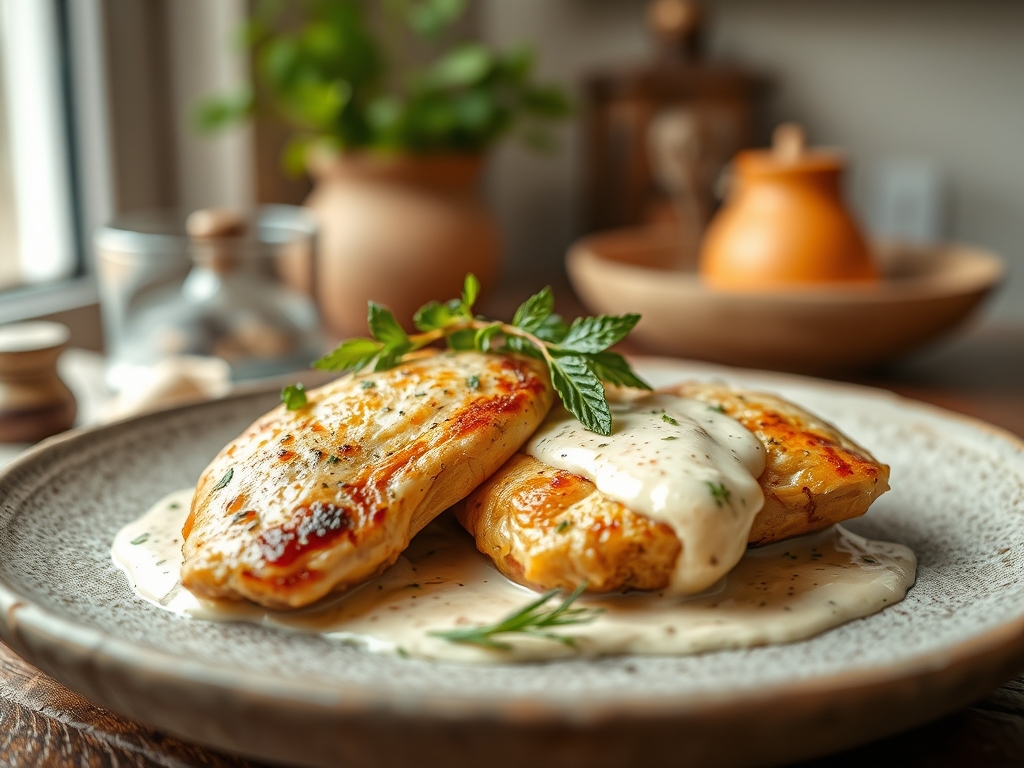
Picture a rainy Tuesday evening where the air feels heavy and your energy is flagging. You crave something that feels like a warm hug for your soul; a dish that transforms simple poultry into a velvet masterpiece. Mastering chicken with cream of chicken recipes is the ultimate culinary shortcut to achieving that nostalgic, high-viscosity satisfaction without spending hours over a stockpot. It is about the science of the emulsion and the way a concentrated veloute clings to every fiber of the meat.
When we talk about these meals, we are not just opening a can; we are leveraging a pre-emulsified base to create a complex sauce matrix. By understanding how to balance the salt, fat, and acid, you can elevate a humble pantry staple into a gourmet experience. Whether you are folding it into a wild rice bake or using it as a braising liquid for pan-seared thighs, the goal is always a rich, piquant finish that lingers on the palate. Let us dive into the mechanics of the perfect creamy chicken dinner.
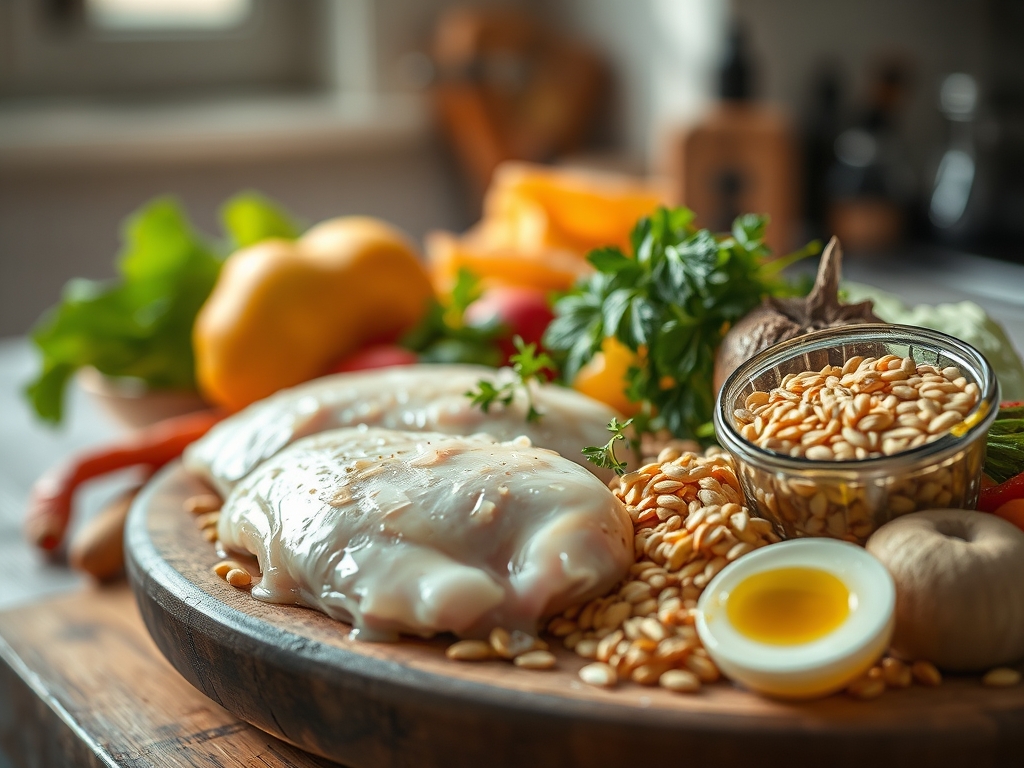
The Gathers:
Before we ignite the burners, we must assemble our mise-en-place. Use a digital scale to ensure your ratios are precise, as the starch-to-liquid balance determines the final viscosity of your sauce. You will need high-quality chicken breasts or thighs; look for air-chilled poultry to avoid excess water release during the Maillard reaction. For the base, gather your concentrated cream of chicken, but do not stop there. We need aromatics: finely minced shallots, fresh thyme, and garlic processed through a microplane to release the maximum amount of allicin.
Smart Substitutions: If you are looking to lighten the profile without sacrificing the mouthfeel, swap half of the heavy cream for a splash of dry white wine like Sauvignon Blanc. The acidity will deglaze the pan and cut through the richness. For a deeper umami punch, add a teaspoon of mushroom powder or a dash of Worcestershire sauce. If you find yourself out of the canned base, a homemade blonde roux whisked with heavy cream and chicken bouillon serves as a perfect structural replacement.
The Clock
Efficiency in the kitchen is about the Chef's Flow. This is the art of overlapping tasks so that no heat is wasted. For these seven recipes, expect a preparation time of 15 minutes and an active cook time of 25 to 40 minutes. The flow begins with the protein; while your heavy-bottomed skillet preheats, you are seasoning and chopping.
As the chicken hits the pan to render its fat, you move to the aromatics. By the time the meat reaches an internal temperature of 160 degrees Fahrenheit, your sauce should be simmering. This synchronized timing ensures that the chicken does not overcook while waiting for the sauce to reduce. Remember, the residual heat will carry the meat to the safe 165-degree mark during the resting phase, preserving the delicate moisture within the protein strands.
The Masterclass
1. The Sear and Render
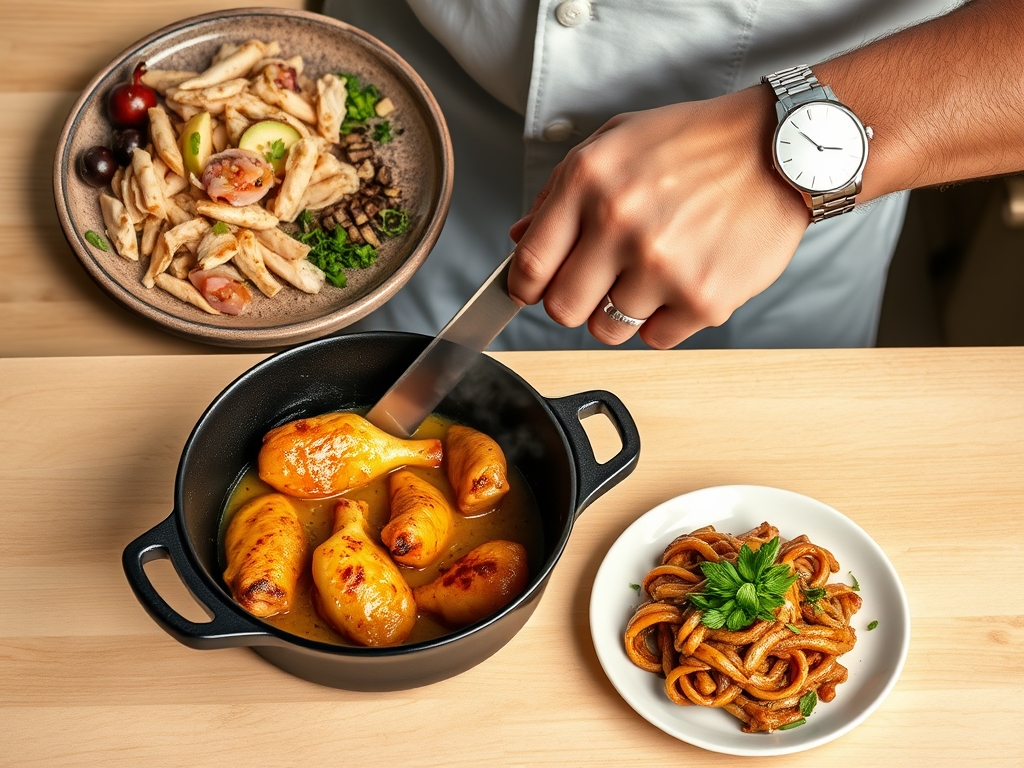
Place your chicken in a hot skillet with a high-smoke-point oil. Do not crowd the pan; this leads to steaming rather than browning. Use tongs to flip the pieces only once a golden crust has formed.
Pro Tip: This is the Maillard reaction in action. By browning the surface, you are creating hundreds of new flavor compounds that a simple boil cannot replicate.
2. Deglazing the Fond
Once the chicken is removed, you will see brown bits stuck to the bottom. Pour in a liquid; broth or wine; and use a bench scraper or wooden spoon to lift those bits.
Pro Tip: Those bits are called fond. They contain concentrated savory notes that provide the "backbone" of your cream sauce, preventing it from tasting one-dimensional.
3. Building the Emulsion
Lower the heat and whisk in your cream of chicken base. Use a saucier if available, as its rounded bottom prevents the sauce from scorching in the corners. Slowly incorporate your liquid of choice to reach the desired thickness.
Pro Tip: Maintaining a low simmer prevents the dairy proteins from denaturing too quickly, which can cause the sauce to "break" or become grainy.
4. Infusing Aromatics
Add your herbs and microplaned garlic now. The fat in the cream acts as a carrier for the essential oils in the herbs, allowing the flavor to infuse throughout the entire dish.
Pro Tip: Fat-soluble flavor compounds in thyme and rosemary require a lipid environment to fully bloom and register on your taste buds.
5. The Final Fold
Return the chicken to the pan. Ensure every piece is submerged or coated. This is where the flavors marry, and the sauce thickens slightly more from the starch in the chicken coating.
Pro Tip: Thermal carryover will finish the cooking process. Pulling the pan off the heat just before the chicken is done ensures the meat remains succulent rather than rubbery.
The Deep Dive
From a macro nutrition perspective, these meals are protein-heavy but can be calorie-dense due to the fats in the cream base. To balance this, serve your chicken over a bed of steamed cruciferous vegetables or fiber-rich quinoa.
Dietary Swaps: For a Keto version, ensure your cream base is flour-free and serve over cauliflower rice. For a Gluten-Free approach, use a cornstarch slurry to thicken a homemade cream base. Vegan enthusiasts can replicate the texture using a cashew-cream base blended with nutritional yeast for that savory, "chicken-like" depth.
The Fix-It:
- Sauce is too thick: Whisk in a tablespoon of warm chicken broth at a time until the viscosity is restored.
- Sauce is bland: Add a squeeze of fresh lemon juice. The acid acts as a flavor "brightener" that wakes up the salt.
- Chicken is dry: You likely bypassed the resting phase. Next time, use a digital thermometer to pull the meat at 160 degrees.
Meal Prep Science: When reheating, the starch in the sauce will have set into a gel. To return it to a silky state, add a splash of milk and heat slowly on the stovetop. Avoid the microwave if possible, as it can cause the fats to separate, leaving you with an oily residue.
The Wrap-Up
Creating the perfect chicken with cream of chicken recipes is a masterclass in comfort engineering. By focusing on the texture of your emulsion and the precision of your sear, you transform basic ingredients into a high-end dining experience. It is witty, it is smart, and most importantly, it is delicious. Now, grab your favorite skillet and let the chemistry of the kitchen work its magic for your next cozy dinner.
The Kitchen Table
How do I keep the cream sauce from curdling?
Avoid high heat once the dairy is added. Keep the temperature at a gentle simmer. Adding a pinch of cornstarch or flour to the sauce before heating can also help stabilize the proteins and prevent separation.
Can I use frozen chicken for these recipes?
It is best to thaw chicken completely before cooking. Frozen chicken releases excess moisture as it thaws in the pan, which will dilute your sauce and prevent the Maillard reaction from creating that essential golden crust.
What is the best way to store leftovers?
Store in an airtight glass container for up to three days. Glass is non-reactive and won't affect the delicate flavor of the cream. Reheat slowly on the stove with a splash of liquid to restore the original creamy texture.
Why does my sauce taste floury?
If you made a homemade base, you likely didn't cook the roux long enough. You must toast the flour and butter for at least two minutes to neutralize the raw starch taste before adding your liquid components.