
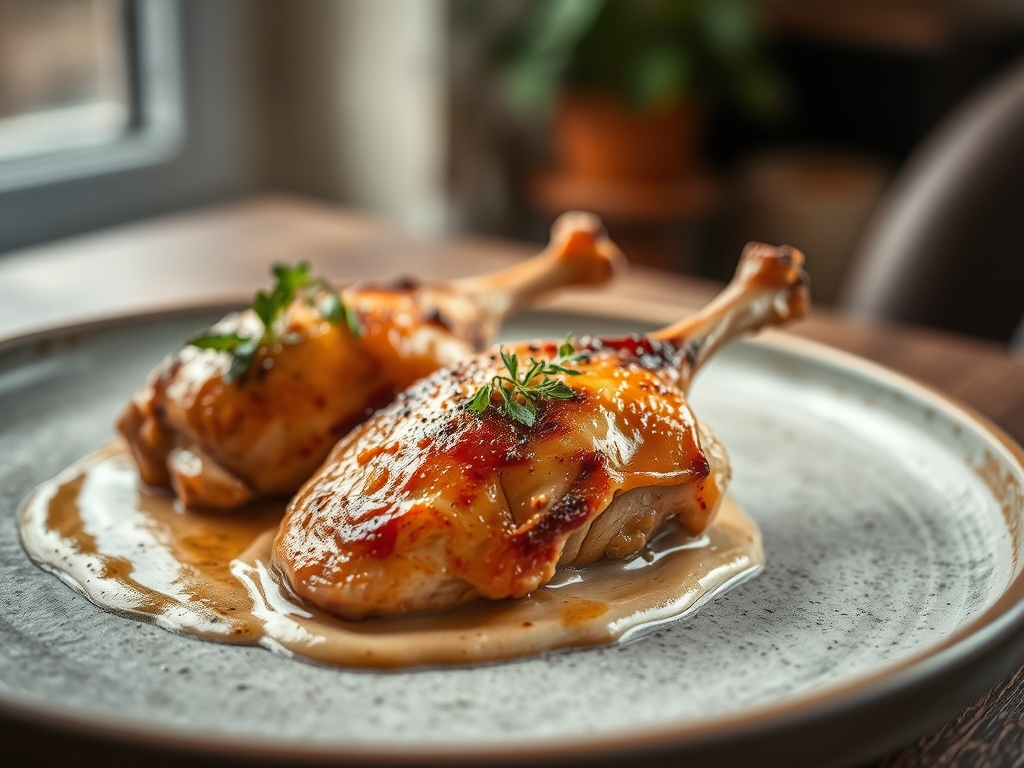
Close your eyes and listen for that distinct, rhythmic sizzle as cold protein hits a searing heavy-bottomed skillet. There is a primal, aromatic magic that only happens when you commit to bone in chicken recipes; a depth of flavor that boneless cuts simply cannot replicate. When you cook meat on the bone, you are essentially simmering a built-in stock from the inside out. The marrow and connective tissues release collagen, which transforms into gelatin, coating the meat in a rich, viscous moisture that protects it from the harsh heat of the oven. We are moving beyond the bland, rubbery poultry of your past. Today, we are mastering the art of the golden crust and the succulent interior. We are talking about high-impact flavor boosts that take less than ten minutes of active work but result in a plate that looks like it belongs in a copper-clad professional kitchen. Grab your apron; we are about to turn basic bird into a culinary masterpiece using nothing but smart science and a bit of kitchen swagger.
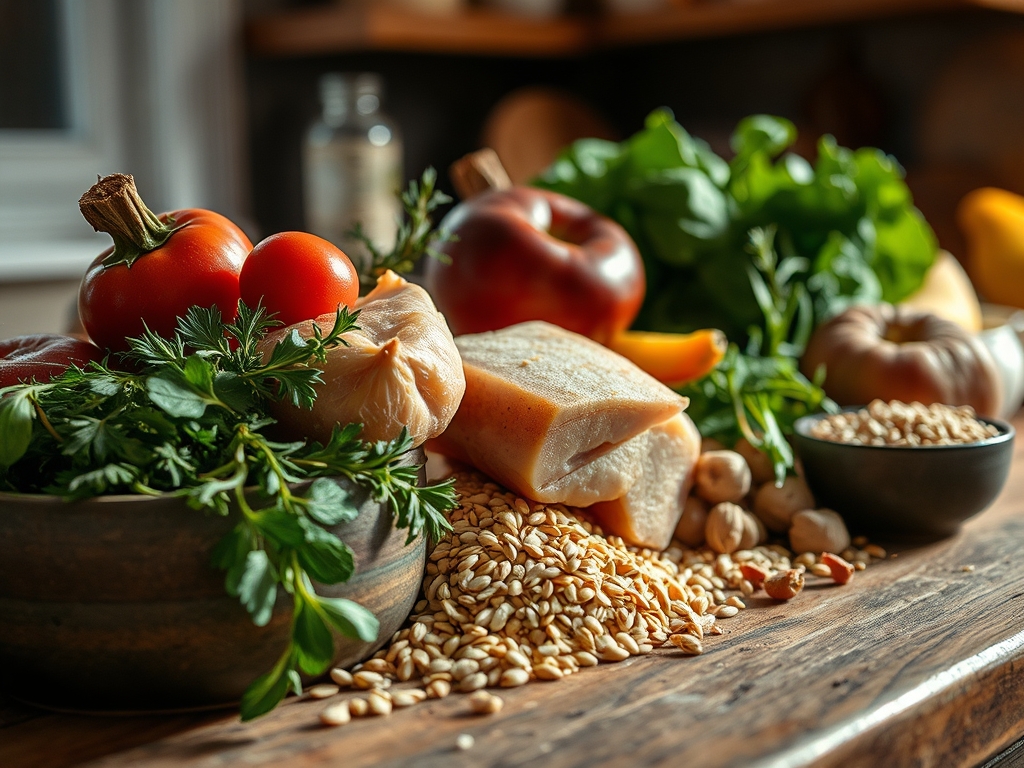
The Gathers:
Setting up your station is not just about organization; it is about managing the kinetic energy of your kitchen. For these flavor boosts, you need a mise-en-place that balances acidity, fat, and aromatics. Start with high-quality chicken thighs or drumsticks, ensuring they are at room temperature to prevent thermal shock. You will need a high-smoke-point fat like avocado oil or clarified butter (ghee) to facilitate the Maillard reaction without scorching.
Your toolkit should include a microplane for zesting citrus and grating garlic into a fine paste, which increases surface area for maximum infusion. Keep a digital scale nearby for precise dry rub ratios. Our flavor boosters rely on "The Holy Trinity of Umami": fermented soy or tamari, concentrated tomato paste, and aged parmesan.
Smart Substitutions:
If you find yourself without fresh lemons, a splash of champagne vinegar provides that necessary piquant lift. No fresh garlic? Use a high-quality garlic oil to avoid the bitter, metallic aftertaste of pre-minced jarred varieties. If you are avoiding dairy, nutritional yeast offers that same nutty, savory profile as parmesan when tossed with a bit of smoked paprika.
The Clock: Chef's Flow
Efficiency in the kitchen is about overlapping tasks, a concept professionals call the "Chef's Flow." Total active prep time for these boosts is roughly 15 minutes. The actual cook time varies by cut: drumsticks usually require 25 to 30 minutes at 400 degrees Fahrenheit, while thick-cut breasts may need 35 minutes.
The flow works like this: while your oven preheats to a blistering 425 degrees, you are patting the skin dry (moisture is the enemy of crispiness). During the first 10 minutes of roasting, you prepare your glazes or compound butters. The final 5 minutes are reserved for the "flash finish" under the broiler. By the time the chicken hits the cutting board to rest, your sides are plated and your tools are already soaking in the sink.
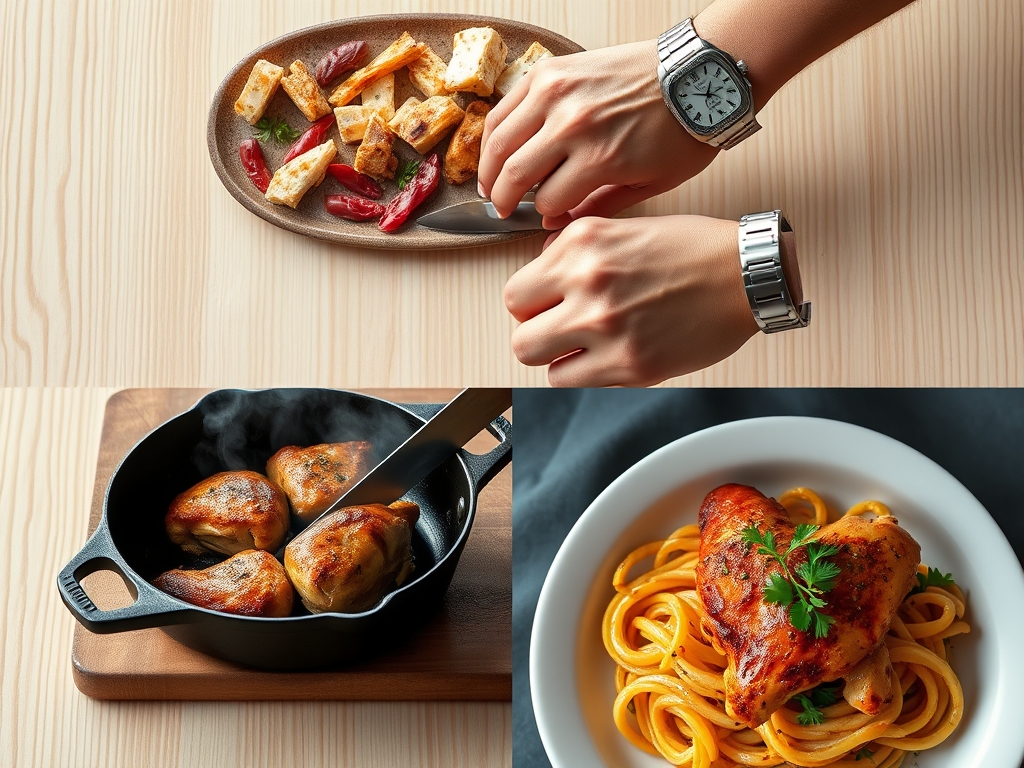
The Masterclass:
1. The Dry Brine Deep Dive
The most critical step in all bone in chicken recipes is the dry brine. Generously coat the skin with kosher salt at least 30 minutes before cooking. This draws moisture out of the skin via osmosis, then reabsorbs the seasoned liquid into the muscle fibers.
Pro Tip: This process breaks down the tight protein structures, a scientific phenomenon called denaturation, which ensures the meat stays tender even at high temperatures.
2. The Microplane Garlic Rub
Use your microplane to create a garlic slurry mixed with olive oil and coarse black pepper. Rub this underneath the skin rather than on top. This protects the delicate garlic from burning while allowing the oils to infuse directly into the meat.
Pro Tip: Garlic contains sulfur compounds that turn bitter when charred; placing them sub-dermally creates a protective steam chamber.
3. The Acidic Deglaze
Once your chicken is seared in a heavy-bottomed skillet, remove the meat and look at the brown bits (the fond) stuck to the bottom. Pour in half a cup of dry white wine or chicken stock. Use a bench scraper or wooden spoon to lift those bits.
Pro Tip: This is deglazing, which captures the concentrated sugars and proteins created during browning to form a complex, savory pan sauce.
4. The Honey-Sriracha Emulsification
Whisk together honey, sriracha, and a touch of cold butter in a saucier. Brush this on during the last five minutes of roasting. The sugar will caramelize rapidly, creating a sticky, glossy lacquer.
Pro Tip: The fat in the butter acts as an emulsifier, binding the water-based honey and vinegar-based hot sauce into a smooth, cohesive glaze.
5. The Citrus Zest Aeration
Never use just the juice; the essential oils in the zest hold the true aromatic power. Grate lemon or lime zest directly over the hot chicken the moment it leaves the oven.
Pro Tip: Heat causes the volatile oils in the zest to aerate, sending a burst of fragrance to the olfactory sensors before the first bite is even taken.
6. The Smoked Paprika Bloom
Heat a small amount of oil in a pan and toss in smoked paprika for 30 seconds before drizzling it over the chicken. This "blooms" the spice, unlocking fat-soluble flavor compounds that stay dormant in dry form.
Pro Tip: Many spices are hydrophobic, meaning their flavors only fully release when bonded with lipids (fats) rather than water.
7. The Miso-Butter Compound
Fold white miso paste into softened unsalted butter and tuck a dollop onto each piece of chicken during the resting phase. As the butter melts, the miso provides a deep, fermented funk.
Pro Tip: Miso is rich in glutamates, the molecules responsible for the "umami" sensation that makes food taste incredibly satisfying.
8. The Hard Herb Infusion
Throw sprigs of rosemary and thyme into the roasting pan during the final ten minutes. The rendered chicken fat will fry the herbs, making them crisp and infusing the fat with earthy notes.
Pro Tip: This is a form of lipid extraction, where the fat acts as a solvent to pull flavors out of the woody herb stems.
9. The Carryover Heat Finish
Remove the chicken from the heat when the internal temperature hits 160 degrees Fahrenheit, even though the target is 165. Tent it loosely with foil for 10 minutes.
Pro Tip: This utilizes thermal carryover, where the internal energy continues to cook the meat while the fibers relax, preventing the juices from rushing out when sliced.
The Deep Dive:
Macro Nutrition:
Bone in chicken recipes are naturally higher in healthy fats and minerals than their boneless counterparts. A standard 6-ounce serving of bone-in thigh provides approximately 30 grams of protein and 15 grams of fat. Because the bone remains intact, you also benefit from trace amounts of calcium and phosphorus that leach into the meat during the long cooking process.
Dietary Swaps:
- Keto: Replace any honey or sugar in glazes with a monk fruit sweetener or simply stick to herb-butter infusions.
- Vegan-Adjacent: If you are cooking for a mixed crowd, use the same "bloomed spice" and "citrus zest" techniques on roasted cauliflower steaks.
- Gluten-Free: Ensure your soy sauce is replaced with Tamari or coconut aminos to keep the umami profile without the wheat.
The Fix-It: Troubleshooting Common Pitfalls
- Soggy Skin: This usually happens because the pan was overcrowded. Use two pans to ensure at least two inches of space between each piece, allowing air to circulate.
- Burnt Garlic: If your aromatics turned black, you added them too early. Always add delicate aromatics like garlic or minced shallots during the last third of the cooking process.
- Dry Meat: If the meat is pulling away from the bone and feels "stringy," it is overcooked. Invest in a digital instant-read thermometer; it is the only way to guarantee precision.
Meal Prep & Reheating Science:
To maintain "day-one" quality, do not use the microwave. The microwave agitates water molecules, which can make the chicken rubbery. Instead, reheat in a 350-degree oven with a tablespoon of water in the pan, covered tightly with foil. This creates a steam-reheating environment that restores the gelatinous texture of the meat without drying out the exterior.
The Wrap-Up:
Mastering bone in chicken recipes is like learning the secret language of the kitchen. It is about respecting the anatomy of the bird and using basic physics to your advantage. By focusing on skin dehydration, proper seasoning, and the science of the rest, you transform a humble weeknight staple into a gourmet experience. Remember, the bone is your best friend; it provides the structure, the moisture, and the soul of the dish. Now, go forth, grab your tongs, and make something that smells so good the neighbors start knocking!
The Kitchen Table:
Why is my chicken skin always rubbery?
Rubbery skin is caused by trapped moisture. To fix this, pat the chicken bone-dry with paper towels and salt it 30 minutes before cooking. This ensures the fat renders properly and the skin dehydrates into a crispy crust.
Can I use these methods for frozen chicken?
Technically yes, but for the best results, thaw completely in the refrigerator. Cooking from frozen prevents the Maillard reaction (browning) because the surface stays wet as it thaws, resulting in grey, steamed meat instead of golden-brown perfection.
What is the best oil for roasting bone-in chicken?
Use oils with a high smoke point, such as avocado oil, grapeseed oil, or ghee. Avoid extra virgin olive oil for high-heat roasting (above 400°F), as it can smoke and develop a bitter, scorched flavor profile.
How do I know the chicken is safely cooked without a thermometer?
Pierce the thickest part of the meat with a skewer; the juices should run completely clear. If they are pink or cloudy, it needs more time. However, a digital thermometer is the only foolproof method for safety and juice retention.
Should I leave the skin on or off?
Always leave the skin on during the cooking process for bone-in recipes. The skin acts as a protective barrier, basting the meat in its own fats and preventing the protein from drying out under high heat.