
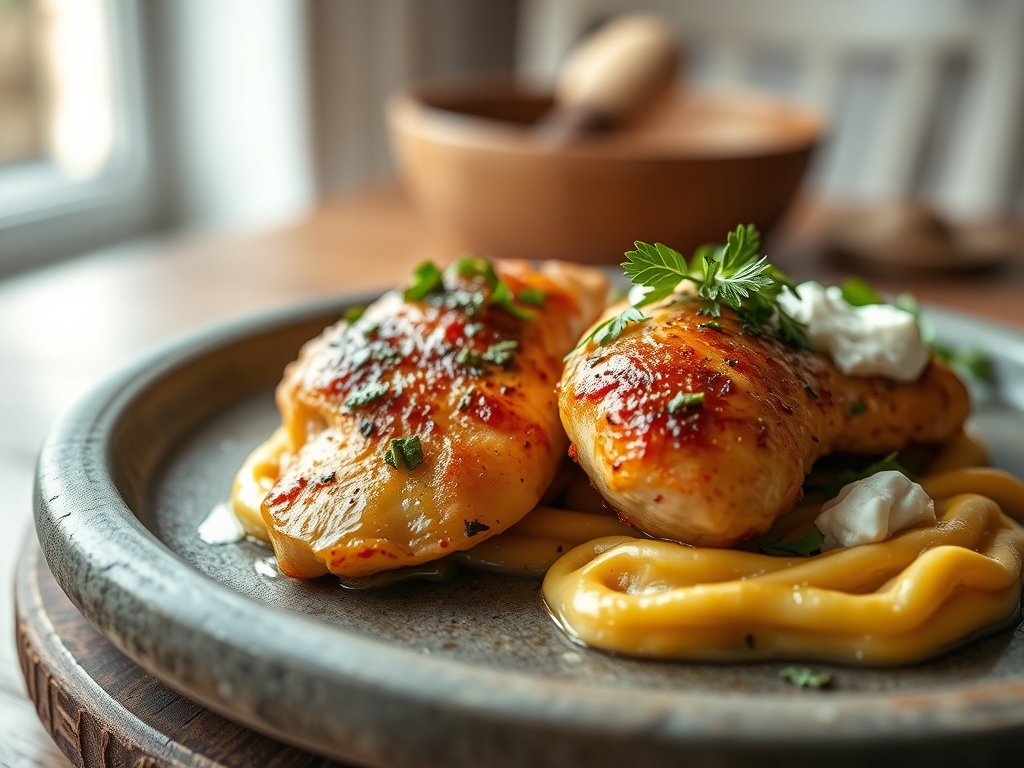
Picture the scene. You are pulling a heavy-bottomed skillet from the oven; the surface is a landscape of bubbling, golden-brown crust and succulent poultry. When you are hunting for the ultimate comfort food, chicken recipes with ricotta cheese offer a unique profile of creamy luxury and lean protein that standard mozzarella simply cannot match. It is the secret weapon of the professional kitchen.
Ricotta is not just a filler; it is a structural marvel. Unlike aged cheeses that break into oily pools under high heat, ricotta maintains its integrity due to its high moisture content and whey protein structure. This creates a thermal barrier that keeps the chicken breast hydrated even as the exterior undergoes the Maillard reaction. We are talking about a texture that is simultaneously airy and rich. Whether you are stuffing a breast with a piquant herb blend or dolloping it over a pan-seared cutlet, the result is a dish that feels like a warm hug from a Michelin-starred chef. Today, we are going beyond the basic lasagna and diving into six indulgent ways to master this duo.
The Gathers:
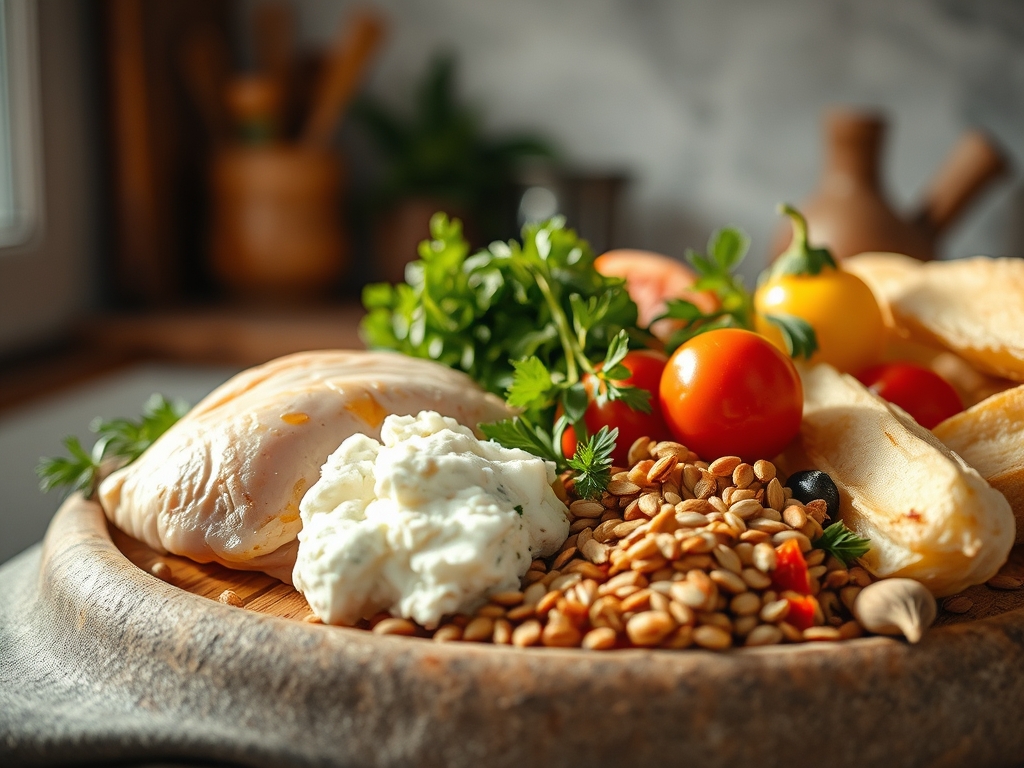
Before we ignite the burners, we must respect the mise-en-place. For these chicken recipes with ricotta cheese, your ingredient quality dictates the final viscosity of your sauce. Start with air-chilled chicken breasts; they have less water retention, which allows for better searing. For the ricotta, look for "whole milk" varieties. The fat molecules in whole milk ricotta act as an emulsifier, binding the pan juices into a velvety coating.
You will need a microplane for zesting citrus and grating hard cheeses like Pecorino Romano, which adds a salty punch to the mild ricotta. Fresh herbs are non-negotiable. Use a sharp chef knife to chiffonade basil and mince oregano. If you find your ricotta is too watery, place it in a fine-mesh sieve over a bowl for twenty minutes to drain the excess whey.
Smart Substitutions: If you cannot find high-quality ricotta, a whipped cottage cheese (processed in a high-speed blender) provides a similar protein profile with a slightly more acidic finish. For a dairy-free alternative, a cashew-based "ricotta" infused with nutritional yeast mimics the mouthfeel and provides that essential creamy texture without the lactose.
The Clock
Efficiency in the kitchen is about understanding "Chef's Flow." Most of these dishes require a total time of 40 to 50 minutes. You should allocate 15 minutes for prep; this includes slicing, zesting, and measuring. The cooking phase usually splits into a 10-minute sear and a 20-minute finish in the oven or simmering in a saucier.
To optimize your time, always preheat your skillet while you prep. A cold pan is the enemy of a good crust. By the time your chicken is seasoned, the pan should be whispering with a light haze of oil. This overlap ensures that you are never standing still, moving seamlessly from the cutting board to the stovetop.
The Masterclass
1. The Sear and Render
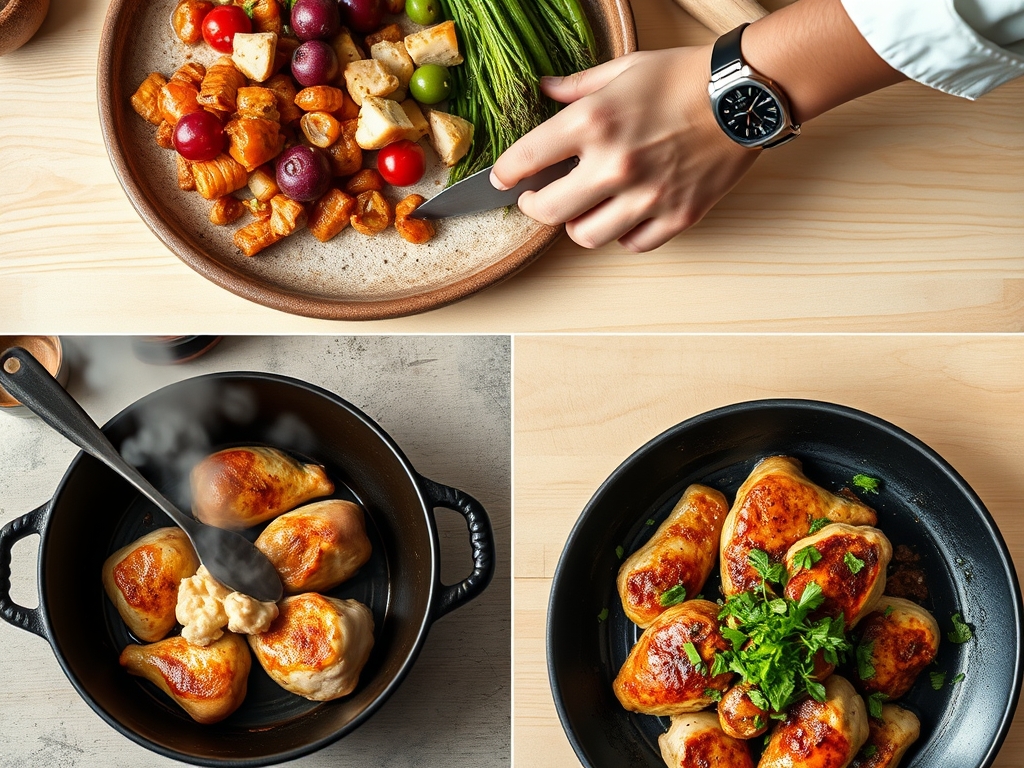
Place your seasoned chicken in a hot, heavy-bottomed skillet with a high-smoke-point oil. Do not crowd the pan; this drops the temperature and causes the meat to steam rather than sear. Use stainless steel tongs to flip the meat only once a deep brown crust has formed.
Pro Tip: This is the Maillard reaction in action. It is a chemical reaction between amino acids and reducing sugars that creates hundreds of different flavor compounds. If the meat sticks, the bond hasn't finished breaking; wait another thirty seconds for it to "self-release."
2. Deglazing the Fond
Once the chicken is partially cooked, remove it and look at the brown bits on the bottom of the pan. This is called the "fond." Pour in a splash of dry white wine or chicken stock and use a wooden spoon to scrape those bits into the liquid.
Pro Tip: Deglazing uses solvent extraction to pull concentrated flavors from the pan surface. These caramelized proteins are the foundation of a professional-grade sauce, providing depth that raw ingredients alone cannot achieve.
3. Aerating the Ricotta
In a separate bowl, use a whisk or a fork to vigorously beat your ricotta with an egg yolk, salt, and lemon zest. This incorporates air and prepares the cheese to be stuffed or topped without becoming dense and rubbery during the bake.
Pro Tip: Adding an egg yolk creates a protein matrix that helps the ricotta set. This prevents the cheese from weeping moisture into the chicken, which would otherwise result in a soggy texture.
4. The Stuffing Technique
If you are making stuffed breasts, use a sharp paring knife to create a pocket. Use a piping bag or a small spoon to fill the cavity with the aerated ricotta mixture. Secure the opening with a toothpick to ensure the filling stays put during the thermal expansion of cooking.
Pro Tip: Thermal expansion occurs as the moisture inside the cheese turns to steam. Without a secure seal or a "vent" in the meat, the filling will take the path of least resistance and leak out into the pan.
5. The Gentle Finish
Return the chicken to the pan or place it in a preheated oven at 375 degrees Fahrenheit. This indirect heat allows the internal temperature to rise slowly, ensuring the ricotta reaches a safe temperature without the chicken exterior becoming charred or dry.
Pro Tip: Use a digital thermometer to pull the chicken at 160 degrees. Thermal carryover will continue to cook the meat as it rests, bringing it to the FDA-recommended 165 degrees while keeping the fibers tender.
6. The Rest and Emulsify
Before serving, let the chicken rest for five minutes on a warm plate. Meanwhile, whisk a cold knob of butter into your pan sauce until it is glossy and thick. Pour this over the chicken and ricotta.
Pro Tip: Resting allows for reabsorption of juices. When meat cooks, the muscle fibers contract and push moisture to the center. Resting lets those fibers relax, redistributing the liquid so it doesn't run out the moment you cut into it.
The Deep Dive
From a nutritional standpoint, chicken recipes with ricotta cheese are a powerhouse. A standard serving provides approximately 35 grams of protein and 12 grams of fat. Ricotta is also a significant source of calcium and selenium. For those following a Keto lifestyle, this is a dream dish; simply omit any flour dredging and serve alongside roasted asparagus. Gluten-free diners can swap standard pasta for zucchini noodles or a bed of sautéed spinach.
The Fix-It:
- Grainy Sauce: This happens if the heat is too high. Remove the pan from the burner and whisk in a tablespoon of heavy cream to stabilize the emulsion.
- Bland Ricotta: Ricotta needs acid. If it tastes flat, add a squeeze of fresh lemon juice or a pinch of nutmeg to brighten the profile.
- Dry Chicken: If you overcooked the meat, slice it thinly and toss it directly into the pan sauce. The sauce will act as a lubricant, masking the dry texture.
Meal Prep: To reheat, avoid the microwave. The high-frequency waves toughen the chicken and can cause the ricotta to separate. Instead, place the leftovers in a covered dish with a tablespoon of water and heat in a 300-degree oven until warmed through. This preserves the "day-one" moisture levels.
The Wrap-Up
Mastering chicken recipes with ricotta cheese is about balancing textures and understanding the chemistry of your ingredients. You have the tools, the science, and the techniques to turn a simple weeknight meal into a culinary event. Don't be afraid to experiment with different herbs or a dash of red pepper flakes for a piquant kick. Now, grab your skillet and get cooking; your kitchen is about to smell incredible!
The Kitchen Table
Can I use fat-free ricotta for these recipes?
Avoid fat-free versions. The lack of lipids prevents proper emulsification, often resulting in a grainy, watery texture. Whole milk ricotta provides the necessary structure and "mouthfeel" required to complement the lean chicken breast effectively.
How do I prevent the ricotta from leaking out?
Ensure you don't overstuff the chicken. Leave a small margin at the edge of the pocket and use toothpicks to "sew" the opening shut. Chilling the ricotta mixture before stuffing also helps it maintain its shape during the initial sear.
What is the best way to store leftovers?
Place leftovers in an airtight glass container for up to three days. Glass is non-reactive and won't absorb odors. Ensure the chicken is completely cooled before sealing to prevent excess condensation, which leads to a soggy crust.
Can I freeze chicken and ricotta dishes?
Freezing is possible but may slightly alter the ricotta's texture upon thawing. If you must freeze, do so before baking. Thaw completely in the refrigerator for 24 hours before cooking to ensure the internal temperature reaches safety standards evenly.