
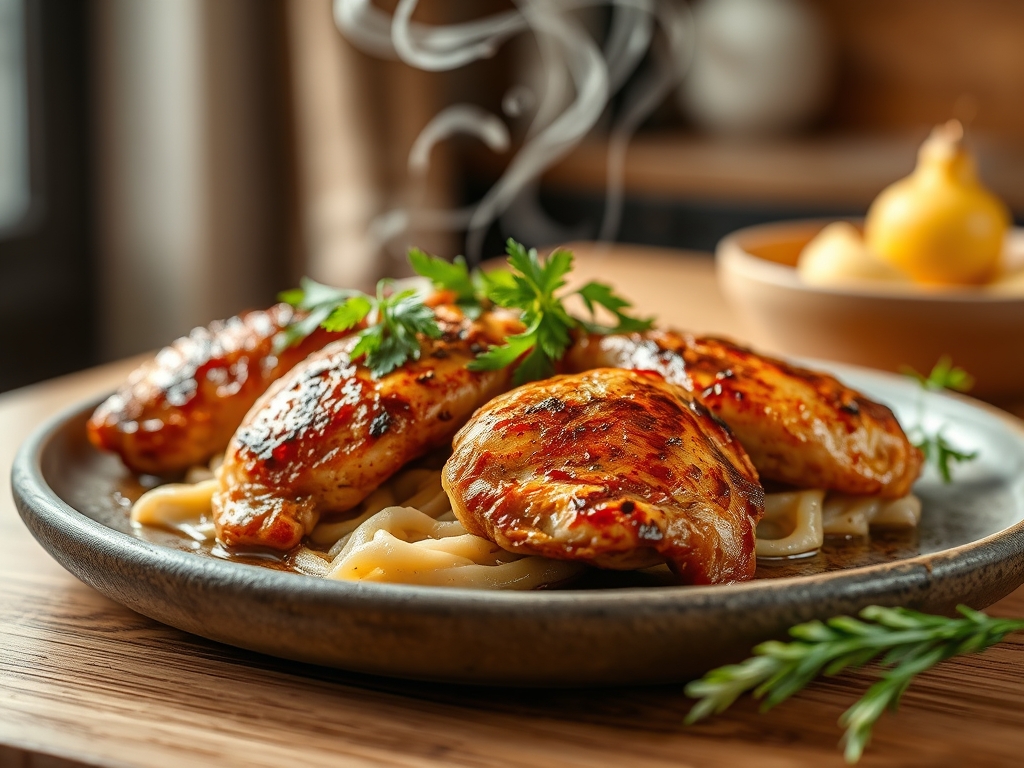
Picture this: a kitchen filled with the intoxicating aroma of charred lemon, toasted cumin, and fresh herbs, where the chicken is so succulent it practically melts. We have been told for years that fat equals flavor, but I am here to debunk that myth with seven non fat chicken recipes that rely on molecular science rather than butter.
The secret lies in understanding how to manipulate moisture and heat. When we strip away the oils, we must lean into the chemistry of aromatics and the power of high-quality proteins. We are not just eating for fuel; we are engineering a sensory experience that satisfies the palate without the heavy caloric load. These non fat chicken recipes utilize advanced techniques like dry-brining and steam-infusion to ensure every bite is a masterpiece of texture and taste. Let us get to work.
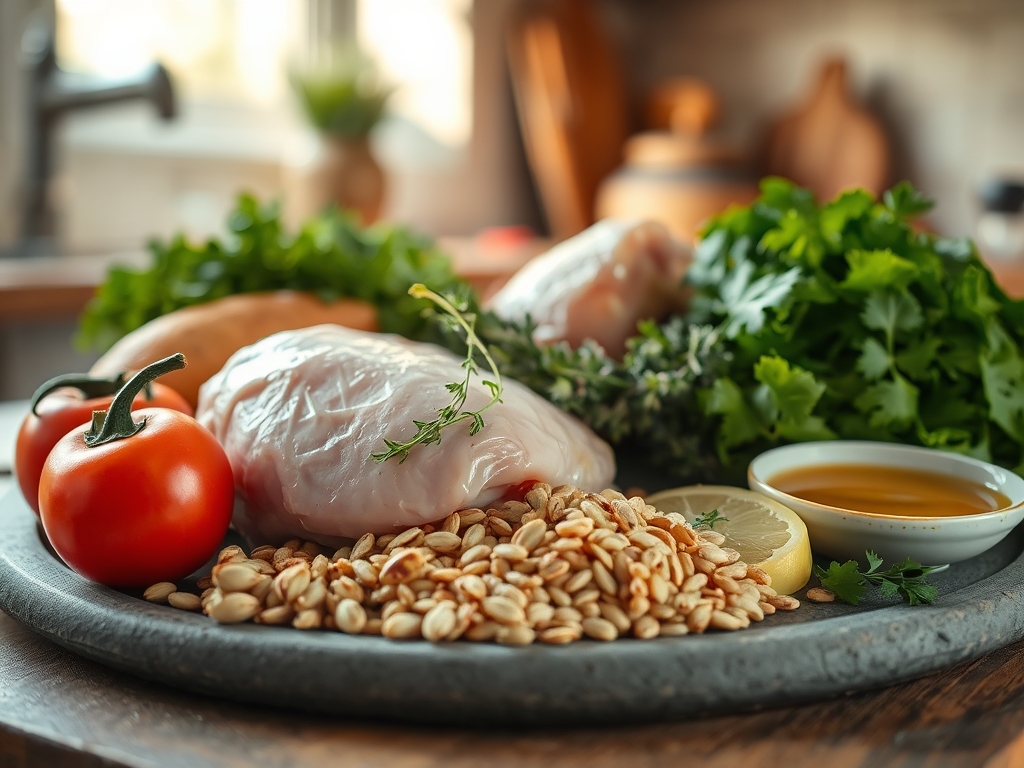
The Gathers:
To master these non fat chicken recipes, your mise-en-place must be precise. Start with lean, air-chilled chicken breasts or tenders. Air-chilled poultry is superior because it has not absorbed excess water during processing; this allows for better surface contact and a more effective Maillard reaction. You will need a microplane for zesting citrus, which releases volatile oils without the bitter pith.
Smart Substitutions are your best friend here. Instead of oil, use a high-quality vegetable stock or a splash of verjus to deglaze your heavy-bottomed skillet. If a recipe calls for creaminess, reach for non-fat Greek yogurt. The lactic acid in the yogurt acts as a natural tenderizer, breaking down tough protein fibers while providing a viscous mouthfeel that mimics traditional fats. Keep your digital scale handy to ensure protein portions are consistent, as uniform size leads to uniform thermal conductivity.
The Clock
Efficiency in the kitchen is about "Chef's Flow." This is the logical sequencing of tasks to minimize downtime. For these seven recipes, expect a total preparation time of 20 minutes and a collective cooking time of 30 to 40 minutes depending on your heat source.
Begin by prepping all aromatics with a sharp chef's knife or a bench scraper to clear your board quickly. While the chicken marinates or brines, you should be preparing your finishing garnishes. This "parallel processing" ensures that as soon as the chicken reaches its target internal temperature, you are ready to plate. Remember, the goal is to reduce the time the meat spends exposed to dry heat to prevent cellular moisture loss.
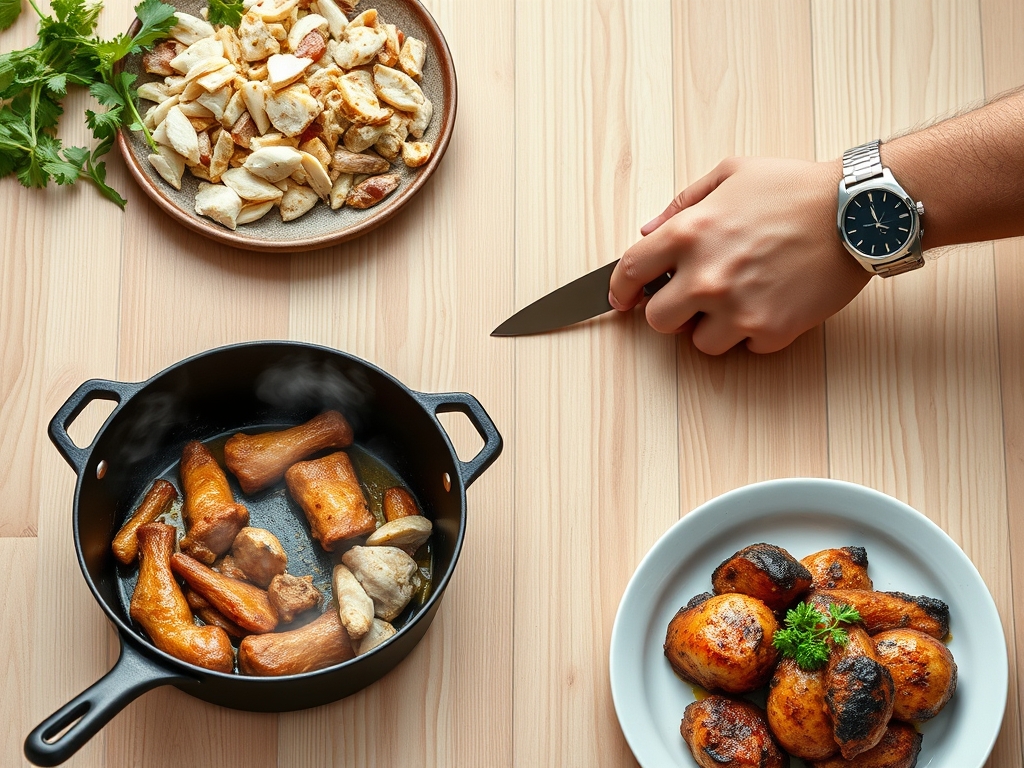
The Masterclass
1. The Dry Brine Protocol
First, pat the chicken completely dry with paper towels. Sprinkle a precise amount of kosher salt over the surface. This initiates osmosis, drawing moisture out and then reabsorbing the now-seasoned brine back into the muscle fibers.
Pro Tip: This is known as denaturation. The salt alters the protein structure so it can hold onto more water during the cooking process, preventing the "rubbery" texture often found in fat-free cooking.
2. The Saucier Reduction
Place your aromatics—think minced shallots and garlic—into a cold saucier. Add a splash of fortified stock. Bring it to a simmer, allowing the liquids to infuse with the botanical compounds of the herbs without using oil as a carrier.
Pro Tip: Using a cold start for aromatics allows the flavors to bleed into the liquid gradually. This is a technical move called cold-start infusion, which maximizes the piquant notes of the garlic.
3. Precision Searing
Heat your skillet until a drop of water dances on the surface. Place the chicken down and do not move it. Use tongs to check for a golden-brown crust. Since we are not using fat, you must rely on the natural sugars in the meat to caramelize.
Pro Tip: This is the Maillard reaction. It occurs at approximately 285 degrees Fahrenheit. If the meat sticks, it is not ready to flip; the proteins will naturally release once the crust has formed.
4. The Deglaze and Steam
Once flipped, add a quarter cup of acidic liquid like white balsamic or lemon juice. Cover the pan immediately. This creates a pressurized steam environment that finishes the interior of the chicken while the bottom continues to crisp.
Pro Tip: This technique utilizes latent heat. The steam transfers energy more efficiently than dry air, ensuring the center reaches 165 degrees Fahrenheit without the exterior becoming parched.
5. The Rest and Carryover
Remove the chicken from the heat when it hits 160 degrees. Place it on a warm plate and tent it loosely with foil. Let it rest for five full minutes before slicing with a serrated blade.
Pro Tip: This accounts for thermal carryover. The internal temperature will rise the final five degrees off the heat. Resting allows the internal juices to redistribute, ensuring they stay in the meat rather than on the cutting board.
The Deep Dive
Nutritionally, these non fat chicken recipes are powerhouses. Each serving typically yields 35 to 40 grams of protein with less than 2 grams of incidental fat. For those following specific diets, these are naturally Gluten-Free. If you are Keto, you may need to add a side of avocado, but for the fat-restricted athlete, this is gold. Vegan friends can swap the chicken for extra-firm tofu using the same "press and sear" method.
The Fix-It:
- The Chicken is Dry: You likely skipped the brine or overcooked it. Use a digital thermometer next time; 165 is the limit.
- No Flavor: You need more acid. A squeeze of fresh lime or a dash of apple cider vinegar at the end will "brighten" the dish.
- Sticking to the Pan: Your pan wasn't hot enough, or you tried to flip too early. Patience is a technical skill.
Meal Prep: To reheat without losing quality, avoid the microwave. Use a steamer basket for three minutes. This reintroduces moisture to the protein matrix, making it taste "day-one" fresh.
The Wrap-Up
Mastering non fat chicken recipes is about reclaiming control over your kitchen and your health. By using science to replace fat, you unlock a world of vibrant, clean flavors that never leave you feeling sluggish. Grab your tongs, fire up that skillet, and show those proteins who is boss. You have the tools, the tips, and the talent to make healthy eating the most delicious part of your day.
The Kitchen Table
How do I keep chicken moist without fat?
Use a dry brine of salt for thirty minutes before cooking. This changes the protein structure, allowing the cells to retain moisture during the heating process even without added oils or butter.
Can I use frozen chicken for these recipes?
Yes, but you must thaw it completely in the refrigerator first. Pat the surface dry with a towel to ensure the Maillard reaction can occur; excess surface moisture causes the meat to steam rather than sear.
What is the best pan for non fat cooking?
A high-quality ceramic non-stick or a well-seasoned cast iron skillet works best. These materials provide even heat distribution, which is essential for browning meat without the lubrication of added fats or oils.
How do I add "creaminess" without fat?
Whisk in a tablespoon of non-fat Greek yogurt or a puree of white beans after the heat is turned off. This adds a viscous, rich texture and additional protein without introducing any lipids to the dish.