
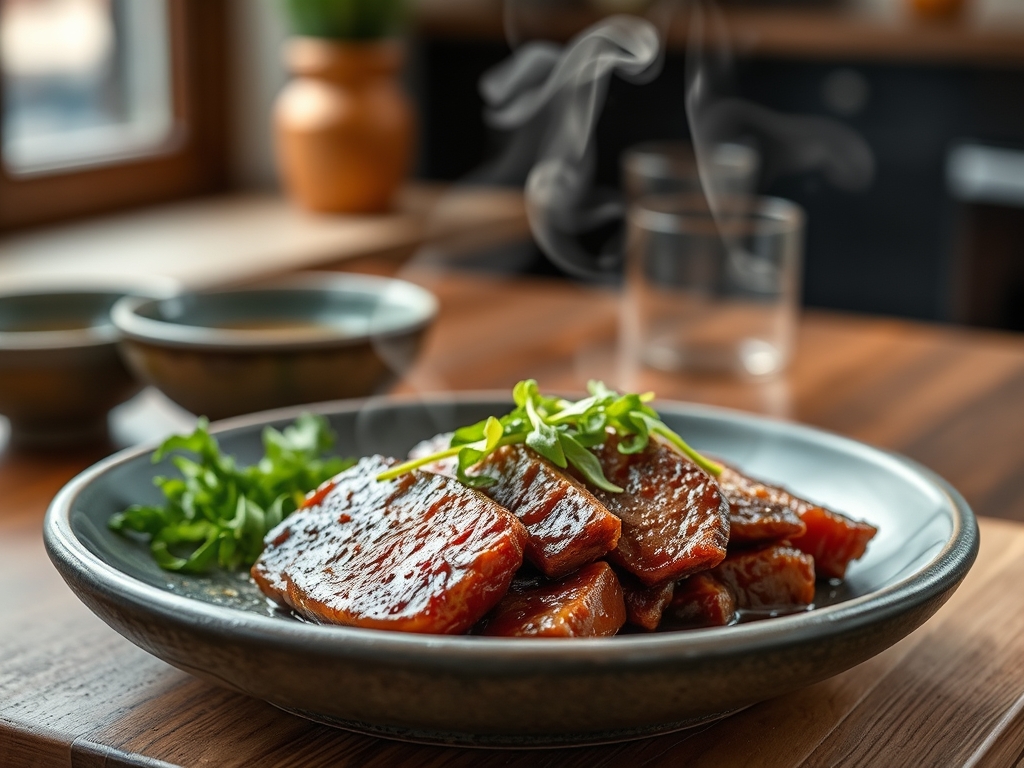
Imagine the soft hiss of a butane burner and the rising steam that smells faintly of sea salt and cedar. You are sitting across from your favorite person; the table is a landscape of marbled protein and vibrant greens. This is not just dinner; it is a ritual of precision. Finding the perfect shabu shabu beef recipes is about more than just boiling water; it is about mastering the art of the quick blanch to achieve a texture that feels like silk on the tongue. We are diving into the molecular magic of Japanese hot pot.
Traditional shabu shabu relies on the "swish-swish" motion, which is actually a calculated thermal exchange. When you plunge paper-thin ribeye into a simmering dashi, you are initiating a rapid protein denaturation that happens in seconds. If you go too long, the collagen tightens into rubber; if you go too short, the fat does not reach its melting point. Today, I am going to show you how to balance that heat, acidity, and umami to turn your kitchen into a high-end Tokyo eatery. We will explore how to select the right cuts, create a viscous dipping sauce, and time every element so that nothing overcooks while you are busy chatting.
The Gathers:
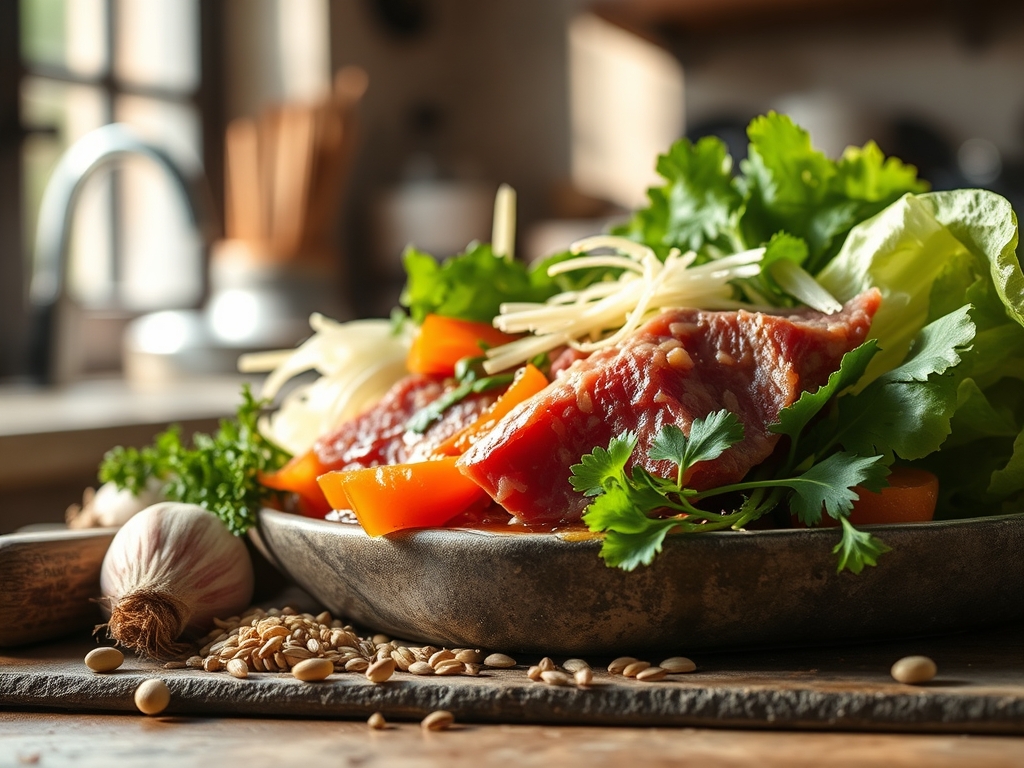
To begin your journey into shabu shabu beef recipes, your mise-en-place must be flawless. You will need 1.5 pounds of highly marbled beef, preferably A5 Wagyu or Prime Ribeye, sliced to a thickness of 1.5 millimeters. Use a digital scale to ensure your portions are consistent. For the broth, gather dried kombu (kelp) and a liter of filtered water. The aromatics require a microplane to zest fresh ginger and garlic into a fine paste for the sauces.
Your vegetable tray should include napa cabbage, shiitake mushrooms, negi (Japanese leek), and firm tofu. To create the iconic dipping sauces, you need toasted sesame seeds, soy sauce, mirin, and rice vinegar. Smart Substitutions: If you cannot find kombu, a light chicken bone broth provides the necessary amino acids. If you are avoiding soy, coconut aminos offer a similar piquant profile without the gluten. Ensure your tongs are long enough to reach the center of the pot without exposing your hands to excessive steam.
The Clock
The "Chef's Flow" for shabu shabu is front-loaded. You will spend 40 minutes on preparation and only 15 to 20 minutes on the actual cooking process. The beef should remain in the refrigerator until the very last second to maintain its structural integrity; cold fat is easier to handle and prevents the meat from tearing.
Allow the kombu to infuse in room temperature water for at least 30 minutes before applying heat. Once the burner is lit, the pace quickens. You will simmer the vegetables for 3 to 5 minutes to create a base flavor, but the beef requires only 10 to 15 seconds per slice. This staggered timing ensures that the delicate greens do not turn to mush while the meat reaches its peak flavor.
The Masterclass
1. Preparing the Dashi Base
Place your kombu in a saucier or a traditional donabe pot with cold water. Slowly bring the temperature up to just below a boil.
Pro Tip: Do not let the water boil with the kombu inside. High temperatures cause the kelp to release bitter tannins and mucilaginous compounds, ruining the clarity of your broth. This is a lesson in infusion over extraction.
2. Slicing the Protein
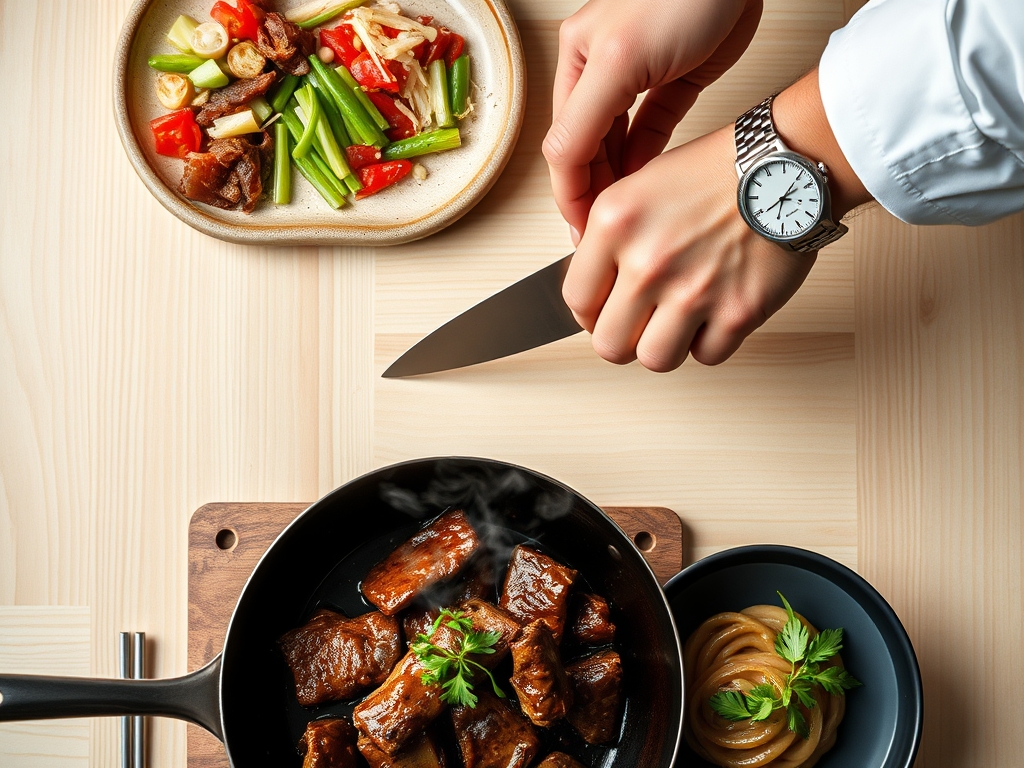
If you are not buying pre-sliced meat, freeze your beef for 45 minutes until it is firm but not solid. Use a very sharp chef's knife or a meat slicer to achieve translucent ribbons.
Pro Tip: Slicing against the grain breaks up tough muscle fibers. This increases the surface area for the broth to penetrate, ensuring a faster cook time and a more tender mouthfeel.
3. Emulsifying the Goma-dare
Using a mortar and pestle or a high-speed blender, crush toasted sesame seeds until they release their oils. Whisk in soy sauce, dashi, and a touch of sugar.
Pro Tip: This is a classic emulsification. The fats in the sesame seeds bind with the water-based soy sauce to create a viscous coating that clings to the beef, providing a rich contrast to the light broth.
4. The Vegetable Foundation
Add the harder vegetables like carrots and the white stalks of napa cabbage first. These require more time to break down their cellulose walls.
Pro Tip: This step utilizes thermal carryover. The vegetables continue to cook even after you turn the heat down, acting as a heat reservoir that keeps the broth temperature stable when you add the cold beef.
5. The Swish Technique
Pick up a single slice of beef with your tongs. Submerge it in the simmering broth and move it back and forth gently.
Pro Tip: The agitation of the "swish" promotes even heat distribution. Because the meat is so thin, the myoglobin changes color almost instantly; pull the meat out while it is still slightly pink to avoid over-denaturing the proteins.
6. Managing the Scum
As you cook the beef, a grey foam will rise to the surface. Use a fine-mesh skimmer to remove this regularly.
Pro Tip: This foam consists of denatured proteins and impurities. If left in the pot, it will cloud the broth and create an "off" metallic taste, disrupting the clean umami profile of the dish.
7. The Noodle Finale
Once the meat and vegetables are finished, add udon or ramen noodles to the remaining concentrated broth.
Pro Tip: The broth is now a "liquid gold" of rendered beef fat and vegetable essence. The starch from the noodles will slightly thicken the liquid, creating a satisfying end to the meal.
8. Aerating the Ponzu
When serving your citrus-based ponzu sauce, give it a vigorous whisk right before dipping.
Pro Tip: To aerate the sauce introduces tiny air bubbles that carry the volatile aromatic compounds of the citrus directly to your olfactory receptors, enhancing the perceived freshness of the beef.
The Deep Dive
From a macro perspective, shabu shabu is a nutritional powerhouse. A standard serving provides roughly 35 grams of protein and is naturally low in carbohydrates, provided you go easy on the noodles. For a Keto version, swap the noodles for shirataki (konjac) noodles. Vegan diners can replace the beef with thick slices of king oyster mushrooms, which offer a similar meaty texture when blanched.
The Fix-It:
- Tough Beef: You likely boiled the meat. Reduce the heat to a simmer; bubbles should be small and lazy.
- Bland Broth: You may have discarded the kombu too early. Add a splash of light soy sauce or a pinch of sea salt to enhance the natural glutamates.
- Soggy Vegetables: You added everything at once. Use a bench scraper to organize your veggies by "cook time" groups and add them in stages.
Meal Prep Science: If you have leftovers, store the broth and solids separately. Reheating beef in liquid causes it to toughen. Instead, bring the broth to a boil first, turn off the heat, and then drop the cold beef in for five seconds to "re-awaken" the fats without overcooking the core.
The Wrap-Up
Mastering shabu shabu beef recipes is your gateway to a sophisticated, interactive dining experience that values quality over quantity. By understanding the chemistry of the "swish" and the importance of a clean dashi, you transform a simple meal into a masterclass of Japanese flavor. Grab your tongs, prep your mise-en-place, and let the steam carry your worries away. You have got the science; now go enjoy the art!
The Kitchen Table
What is the best cut of meat for shabu shabu?
High-quality ribeye or top sirloin with significant marbling is ideal. The fat renders instantly in the hot broth, providing a buttery texture and rich flavor that leaner cuts like flank steak cannot replicate.
Can I make shabu shabu without a traditional pot?
Yes. Any wide, shallow heavy-bottomed skillet or a stainless steel electric skillet works perfectly. The key is maintaining a consistent, low simmer across a large surface area so multiple people can cook simultaneously.
Why is my dipping sauce separating?
This usually happens if the sesame paste is not fully emulsified. Whisk the sauce vigorously while slowly drizzling in the liquid components. A tiny pinch of xanthan gum can also help stabilize the mixture if needed.
How do I keep the broth clear?
Always remove the kombu before the water boils and diligently skim the foam (scum) that rises when cooking the beef. This prevents impurities from emulsifying into the liquid, keeping the flavor profile sharp and clean.