
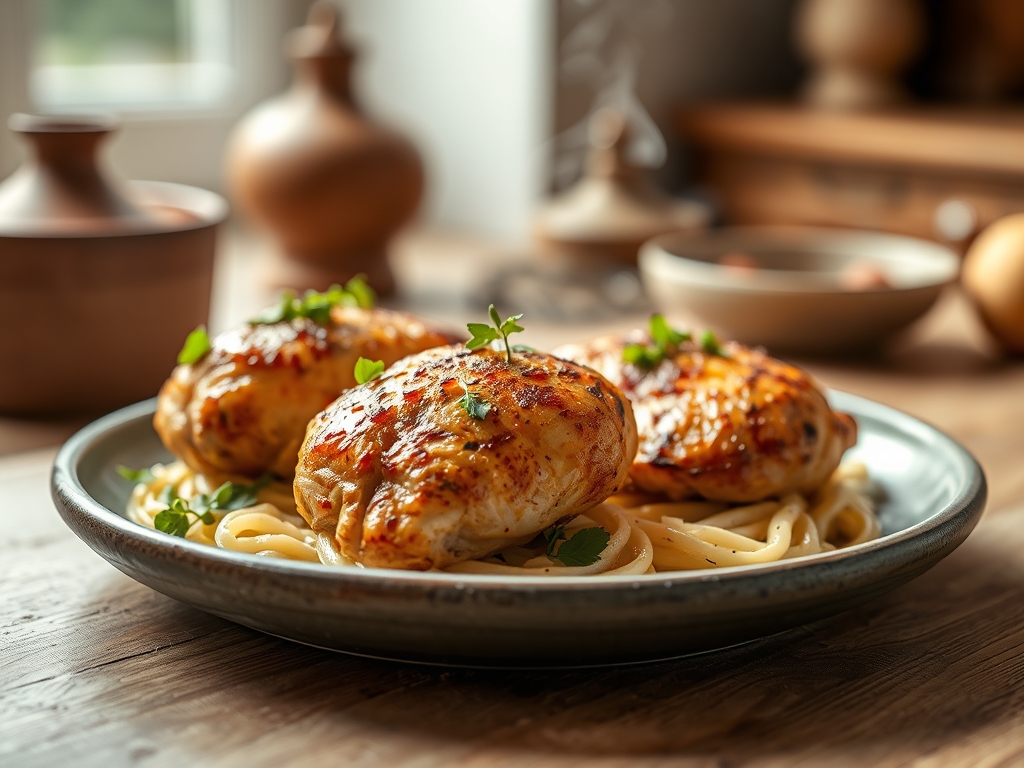
The sound of cold skin hitting a hot, buttered skillet is the specific frequency of a successful Sunday night dinner. If you have ever felt the frustration of a dry, colorless breast or a rubbery wing, you are likely missing the structural foundations found in the most iconic ina garten baked chicken recipes. It is not just about the bird; it is about the chemistry of radiant heat and the deliberate slow-rendering of subcutaneous fat. We are looking for that specific shatter-crisp exterior and a core temperature that remains at the peak of cellular hydration. When you mastered these techniques, the kitchen fills with the scent of toasted thyme and caramelized onions, creating an atmosphere that feels both effortless and scientifically precise. We are going to transform a humble poultry protein into a masterclass of texture and salt-fat balance.
The Gathers: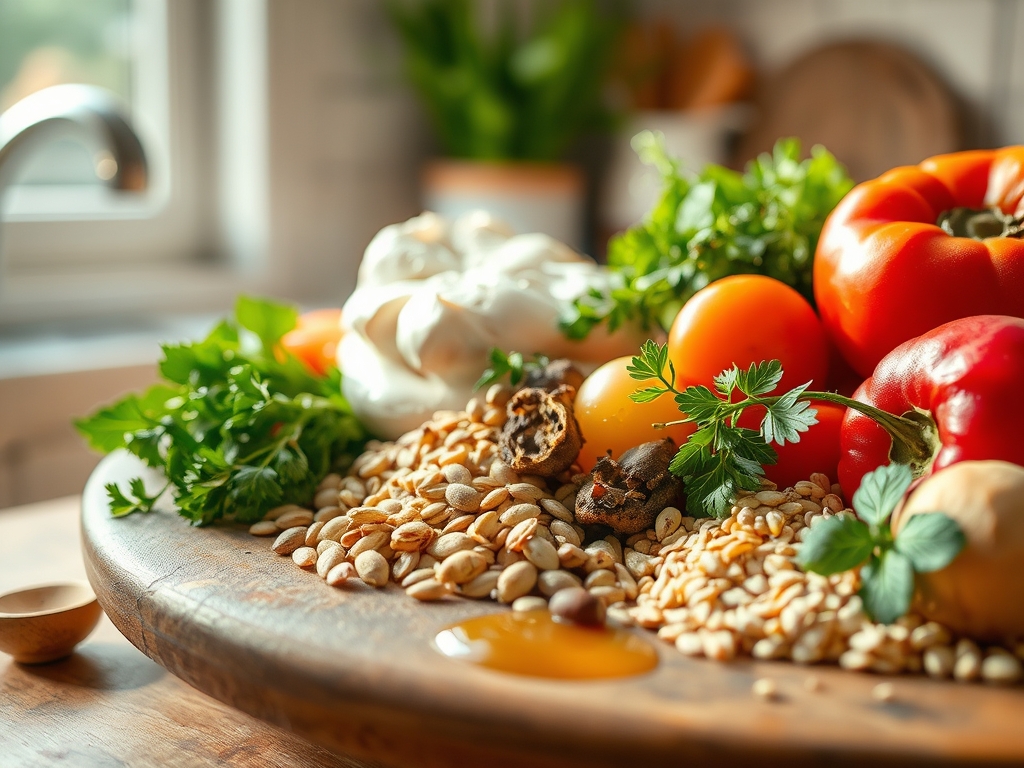
Our mise-en-place focuses on the quality of ingredients, where the viscosity of the fats and the aromatic compounds of the herbs define the final profile. You will need one 4 to 5 pound roasting chicken, which offers the ideal surface-area-to-volume ratio for even heat distribution. Gather 2 tablespoons of high-quality unsalted butter to provide milk solids for browning; 1 tablespoon of extra virgin olive oil for its higher smoke point; one large yellow onion for natural sugars; and a full head of garlic to provide sulfurous depth.
Smart Substitutions:
- For the butter: Use Ghee if you want a higher smoke point (up to 485 degrees F) while retaining the nutty flavor profiles.
- For the thyme: Fresh rosemary provides a woodier, more resinous aroma that survives long roasting cycles better than delicate parsley.
- For the lemon: A splash of verjus or dry white wine can offer the necessary acidity to cut through the heavy lipids if citrus is unavailable.
The Clock
Efficiency in the kitchen is about managing the thermal transition of the ingredients. Expect about 20 minutes of active preparation time, followed by 60 to 90 minutes of quiet roasting time. The total investment is roughly 2 hours from fridge to table.
The "Chef's Flow" is the secret to a stress-free outcome. While the chicken sits on the counter to lose its refrigerator chill, we are going to slice the aromatics and preheat the oven. While the bird roasts and the fats begin to render, we use that window to prepare a simple vinaigrette or a crisp salad. This ensures that the components of the meal converge at the exact moment the meat finishes its essential resting period.
The Masterclass
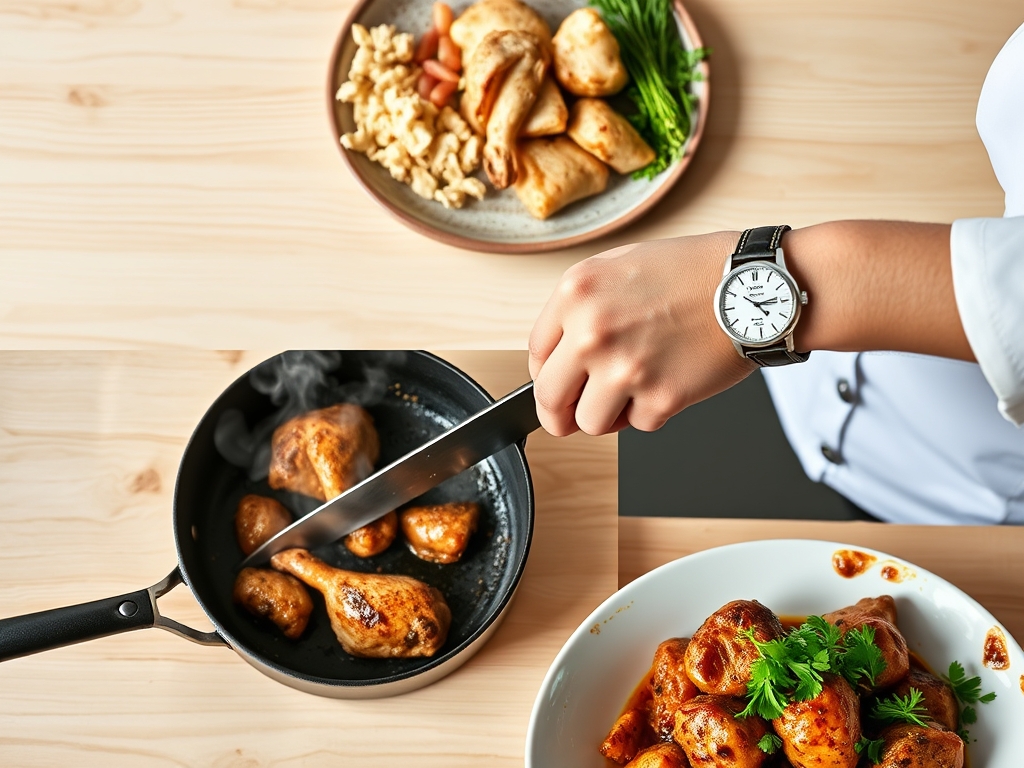
Step 1: Atmospheric Preparation and Surface Moisture
Preheat your oven to 425 degrees F (218 degrees C). Use paper towels to pat the chicken completely dry. Any residual moisture on the skin will lead to steam production rather than the desired Maillard reaction.
Pro Tip: This is about thermodynamics. Water requires a massive amount of energy to evaporate (latent heat of vaporization). By removing surface water, the oven’s heat can immediately begin breaking down proteins and sugars into the brown, flavorful compounds that define the best ina garten baked chicken recipes.
Step 2: The Aromatic Internal Cavity
Season the internal cavity generously with Kosher salt and freshly cracked black pepper. Stuff the bird with a halved lemon, the head of garlic, and a bundle of fresh herbs. This creates a pressurized "steam chamber" inside the bird that infuses the meat from the inside out.
Pro Tip: This internal moisture prevents the breast meat from drying out while the dark meat reaches its higher safe temperature. The essential oils in the herbs are fat-soluble and will permeate the muscle fibers as the fat renders.
Step 3: Lipid Application and Trussing
Slather the exterior with softened butter and oil. Tie the legs together with kitchen twine and tuck the wings under the body. This creates a compact, uniform shape that prevents the extremities from burning before the core is cooked.
Pro Tip: Trussing is not just for aesthetics. It reduces the surface area of the chicken, which slows down the cooking process just enough to allow the heat to penetrate the thickest part of the thigh without overcooking the lean breast tissue.
Step 4: The Elevated Roast
Place the chicken in a heavy cast-iron skillet or a roasting pan. Surround it with thick slices of onion and lemon. Roast for approximately 60 to 75 minutes, or until the juices run clear.
Pro Tip: Use an instant-read thermometer to check the thickest part of the thigh. You are looking for 165 degrees F (74 degrees C). However, the science of thermal carryover means you should pull the bird at 160 degrees F, as the internal temperature will continue to rise while it rests.
Step 5: The Deglaze and Resting Period
Remove the chicken to a carving board and let it rest for a minimum of 20 minutes. While it rests, place the roasting pan over a medium flame and add a splash of chicken stock or wine to scrape up the fond (the caramelized bits on the bottom).
Pro Tip: Resting allows the muscle fibers, which contracted during roasting, to relax and reabsorb the internal juices. If you cut the bird too early, the hydrolyzed collagen and moisture will leak onto the board, leaving the meat parched.
Step 6: Carving and Presentation
Carve the chicken into eight pieces (two breasts, two wings, two thighs, and two drumsticks). Pour the deglazed pan juices over the meat just before serving to add a final layer of umami and salt.
Pro Tip: Ensure you cut against the grain of the meat. This shortens the protein fibers, making every bite feel more tender on the palate.
The Deep Dive
Nutritional Info
A standard 6-ounce serving of this roasted chicken provides approximately 35 grams of high-quality protein and 18 grams of fat (primarily monounsaturated and saturated fats from the skin and butter). It is a low-glycemic meal, containing less than 2 grams of carbohydrates, mostly derived from the caramelized onions and garlic.
Dietary Swaps
- Keto/Paleo: This recipe is naturally compliant. Focus on high-quality grass-fed butter to optimize the Omega-3 to Omega-6 fatty acid ratio.
- Dairy-Free: Replace the butter with an equal amount of duck fat or avocado oil. This will still provide the necessary lipids for browning without the lactose.
- Low Sodium: Use toasted sesame oil and extra aromatics like ginger or star anise to provide "perceived saltiness" without the actual sodium chloride.
The Fix-It
- Problem: Pale Skin. Your oven might be running cold. Fix: Use the broiler for the last 3 minutes of cooking, but watch it like a hawk to avoid burning the delicate skin.
- Problem: Soggy Bottom. The chicken sat in too much liquid. Fix: Elevation is key. Use a roasting rack or create a "rack" out of thick-cut carrots and celery to keep the bird out of the drippings.
- Problem: Tough Meat. This usually indicates a lack of resting time. Fix: If you already cut it and it is dry, whisk a little butter into your pan juices and toss the meat in it to artificiality restore moisture.
The Meal Prep Corner
To maintain "day-one" quality, store leftover chicken in an airtight glass container to prevent oxidation of the fats. When reheating, avoid the microwave; it agitates water molecules and makes the protein rubbery. Instead, place the chicken in a 300 degree F oven with a tablespoon of water or stock, covered in foil, until just warmed through.
The Wrap-Up
Mastering the art of poultry is a rite of passage for every home cook. By focusing on surface moisture, internal aromatics, and the patience of the rest period, you can replicate the legendary results of the most famous ina garten baked chicken recipes right in your own kitchen. There is nothing more satisfying than the sound of that first slice through perfectly crisped skin. Now, get your cast iron ready and tag me in your kitchen wins!
The Kitchen Table
Why is my roasted chicken always dry?
Dryness is typically a result of overcooking or failing to rest the meat. By pulling the chicken at 160 degrees F and letting it rest for 20 minutes, you allow carryover cooking to finish the job while keeping the juices inside the muscle fibers.
Should I wash my chicken before baking?
No. Scientifically, washing chicken does not remove bacteria but instead spreads pathogens across your sink and countertops via aerosolized water droplets. The high heat of a 425 degree F oven is what makes the food safe to eat.
Do I really need to use a cast-iron skillet?
While not mandatory, a cast-iron skillet provides superior thermal mass, meaning it holds heat better than thin aluminum pans. This leads to a more consistent roast and better caramelization of the onions and pan juices.
Can I use frozen chicken for this recipe?
You must fully thaw the chicken in the refrigerator for 24 to 48 hours before roasting. Attempting to roast a bird with a frozen core will lead to an uneven cook where the outside is charred and the inside remains dangerously undercooked.